
 English
 English
 عربى
عربى 한국어
한국어
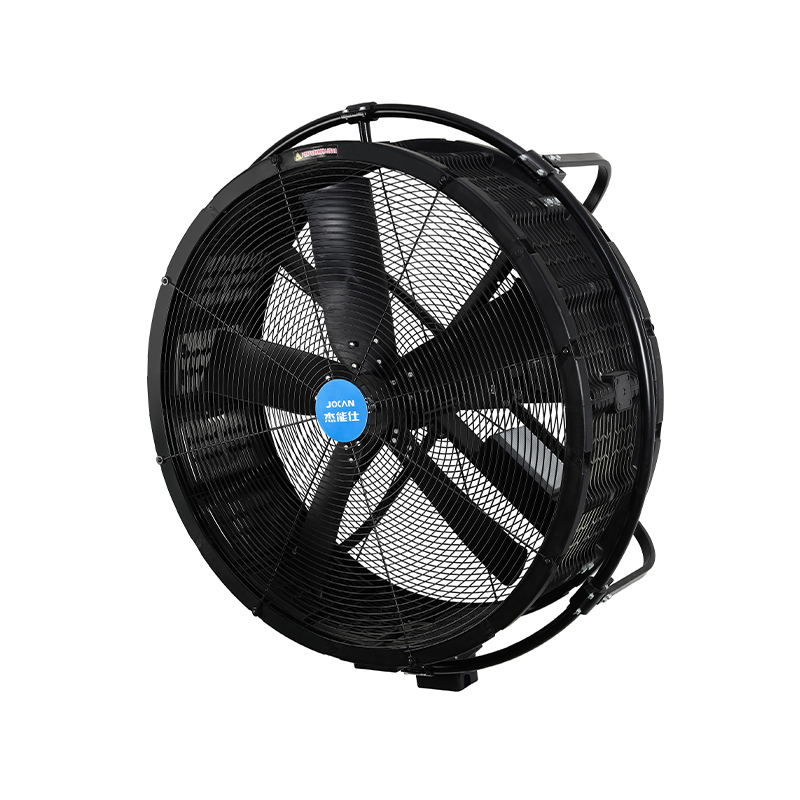
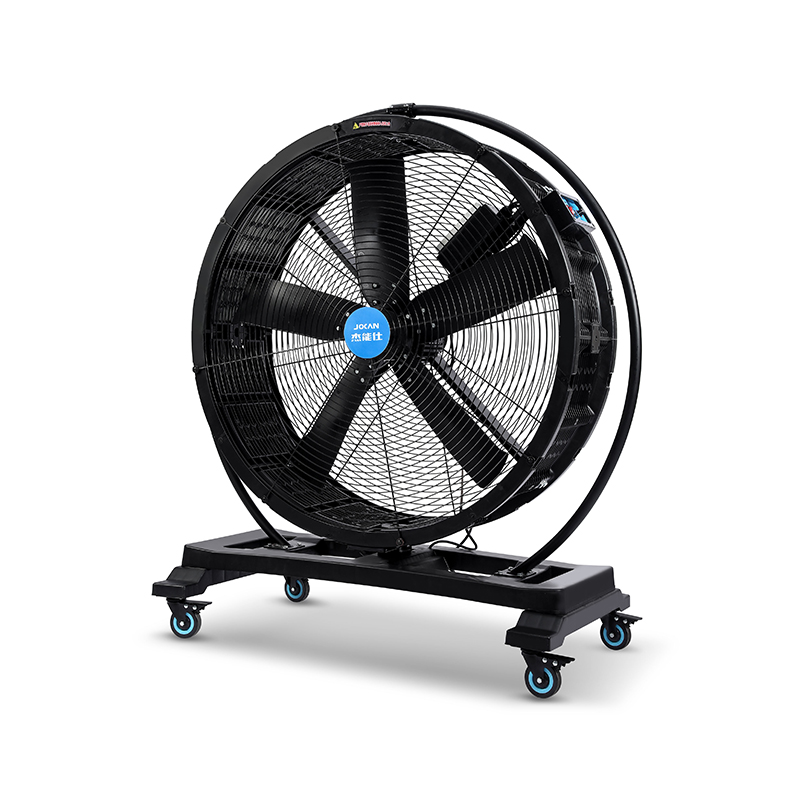
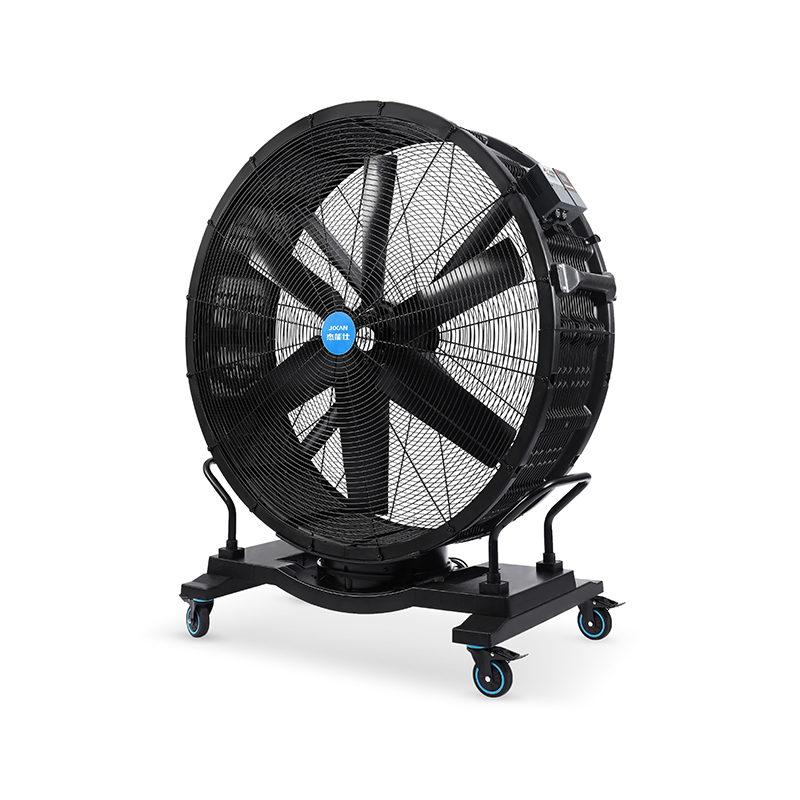
Industrial Wall Mounted Oscillating Fan
The Industrial Wall Mounted Oscillating Fan is a versatile and efficient cooling...
 Add: Plot 23, Huanglang Industrial Zone, Jinqing Town, Luqiao District, Taizhou City, Zhejiang Province
 TEL: +86-13586083215
As warehouses, manufacturing plants, logistics centers, and sports facilities continue expanding, maintaining a comfortable and productive indoor environment has become a major operational challenge. More facility managers are discovering that improving air circulation can be just as important as increasing cooling capacity. As an Industrial Ceiling Fans Factory, we have seen growing interest from global buyers searching for HVLS industrial ceiling fans, warehouse air circulation solutions, energy-efficient industrial ventilation, and large-diameter ceiling fans for factories. Instead of asking only about fan size or motor power, procurement teams now want practical solutions that improve airflow distribution, reduce temperature stratification, and support more comfortable working conditions across large indoor spaces.

Recent discussions among warehouse operators and manufacturing professionals increasingly focus on workplace comfort, energy management, and sustainable facility operation. In large buildings with high ceilings, warm air naturally accumulates near the roof while cooler air remains at floor level, creating uneven temperatures throughout the workspace.
Rather than relying solely on additional cooling equipment, many facilities are investing in air movement strategies that improve overall airflow. Better circulation can help create a more consistent indoor environment and improve comfort for employees working across different areas of the building.
This trend has made large industrial ceiling fans and warehouse ventilation solutions popular search topics among engineers and facility managers.
High-volume, low-speed (HVLS) ceiling fans are designed to move a large column of air at relatively low rotational speeds. Instead of producing concentrated airflow in one location, they create wide-area air movement that reaches a larger portion of the facility.
For industrial applications, buyers commonly evaluate:
Selecting the appropriate fan configuration depends on ceiling height, equipment placement, and daily operational requirements.
With energy costs remaining an important consideration for industrial operators, buyers are looking for ventilation systems that contribute to efficient facility management. While ceiling fans do not replace HVAC systems, they can complement existing ventilation strategies by improving air circulation throughout large indoor spaces.
Procurement teams frequently ask questions such as:
These practical considerations often determine purchasing decisions more than motor specifications alone.
Every facility has unique structural characteristics. Warehouses, production plants, exhibition halls, agricultural buildings, and distribution centers all require different installation approaches.
As a manufacturer, we support various application requirements through flexible engineering solutions, including:
Early communication with project teams helps ensure that the selected fan system matches the actual building environment.
Industrial ventilation equipment is often expected to operate for extended periods every day. For this reason, buyers pay close attention to manufacturing quality, structural stability, and maintenance accessibility.
During production, we focus on:
Careful quality control helps ensure consistent product performance across every production batch.
Today's industrial buyers increasingly prefer suppliers that provide engineering support rather than simply shipping standard products. Technical consultation, OEM customization, installation guidance, and after-sales communication all contribute to a smoother project implementation process.
As a manufacturer, we work closely with distributors, contractors, and facility owners from the planning stage through production and delivery. This collaborative approach helps customers select ventilation solutions that fit both current operational needs and future facility expansion plans.
As industrial buildings continue to prioritize workplace comfort, energy-conscious operation, and smarter facility management, choosing an experienced Industrial Ceiling Fans Factory offers more than dependable equipment—it provides engineering expertise, flexible manufacturing capabilities, and reliable long-term support for modern ventilation projects worldwide.


 Add: Plot 23, Huanglang Industrial Zone, Jinqing Town, Luqiao District, Taizhou City, Zhejiang Province
 Email: 39489814@qq.com
 Phone: +86-13586083215
Guided by our vision to "become the benchmark industrial fan creator and manufacturer," we have consistently innovated and advanced to establish our current industry leadership position.
Copyright © Taizhou Jiucang Electromechanical Co., Ltd.
All Rights Reserved.

China Large Silent Fans
