
 English
 English
 عربى
عربى 한국어
한국어
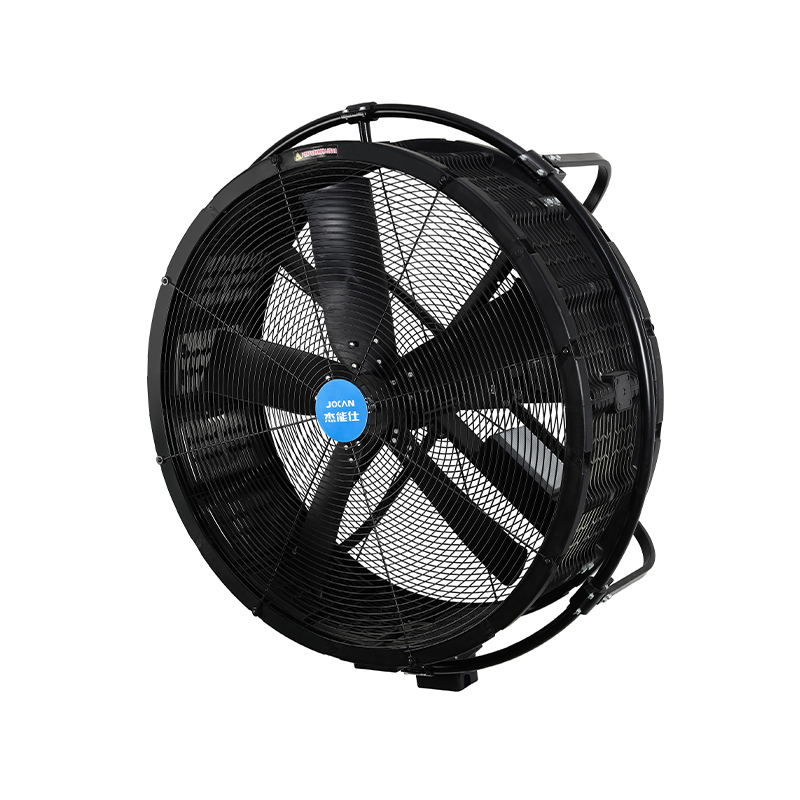
Industrial Wall Mounted Oscillating Fan
The Industrial Wall Mounted Oscillating Fan is a versatile and efficient cooling...
 Add: Plot 23, Huanglang Industrial Zone, Jinqing Town, Luqiao District, Taizhou City, Zhejiang Province
 TEL: +86-13586083215
Large industrial spaces face unique challenges when it comes to ventilation and temperature management. Warehouses, factories, logistics centers, and commercial facilities often have high ceilings, wide floor areas, and complex layouts that make traditional air circulation methods less effective. As a result, more companies are searching for solutions such as industrial warehouse ceiling fans, large space ventilation systems, HVLS fan supplier, and factory air circulation equipment. As a professional Industrial Ceiling Fans Factory, we understand that choosing the right fan is not simply about selecting the largest model available. The correct solution depends on building structure, airflow requirements, operating conditions, and long-term maintenance considerations.
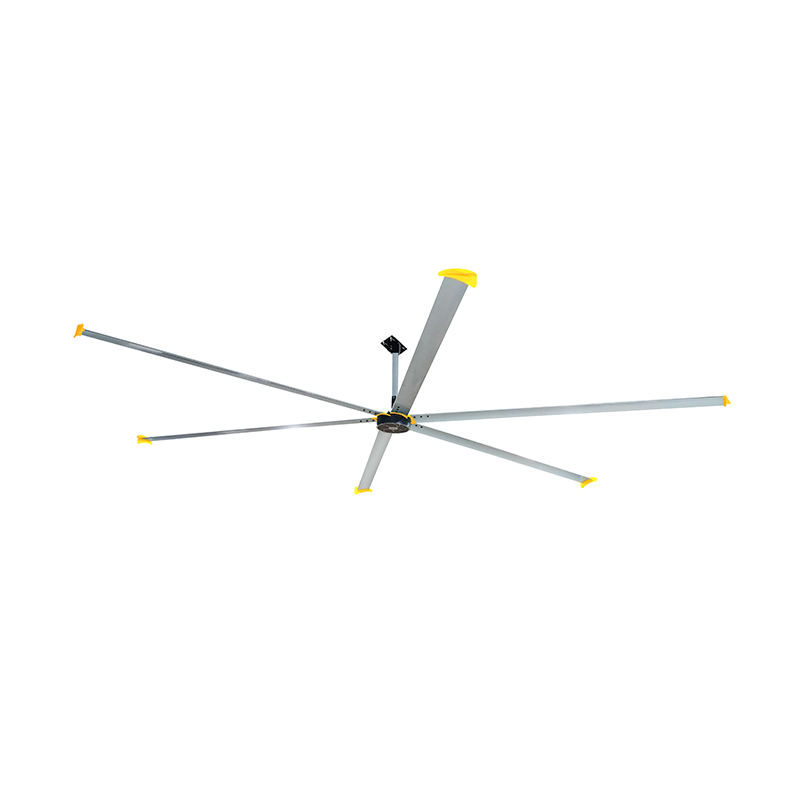
For international buyers, engineers, and facility managers, understanding key selection factors can help them avoid unsuitable equipment choices and improve ventilation performance.
Unlike residential or small commercial environments, industrial buildings usually contain larger open areas where air movement can become uneven. High ceilings may cause warm air to accumulate near the roof while lower working areas experience insufficient circulation.
Common challenges include:
Industrial ceiling fans are designed to address these challenges by creating wider airflow coverage across large spaces.
Professional buyers usually evaluate several technical factors before choosing ventilation equipment.
Important selection points include:
A suitable fan configuration should match the actual facility instead of relying only on general specifications.
The blade structure plays an important role in airflow distribution. Different blade designs influence how air moves through a facility.
Manufacturers focus on:
A properly designed blade system helps distribute air more evenly and improves overall circulation in large spaces.
The motor is one of the key components affecting industrial fan operation. For facilities requiring long working hours, stable motor performance and suitable control options are important considerations.
Buyers often look at:
Modern industrial fans may also integrate control systems that allow operators to adjust airflow according to different working conditions.
Industrial ceiling fans are used in various industries because large-scale air movement is required in many environments.
Typical applications include:
Each application has different requirements, which is why project-based recommendations are valuable.
Different facilities may require different installation methods and product configurations. Working with an experienced manufacturer allows buyers to receive more suitable solutions.
Customization support may include:
This approach helps customers achieve better compatibility with existing buildings and operational systems.
Industrial equipment often operates for extended periods, making product consistency an important factor for buyers.
A professional manufacturer focuses on:
These procedures help ensure products meet expected performance standards before shipment.
Choosing an industrial ceiling fan supplier is not only a product decision but also a long-term cooperation decision. Buyers need manufacturers that understand engineering requirements, provide technical support, and maintain stable production capability.
As industrial facilities continue to improve energy management and workplace environments, selecting an experienced Industrial Ceiling Fans Factory can help businesses achieve more effective airflow solutions, reliable equipment performance, and flexible support for different industrial applications.


 Add: Plot 23, Huanglang Industrial Zone, Jinqing Town, Luqiao District, Taizhou City, Zhejiang Province
 Email: 39489814@qq.com
 Phone: +86-13586083215
Guided by our vision to "become the benchmark industrial fan creator and manufacturer," we have consistently innovated and advanced to establish our current industry leadership position.
Copyright © Taizhou Jiucang Electromechanical Co., Ltd.
All Rights Reserved.

China Large Silent Fans
