
 English
 English
 عربى
عربى 한국어
한국어
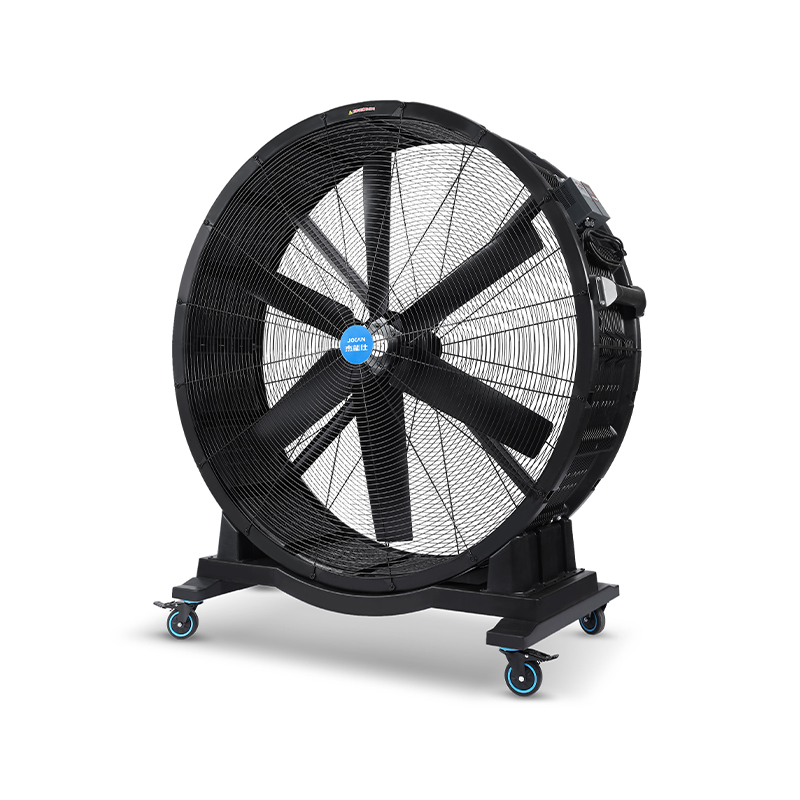
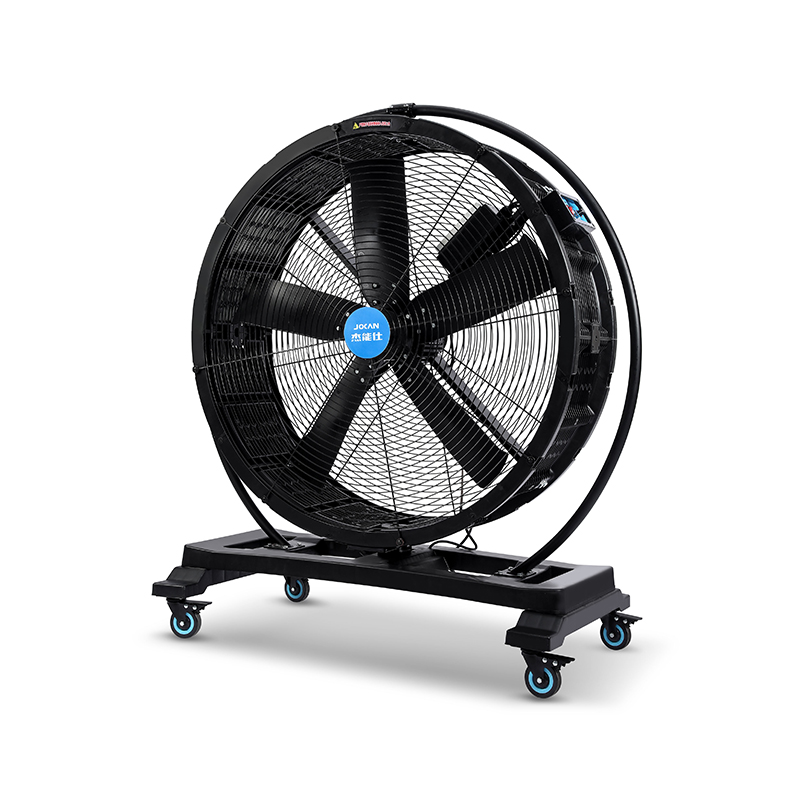
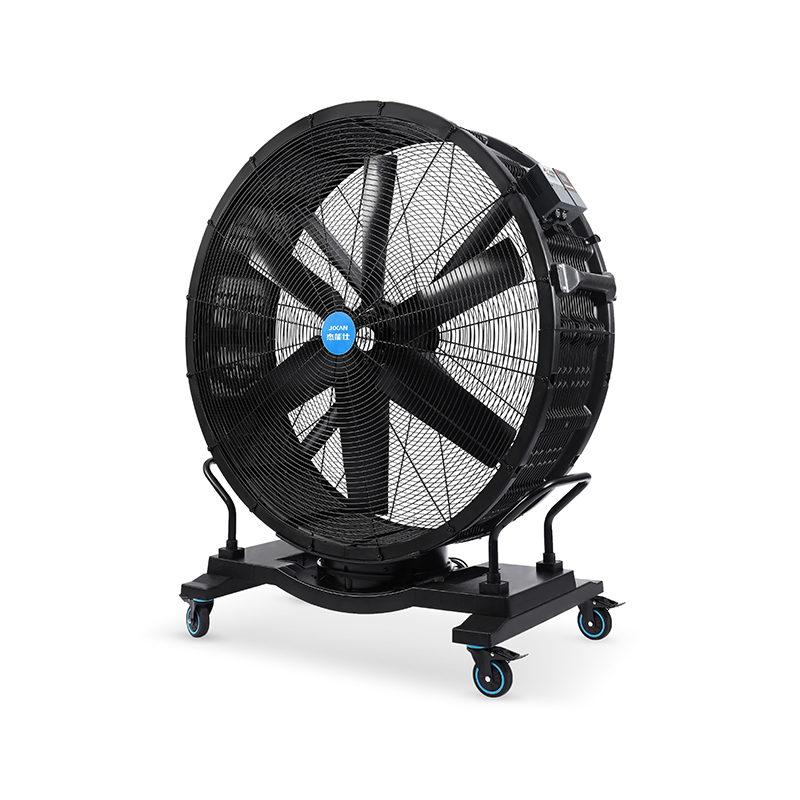
Industrial Wall Mounted Oscillating Fan
The Industrial Wall Mounted Oscillating Fan is a versatile and efficient cooling...
 Add: Plot 23, Huanglang Industrial Zone, Jinqing Town, Luqiao District, Taizhou City, Zhejiang Province
 TEL: +86-13586083215
Managing noise from ventilation systems is a common concern for homeowners, particularly in spaces where quiet operation is important, such as bedrooms, offices, or living rooms. Air Purifier Fan Factory and Duct Fan Factory offer designs that address these concerns, focusing on how fan construction, materials, and installation practices can contribute to lower sound levels while maintaining steady airflow. Understanding these design elements can help users select and maintain fans suitable for residential environments.
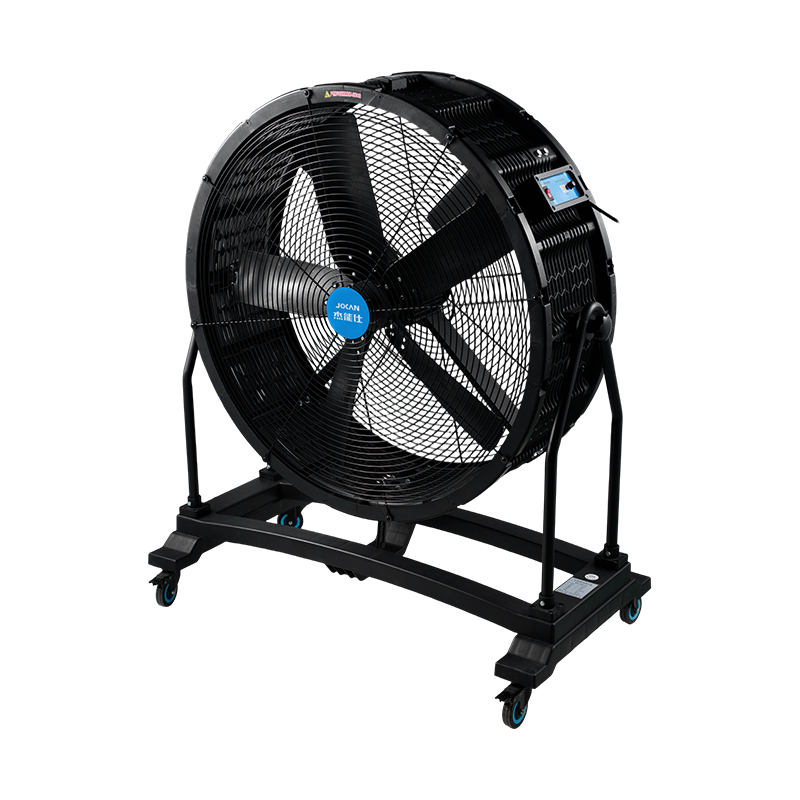
Fan Blade Design and Material Selection
The way fan blades are shaped and the materials used for their construction can significantly influence noise levels. Duct fans intended for home use often feature blades with smoother edges and carefully balanced profiles to reduce turbulence as air moves through the system. Materials such as treated metal or durable plastics can help reduce vibration that might otherwise transfer into the ductwork. By considering both blade shape and material, manufacturers provide fans that operate with less mechanical noise while still moving air through the ducts effectively.
Motor Construction and Vibration Control
Motors are a primary source of sound in ventilation systems. Duct Fan Factory designs include motors with reduced vibration through techniques such as balanced rotors and cushioned mounts. Some models incorporate noise-dampening housings or isolated motor compartments that prevent vibrations from spreading to the surrounding duct or building structure. These adjustments can noticeably lower operational sound in living spaces without requiring major changes to existing duct layouts.
Duct Integration and Mounting Techniques
Even a well-designed fan can produce unwanted noise if not integrated properly. Proper mounting and sealing are crucial in residential installations. Fans should be secured to reduce contact with rigid surfaces that could transmit vibrations. Flexible connectors or isolation brackets are often used to absorb small movements and prevent them from amplifying through ducts. Additionally, ensuring that ducts are free from sharp bends or obstructions can prevent air turbulence, which is another common source of noise.
Variable Speed and Airflow Adjustment
Homes have different ventilation needs throughout the day. Fans with adjustable speeds allow residents to reduce airflow during periods when lower noise is preferred, such as at night or during focused activities. Lower speeds reduce motor load and airflow turbulence, which both contribute to quieter operation. Users can also adjust settings seasonally or based on occupancy, aligning ventilation with household routines while maintaining a comfortable sound environment.
Placement Considerations for Noise Management
The location of duct fans within a home can influence how sound is perceived. Installing fans farther from occupied rooms or positioning them in areas where natural insulation, such as walls or ceilings, can dampen sound helps reduce disturbance. Factories may provide guidance on recommended placement for residential applications, helping homeowners choose locations that balance effective airflow with noise impact.
Maintenance Practices to Preserve Quiet Operation
Routine maintenance also affects noise levels over time. Accumulated dust, loose components, or minor mechanical wear can increase vibration and operational sound. Periodic cleaning of fan blades, checking the tightness of mounting brackets, and inspecting the motor can help maintain steady and quieter performance. Residential fans are often designed for easy access, allowing users to perform these tasks without specialized equipment.
Complementary Air Purification and Flow Design
Fans from Air Purifier Fan Factory may also work alongside filtration units to circulate cleaned air quietly through a home. By pairing airflow designs with compatible ducts and filters, fans can distribute air efficiently without creating additional noise from turbulence or obstruction. This approach supports a more balanced indoor environment where both ventilation and air quality are considered.


 Add: Plot 23, Huanglang Industrial Zone, Jinqing Town, Luqiao District, Taizhou City, Zhejiang Province
 Email: 39489814@qq.com
 Phone: +86-13586083215
Guided by our vision to "become the benchmark industrial fan creator and manufacturer," we have consistently innovated and advanced to establish our current industry leadership position.
Copyright © Taizhou Jiucang Electromechanical Co., Ltd.
All Rights Reserved.

China Large Silent Fans
