
 English
 English
 عربى
عربى 한국어
한국어
Industrial Wall Mounted Oscillating Fan
The Industrial Wall Mounted Oscillating Fan is a versatile and efficient cooling...
 Add: Plot 23, Huanglang Industrial Zone, Jinqing Town, Luqiao District, Taizhou City, Zhejiang Province
 TEL: +86-13586083215
Urban areas often face challenges with air quality due to high population density and limited natural airflow in buildings. Factories that produce fresh air fans and floor fans play a role in providing tools to manage these issues. A fresh air fan factory supplies systems designed to introduce outdoor air into indoor spaces, while a floor fan factory offers devices that help circulate air within rooms. Together, these products support efforts to reduce indoor pollutants in city environments where sealed structures can trap contaminants.
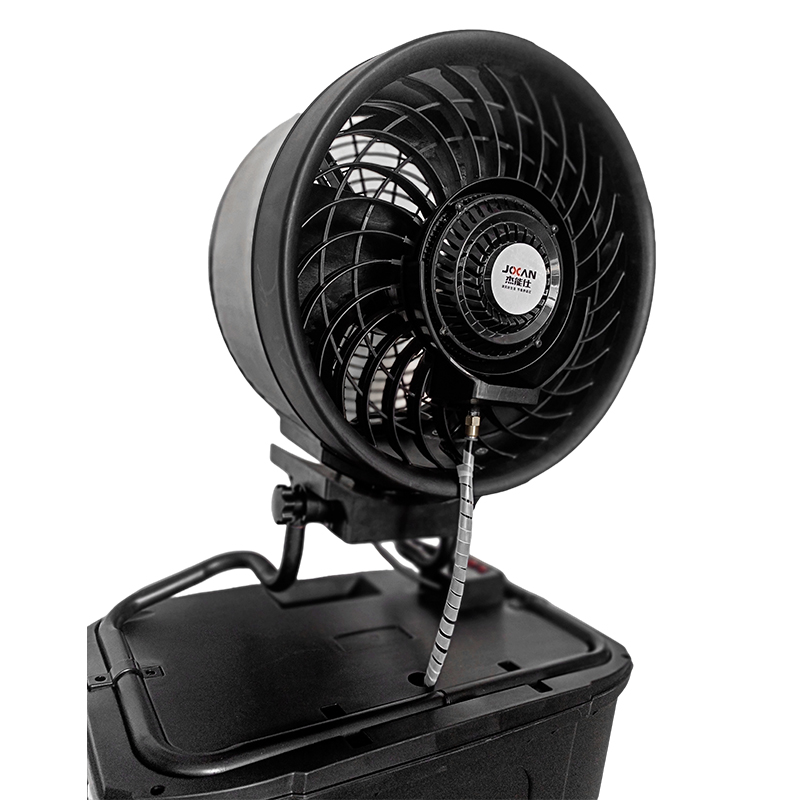
In urban settings, indoor pollution arises from various sources, including vehicle emissions seeping through windows, household chemicals, and cooking fumes. Buildings with tight construction to conserve energy can limit air exchange, allowing pollutants like volatile organic compounds, dust, and carbon dioxide to build up. This situation affects daily life, as people spend much time indoors, and poor air quality can contribute to discomfort or health concerns. Fresh air fans address this by facilitating the entry of outside air, which dilutes indoor contaminants when outdoor conditions are favorable. For instance, in cities with moderate pollution levels, these fans can draw in air during times when external air is cleaner, such as early mornings or evenings. Users need to consider local air quality indexes before operating the fans to ensure the incoming air improves rather than worsens the indoor environment. Practical steps include monitoring urban air reports through apps or local weather services and adjusting fan usage accordingly.
Fresh air fans work by pulling in external air through vents or ducts, which helps replace stale indoor air. This process supports ventilation in apartments, offices, and commercial spaces where windows may not open easily due to noise or security reasons. In practice, these fans can connect to existing ductwork or operate as standalone units, depending on the building's design. For effective use, position the fan intake away from pollution sources like busy roads or exhaust vents. In urban homes, a fresh air fan might run on a timer to introduce air during off-peak pollution hours, helping to maintain a balanced indoor atmosphere. Users should also pair these fans with filters to capture particles from incoming air, such as pollen or urban dust. Regular filter checks, every few months, prevent clogging and ensure consistent airflow. This approach provides a straightforward way to handle pollution without relying entirely on complex systems.
Floor fans from a floor fan factory complement fresh air systems by moving air within a space, which aids in distributing the introduced fresh air evenly. In urban apartments with limited square footage, a floor fan placed strategically can push air towards areas with higher pollutant buildup, like kitchens or bedrooms. These fans operate at various speeds, allowing users to adjust based on room size and occupancy. For example, in a small office, running a floor fan on a low setting during work hours can help circulate air without creating drafts. To address noise concerns common in quiet urban living spaces, select models with quieter motors and place them on stable surfaces to reduce vibration. Combining fresh air intake with internal circulation creates a more uniform environment, reducing pockets of stagnant air where pollutants might concentrate. Practical advice includes testing different fan positions to find what works for a specific layout, perhaps starting near windows or vents.
Choosing a fan involves assessing the space's size, layout, and pollution sources. For urban dwellers, measure the room's volume in cubic feet to determine the fan's capacity, often listed in cubic feet per minute (CFM). A general guideline is to aim for air exchange rates that refresh the space several times per hour, adjusted for the number of occupants. Consult product specifications from fresh air fan factories to match the fan's output to these calculations. In high-rise buildings, consider fans with adjustable speeds to handle varying wind pressures from elevation. Floor fans, meanwhile, should have sturdy bases to prevent tipping in busy households. Users can evaluate energy use by checking the wattage and comparing it to local utility rates, ensuring the fan fits within budget constraints. This selection process helps in addressing specific urban challenges, like compact living spaces or variable outdoor air quality.
Installing fresh air fans requires attention to placement and integration with existing systems. In urban buildings, professional services can ensure the fan aligns with vents or windows without compromising structural integrity. For instance, wall-mounted units need secure fastening to handle vibrations, while ducted systems should connect seamlessly to avoid leaks. Users might start with a site assessment to identify suitable locations, such as away from direct sunlight to prevent overheating. Floor fans, being portable, offer simpler setup, but positioning them to avoid obstructing pathways is key in tight urban interiors. Common issues like uneven airflow can be mitigated by testing the system post-installation, perhaps using smoke pencils to visualize air movement. This hands-on approach allows users to verify that the setup contributes to pollution reduction without introducing new problems, like increased energy draw from improper sealing.

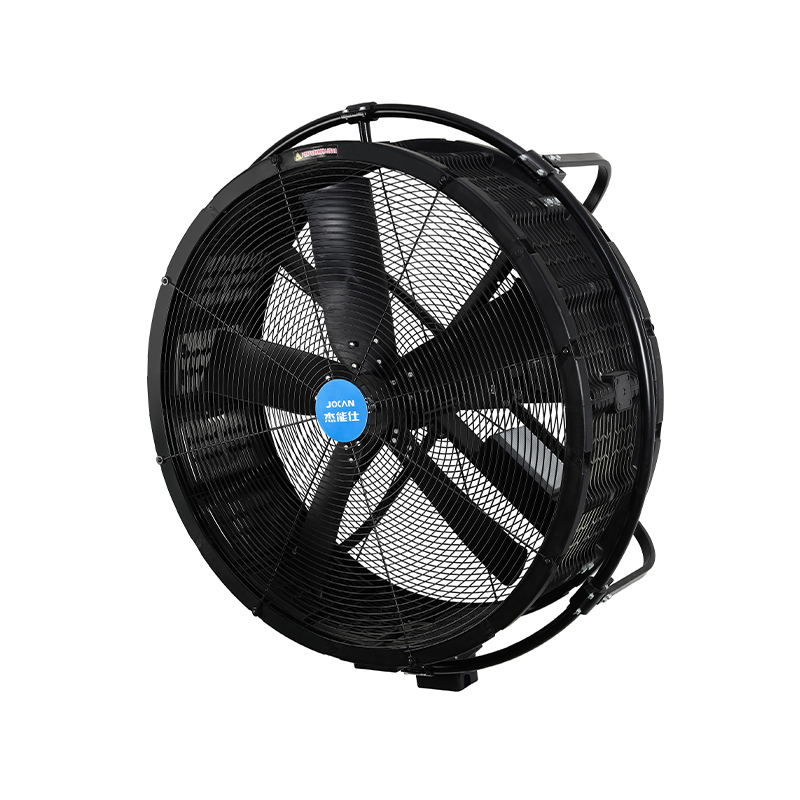
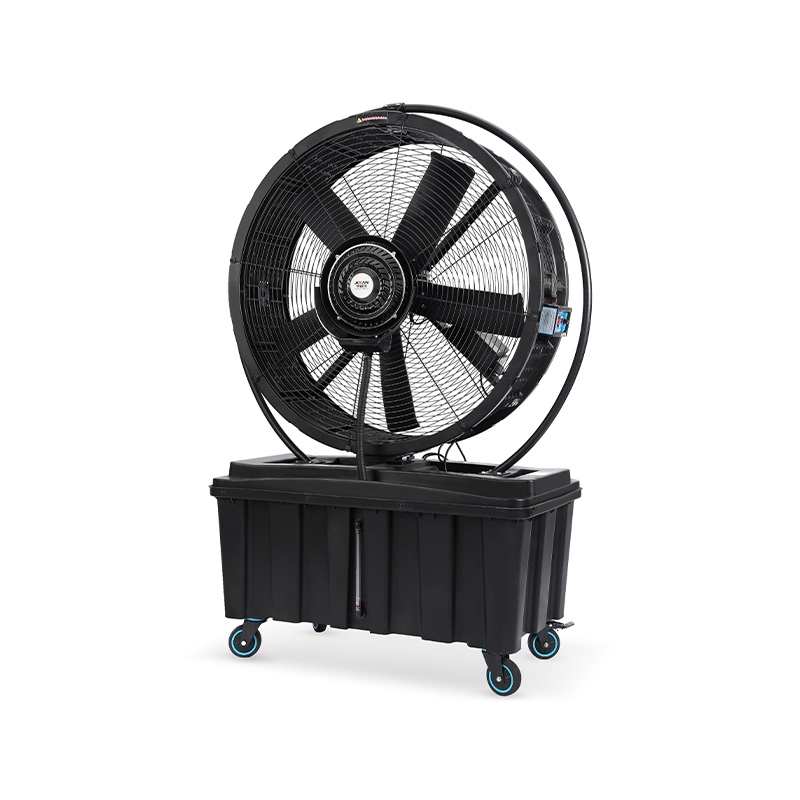
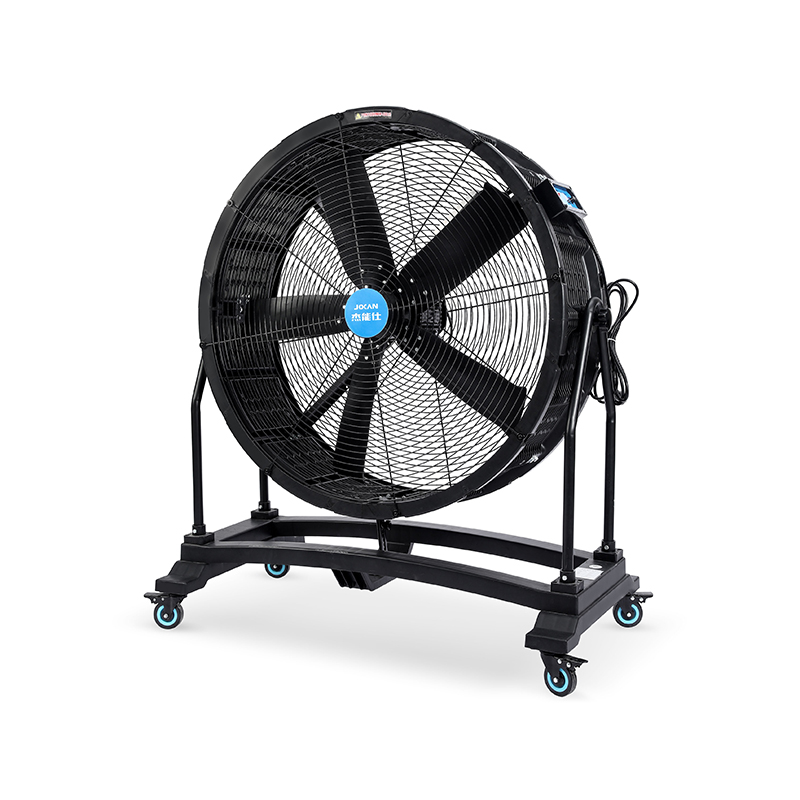
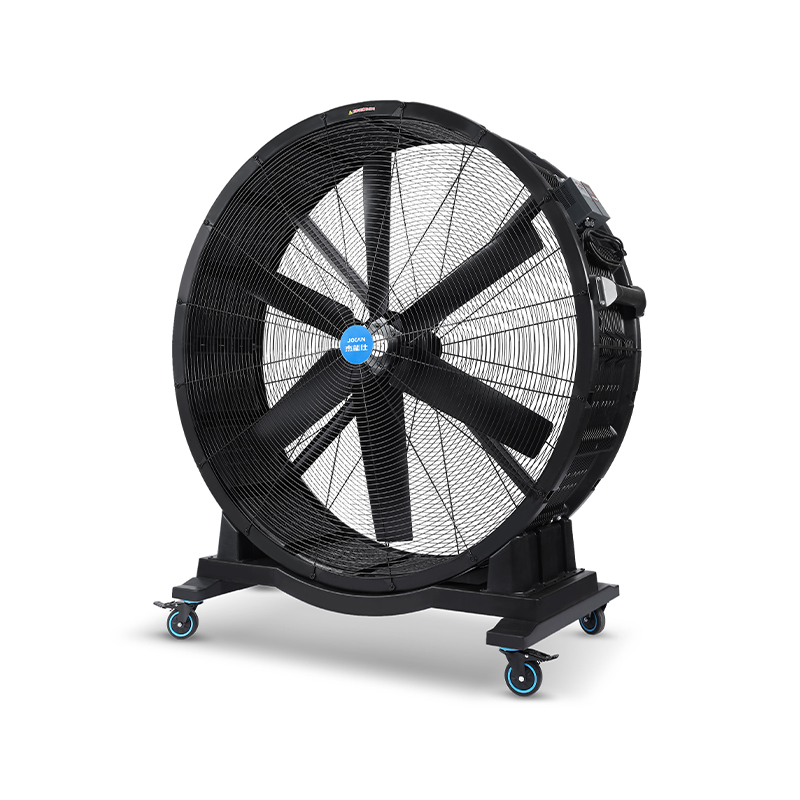
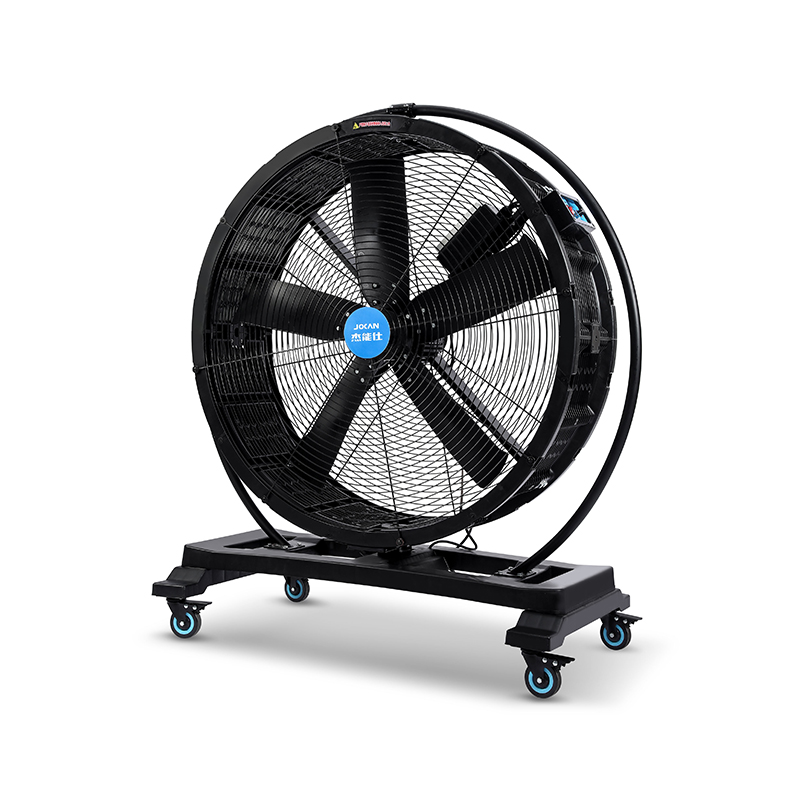
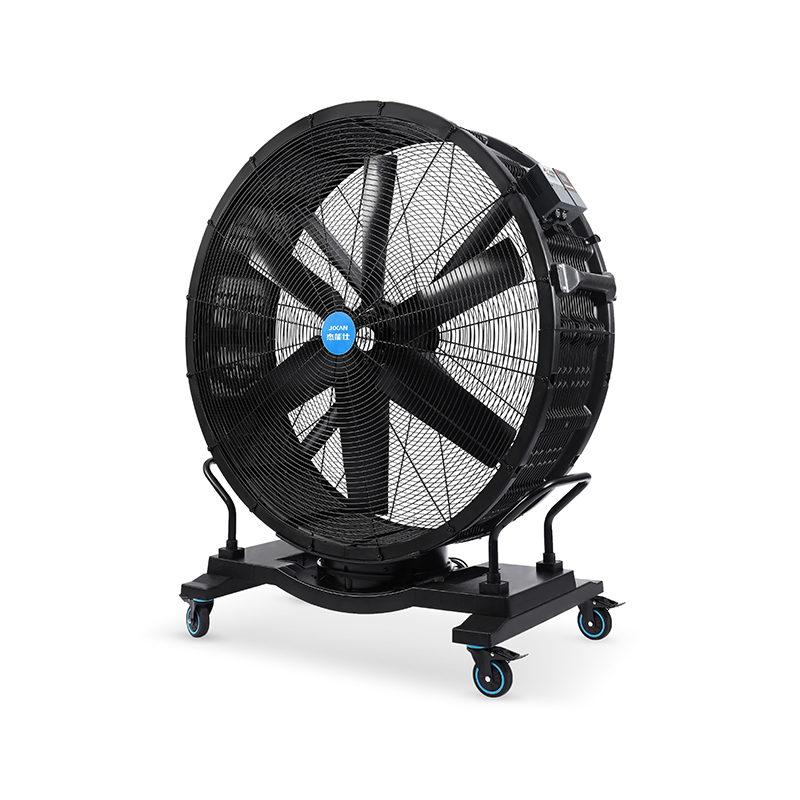

 Add: Plot 23, Huanglang Industrial Zone, Jinqing Town, Luqiao District, Taizhou City, Zhejiang Province
 Email: 39489814@qq.com
 Phone: +86-13586083215
Guided by our vision to "become the benchmark industrial fan creator and manufacturer," we have consistently innovated and advanced to establish our current industry leadership position.
Copyright © Taizhou Jiucang Electromechanical Co., Ltd.
All Rights Reserved.

China Large Silent Fans
