
 English
 English
 عربى
عربى 한국어
한국어
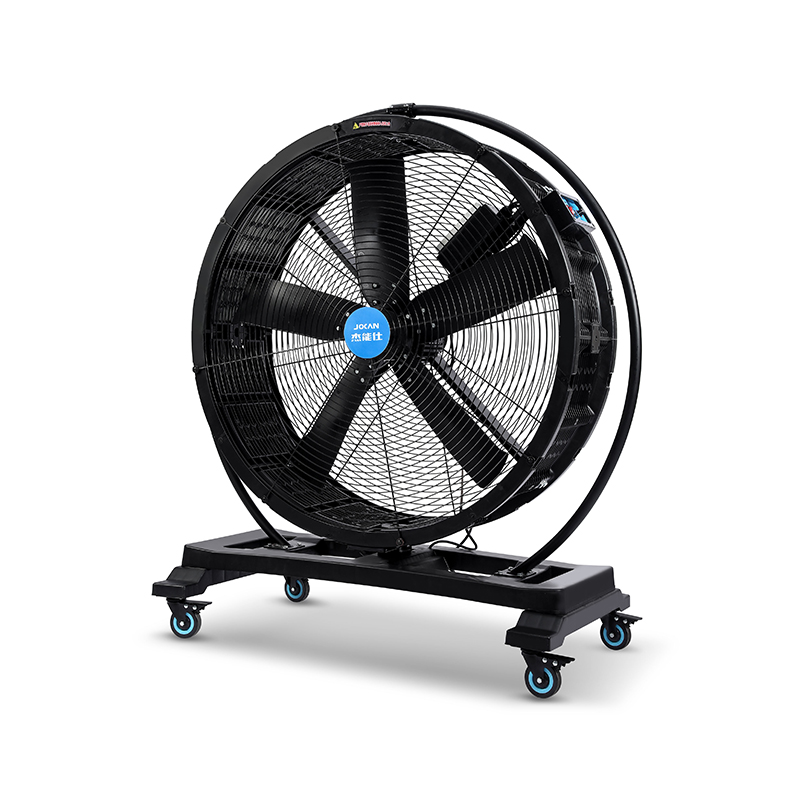
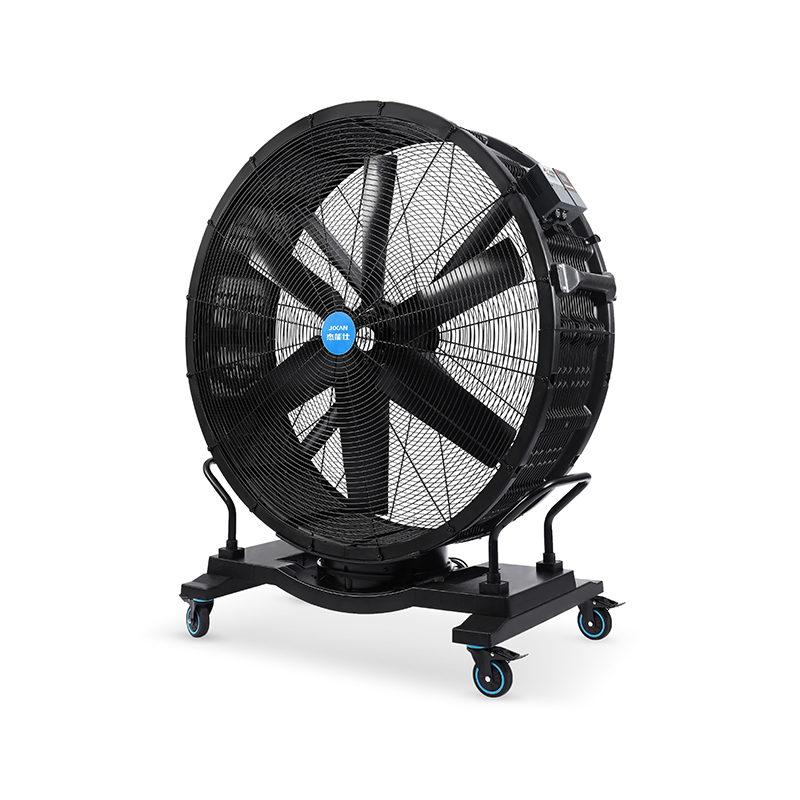
Industrial Wall Mounted Oscillating Fan
The Industrial Wall Mounted Oscillating Fan is a versatile and efficient cooling...
 Add: Plot 23, Huanglang Industrial Zone, Jinqing Town, Luqiao District, Taizhou City, Zhejiang Province
 TEL: +86-13586083215
Air Purifier Fan Factory and Duct Fan Factory play a significant role in shaping how indoor spaces maintain airflow and air quality. In environments ranging from residential buildings to commercial facilities, managing airflow effectively requires careful planning, proper equipment, and routine checks. Understanding how these factories approach design, production, and support can help users select and maintain fans that meet the specific needs of their ventilation systems.

A duct fan’s efficiency begins at the design stage. Factories consider factors such as the size of the ducts, expected air volume, and the type of HVAC system that will integrate the fan. By analyzing these elements, factories produce fans that move air steadily through long or complex duct paths, reducing the risk of areas with stagnant air. For users, this means that rooms or zones receive more even airflow, which can assist in maintaining consistent temperatures and comfort levels throughout a space.
Engineers also evaluate the materials used in fan construction. Components like fan blades, housing, and motor parts are selected to balance durability and airflow capability. Proper material selection helps prevent excessive vibrations, warping, or wear over time, supporting steady operation and extending the service life of the fan.
While duct fans primarily move air, their impact on energy usage is significant. In systems where air does not circulate efficiently, heating or cooling units must work harder, consuming additional energy. Factories focus on producing fans that integrate smoothly with HVAC systems, allowing air to flow without putting extra strain on equipment. This approach can help reduce overall energy usage and lower operational costs, without introducing unnecessary complexity.
Additionally, some factories provide guidance on fan placement and configuration. By positioning fans in locations that promote effective circulation and reduce backpressure, the overall ventilation system functions more steadily. Users can also benefit from adjusting fan speed or airflow settings according to seasonal changes or occupancy levels, which helps align energy use with actual needs.
Proper installation is essential to maintaining steady airflow. Duct Fan Factory services often include installation instructions or professional assistance to ensure fans are mounted securely, sealed correctly, and aligned with the ductwork. Misaligned or loosely mounted fans can create noise, reduce airflow, and strain the motor. Following recommended installation steps helps maintain consistent performance while avoiding common operational issues.
Maintenance is another area where factory guidance proves valuable. Fans accumulate dust, debris, and wear on mechanical components over time, which can hinder performance. Regular inspections, cleaning of blades, and checking motor function keep fans operating within expected parameters. Factories may provide maintenance schedules or tips to help users recognize signs that adjustments or repairs are needed, which supports steady airflow management without frequent interruptions.
Airflow needs vary depending on building size, layout, and intended use. Factories producing duct fans and air purifier fans consider these variables to provide fans suitable for a range of applications. In commercial settings with large open spaces or multiple floors, fans may be designed to handle higher air volumes while keeping sound levels moderate. In residential spaces, quieter operation and smaller footprints are often prioritized.
Temperature variations, humidity, and other environmental factors can also affect airflow performance. Factories may recommend auxiliary components, such as dampers or control units, that work alongside the fan to manage airflow more evenly throughout the system. Users who implement these recommendations often notice smoother air distribution and a reduction in areas with excessive hot or cold spots.
Many duct fan factories offer consultation services to help users determine the right equipment for their spaces. This can include evaluating the duct layout, estimating airflow needs, and identifying potential challenges before installation. Access to technical guidance can help users select fans that match their system’s requirements, reducing the likelihood of airflow issues and equipment strain.


 Add: Plot 23, Huanglang Industrial Zone, Jinqing Town, Luqiao District, Taizhou City, Zhejiang Province
 Email: 39489814@qq.com
 Phone: +86-13586083215
Guided by our vision to "become the benchmark industrial fan creator and manufacturer," we have consistently innovated and advanced to establish our current industry leadership position.
Copyright © Taizhou Jiucang Electromechanical Co., Ltd.
All Rights Reserved.

China Large Silent Fans
