
 English
 English
 عربى
عربى 한국어
한국어
Industrial Wall Mounted Oscillating Fan
The Industrial Wall Mounted Oscillating Fan is a versatile and efficient cooling...
 Add: Plot 23, Huanglang Industrial Zone, Jinqing Town, Luqiao District, Taizhou City, Zhejiang Province
 TEL: +86-13586083215
Taizhou Jiucang Electromechanical Co., Ltd.
For many factories, ventilation problems are not caused by a lack of airflow alone. The real challenge is finding the right balance between air volume, static pressure, energy consumption, operating conditions, and maintenance requirements. As industrial facilities pay closer attention to energy efficiency and equipment reliability, Industrial Fans are increasingly being evaluated as part of the overall ventilation system rather than as standalone equipment. For procurement teams and engineers, this means fan selection should begin with the working conditions and required performance, not simply a catalogue airflow figure.
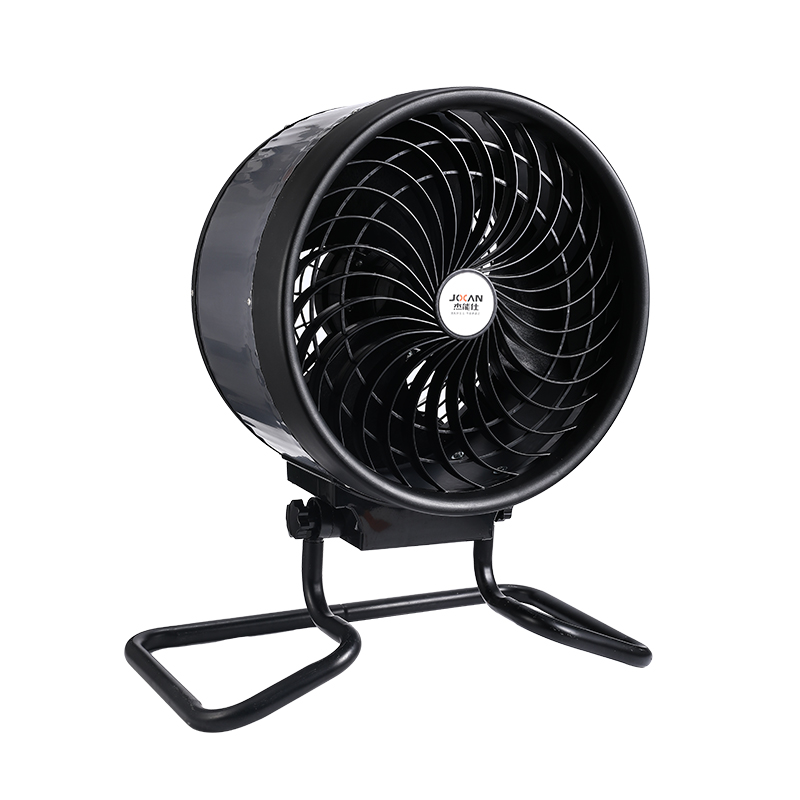
A fan rated for a high airflow may not perform as expected once it is connected to ducts, filters, dampers, louvers, or other resistance points. This is one of the common reasons why a newly installed ventilation system fails to deliver the expected result.
During selection, engineers should consider:
For industrial ventilation fan applications, the operating point is more useful than a single maximum airflow value. A properly matched fan can provide the required air movement without forcing the motor to work outside its practical operating range.
Different industrial environments require different airflow solutions. Axial fans are often considered when large air volumes need to move through relatively low-resistance paths, making them suitable for general ventilation, cooling, and air circulation.
Centrifugal fans can be more appropriate when the system requires higher pressure to overcome resistance from ductwork, filtration, or process equipment. For dust extraction, process ventilation, and other demanding applications, the fan should also be evaluated for the characteristics of the transported air.
As a manufacturer, we recommend selecting the fan type only after reviewing the complete system conditions. Choosing equipment simply because another factory uses the same fan model can create unnecessary energy consumption or insufficient ventilation.
Variable speed control can also be useful where airflow demand changes during production. Reducing fan speed when full airflow is unnecessary may help align energy use with the actual ventilation requirement.
A standard ventilation fan is not automatically suitable for every industrial environment. Manufacturing plants may need to handle hot air, dust particles, moisture, fumes, or mildly corrosive gases.
The selection process should therefore examine:
Material selection, impeller design, motor protection, and surface treatment can all affect service performance. A reliable industrial ventilation system begins with understanding what the fan will actually handle throughout its working life.
A fan that is difficult to inspect or repair can increase downtime even when its initial performance is acceptable. Procurement teams should therefore look beyond purchase price and ask how the equipment will be maintained after installation.
Practical questions include whether key components can be accessed efficiently, whether replacement parts are available, and whether routine cleaning can be completed without complicated procedures. The latest European fan requirements also place greater attention on repairability and product information, reinforcing the importance of considering the equipment's service life during purchasing decisions.
From a manufacturer's perspective, we treat maintenance access and component selection as part of product development rather than as an afterthought.
Not every factory has the same installation space, airflow requirements, or operating environment. Standard fan dimensions may therefore create difficulties when replacing existing equipment or integrating a fan into a customized ventilation system.
For OEM and project-based orders, manufacturers may need to review parameters such as:
Early communication between the buyer, engineer, and manufacturer can reduce the risk of selecting a fan that performs well in testing but does not fit the final installation.
For overseas buyers, the most efficient way to evaluate a supplier is to provide the actual application conditions and request a technical recommendation based on those parameters. Airflow, pressure, temperature, medium, operating schedule, installation environment, and control requirements give manufacturers a much clearer basis for selection than a simple request for “a powerful fan.”
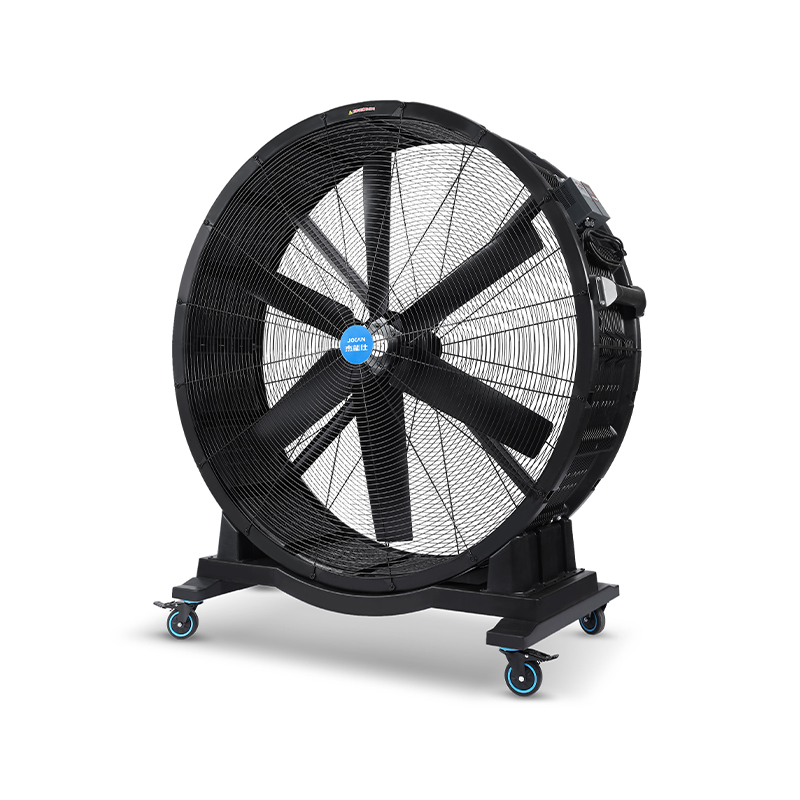
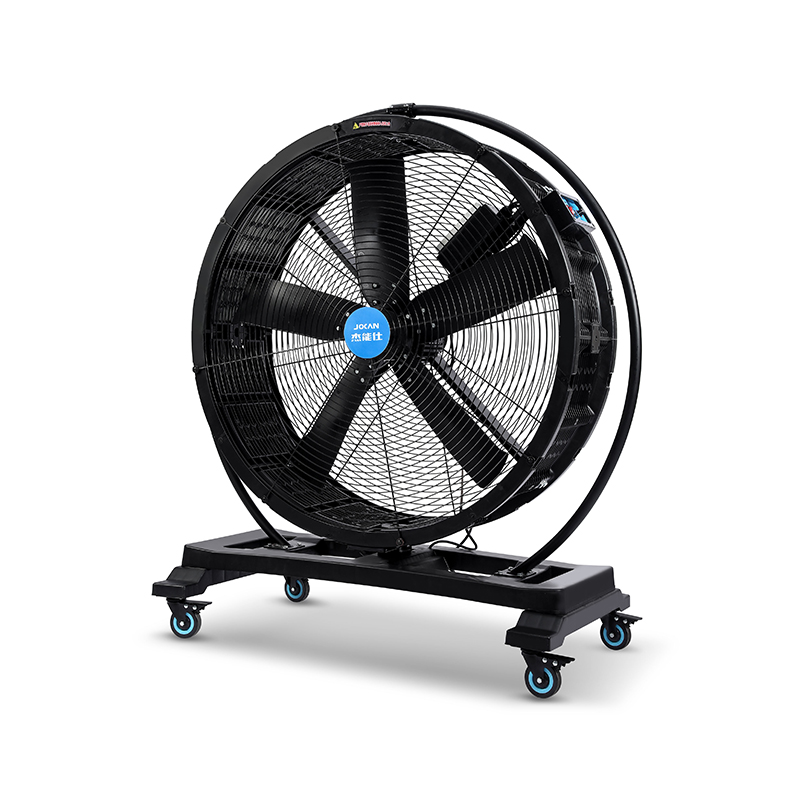
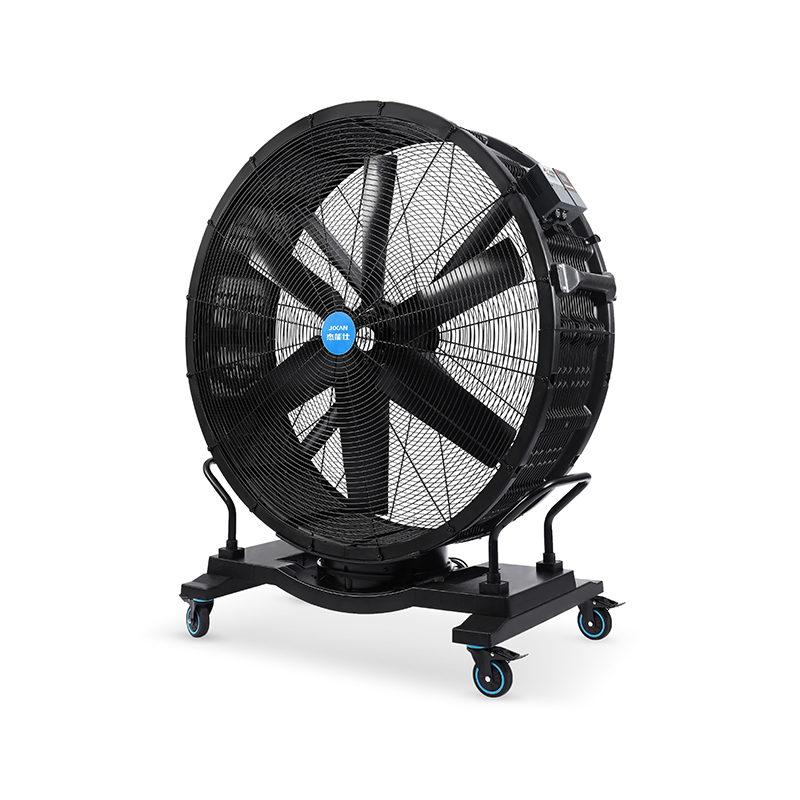
As manufacturers of Industrial Fans, we focus on matching fan construction and operating performance with the real requirements of each application. For buyers seeking an energy-conscious industrial ventilation fan, the goal should not be the largest airflow number on a specification sheet, but a dependable solution that delivers the required air movement, fits the system, and remains practical to operate and maintain.

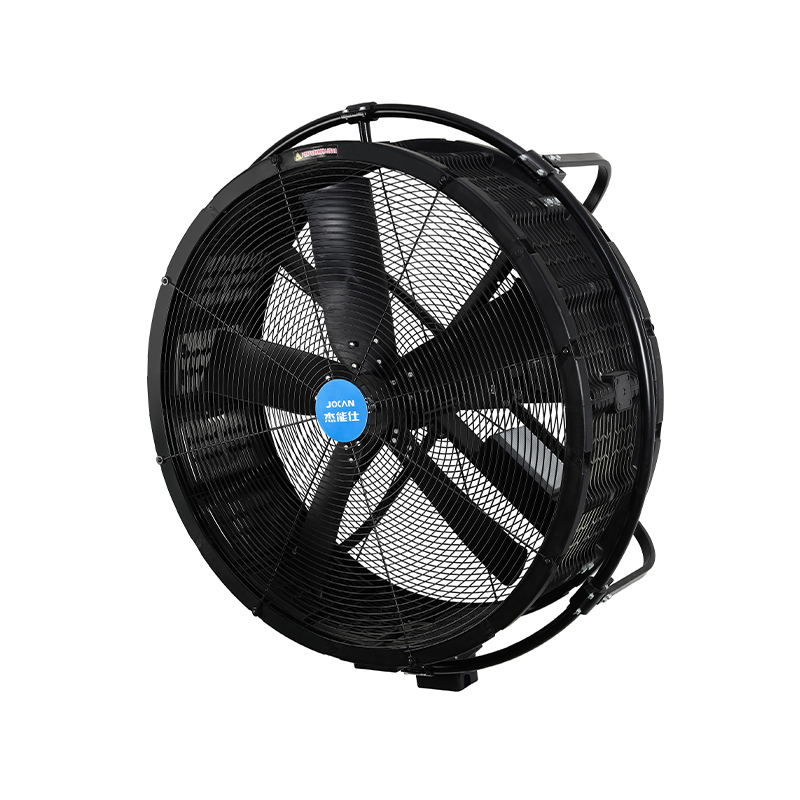
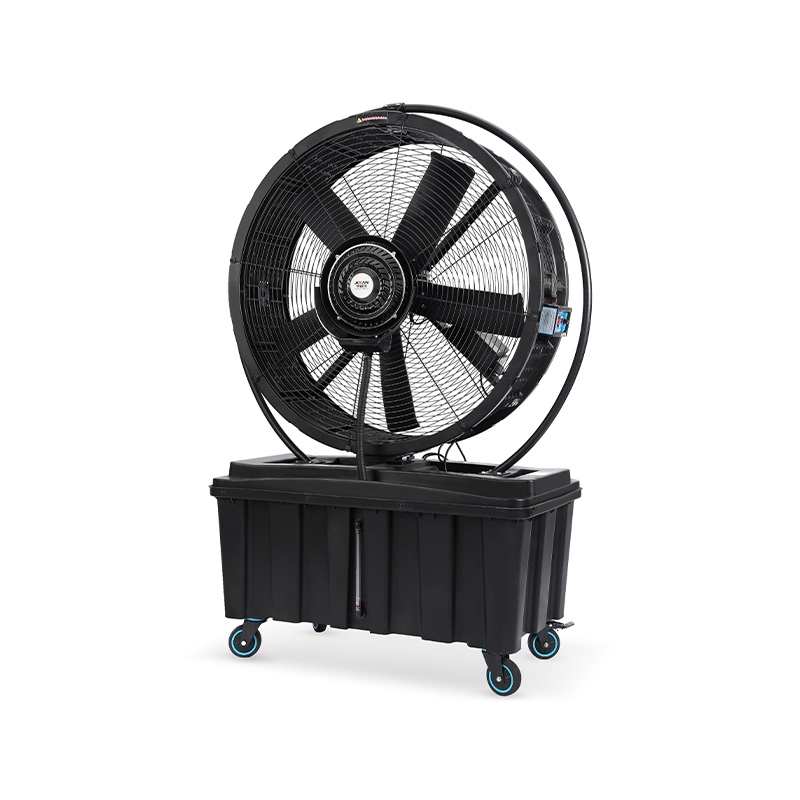
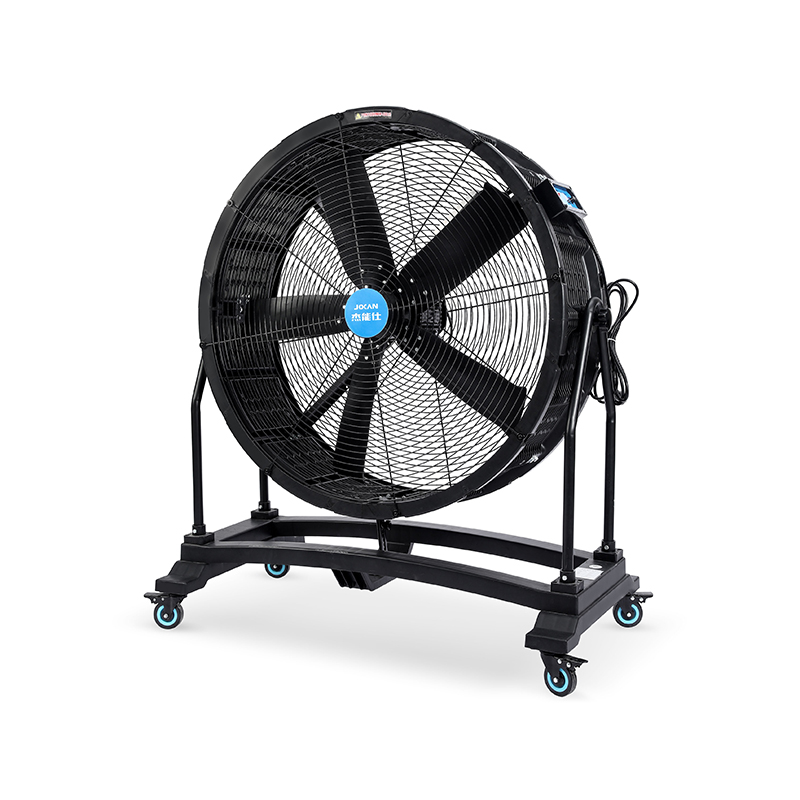

 Add: Plot 23, Huanglang Industrial Zone, Jinqing Town, Luqiao District, Taizhou City, Zhejiang Province
 Email: 39489814@qq.com
 Phone: +86-13586083215
Guided by our vision to "become the benchmark industrial fan creator and manufacturer," we have consistently innovated and advanced to establish our current industry leadership position.
Copyright © Taizhou Jiucang Electromechanical Co., Ltd.
All Rights Reserved.

China Large Silent Fans
