
 English
 English
 عربى
عربى 한국어
한국어
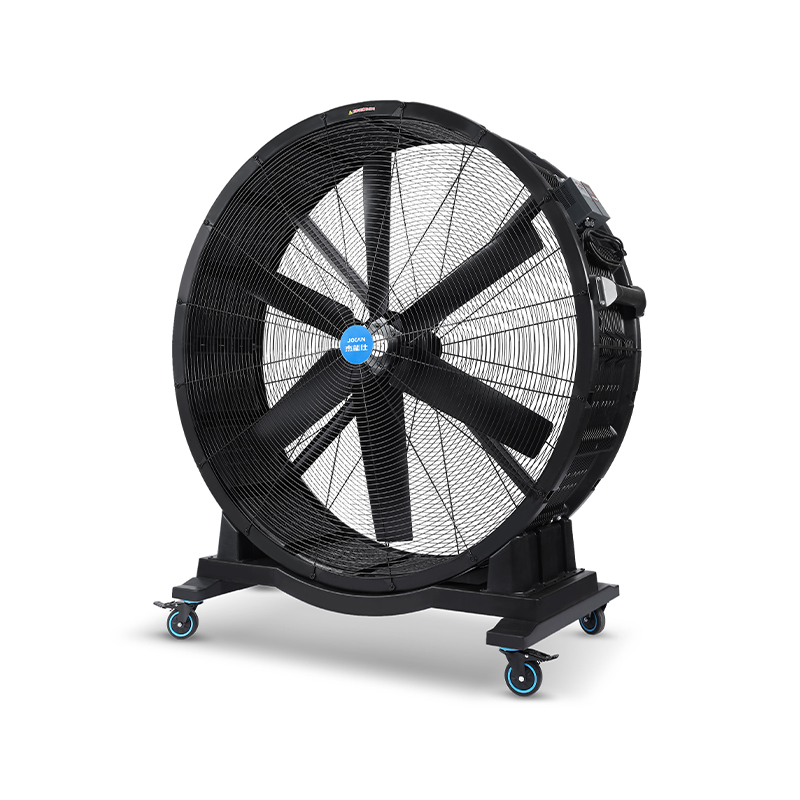
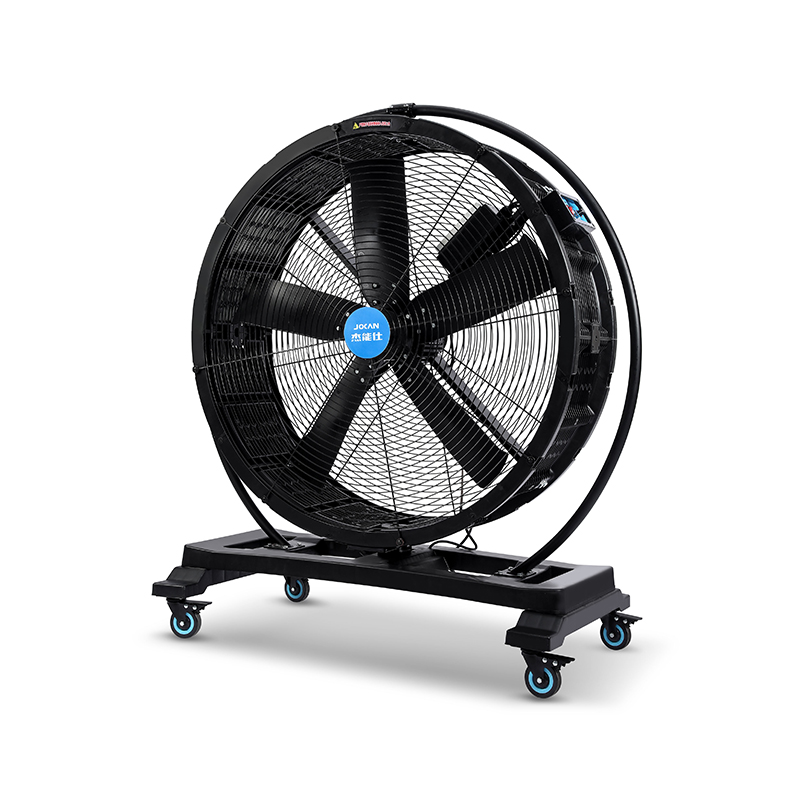
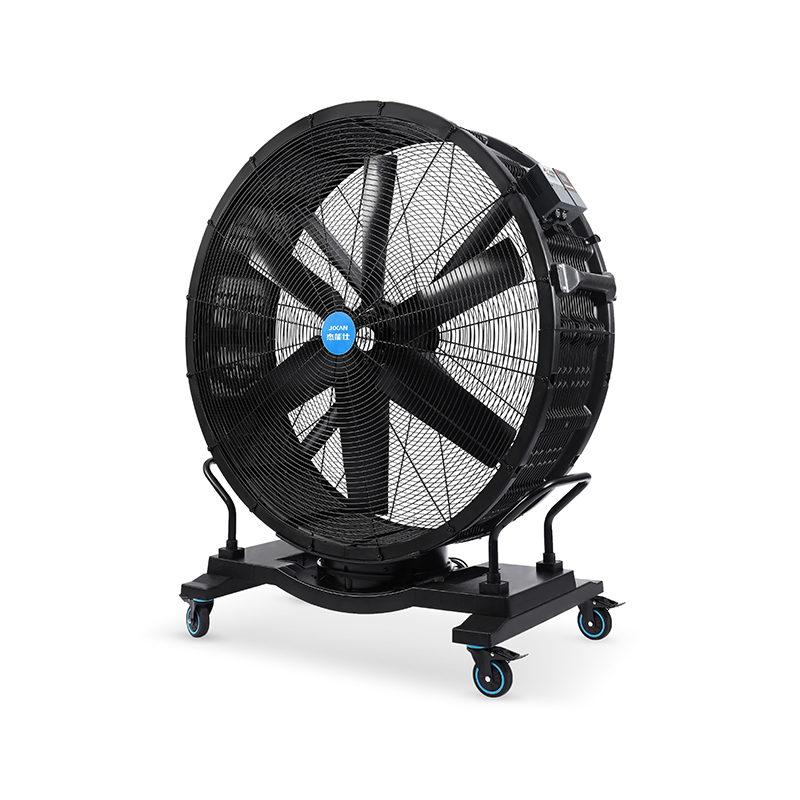
Industrial Wall Mounted Oscillating Fan
The Industrial Wall Mounted Oscillating Fan is a versatile and efficient cooling...
 Add: Plot 23, Huanglang Industrial Zone, Jinqing Town, Luqiao District, Taizhou City, Zhejiang Province
 TEL: +86-13586083215
Taizhou Jiucang Electromechanical Co., Ltd.
Indoor air quality has become a major focus across commercial buildings, schools, healthcare facilities, data centers, and residential developments. As building owners pursue healthier indoor environments and greater energy efficiency, ventilation systems are receiving increased attention from engineers, facility managers, and procurement teams. Recent discussions on industry forums and professional networks show rising interest in topics such as energy-saving ventilation, smart air circulation systems, and sustainable HVAC upgrades.
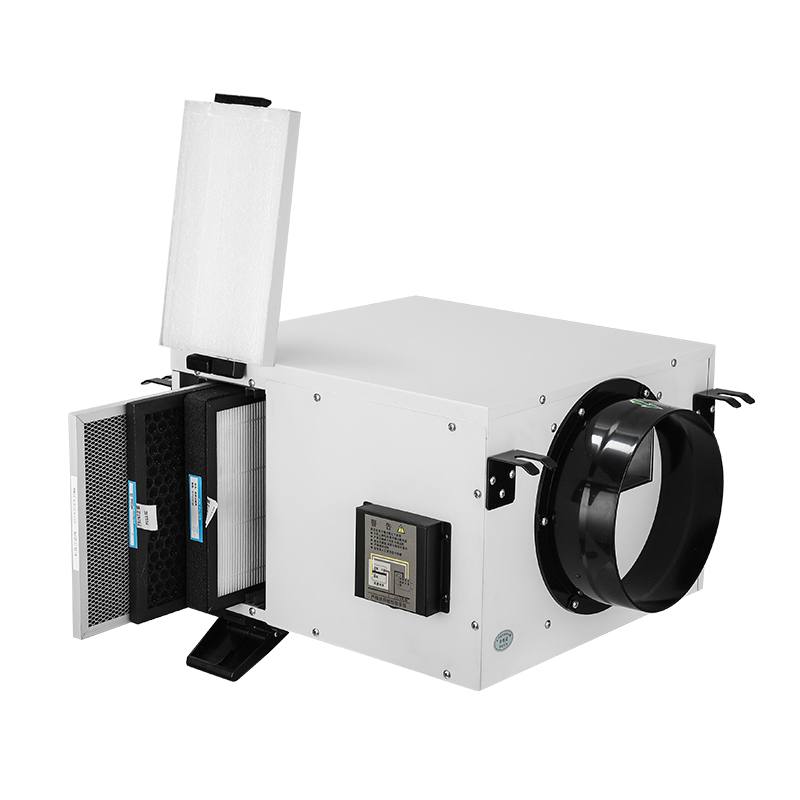
Search trends including “high-efficiency ventilation solutions,” “energy-saving air handling systems,” “low-noise commercial ventilation fans,” and “smart building airflow management” highlight a growing challenge: how to improve indoor air quality without significantly increasing operating costs. As a professional Fresh Air Fan Factory, we see these concerns driving purchasing decisions across global markets.
Many existing ventilation systems were designed years ago when energy efficiency and indoor environmental quality received less attention than they do today. Modern buildings now require better airflow control, reduced energy consumption, and quieter operation.
Common concerns include:
As building standards continue to evolve, older ventilation solutions may struggle to meet current expectations.
Across commercial and industrial sectors, buyers are under increasing pressure to reduce operating expenses. Ventilation equipment often runs for extended periods, making energy consumption a key consideration during equipment selection.
Procurement teams frequently evaluate:
This focus on lifecycle cost rather than initial purchase price is reshaping ventilation equipment procurement strategies.
The growth of smart buildings has created demand for ventilation solutions capable of adapting to changing environmental conditions. Occupancy levels, indoor temperatures, and air quality requirements can vary significantly throughout the day.
Modern facilities increasingly require:
Flexible airflow management helps optimize comfort while supporting energy-saving objectives.
One technology receiving increased attention is the EC Fan, which combines advanced motor technology with precise control capabilities. Engineers often favor EC-based solutions because they can support efficient airflow management while providing greater operational flexibility.
Benefits commonly sought by buyers include:
Key Advantages Frequently Evaluated
These characteristics make EC technology suitable for a wide range of commercial and industrial applications.
Healthy indoor environments are no longer viewed solely as a comfort feature. Building owners increasingly recognize that air quality can influence occupant satisfaction, workplace productivity, and overall facility performance.
Applications where ventilation quality is particularly important include:
As expectations continue to rise, effective ventilation systems are becoming a key component of modern building design.
As a manufacturer, we understand that ventilation equipment must operate reliably under varying environmental conditions. Consistent production standards help ensure stable airflow performance throughout the product lifecycle.
Our manufacturing priorities include:
These factors help customers achieve dependable results across diverse installation environments.
As building owners seek healthier indoor spaces and lower operating costs, ventilation technology continues to play an increasingly important role. Choosing efficient, adaptable, and reliable airflow solutions helps facilities prepare for changing environmental and regulatory expectations.
For this reason, many project developers, HVAC contractors, and facility managers choose to work with a trusted Fresh Air Fan Factory when planning ventilation upgrades. At the same time, the growing adoption of the EC Fan demonstrates how intelligent airflow technology can help improve energy efficiency, enhance indoor air quality, and support the long-term performance of modern buildings.


 Add: Plot 23, Huanglang Industrial Zone, Jinqing Town, Luqiao District, Taizhou City, Zhejiang Province
 Email: 39489814@qq.com
 Phone: +86-13586083215
Guided by our vision to "become the benchmark industrial fan creator and manufacturer," we have consistently innovated and advanced to establish our current industry leadership position.
Copyright © Taizhou Jiucang Electromechanical Co., Ltd.
All Rights Reserved.

China Large Silent Fans
