
 English
 English
 عربى
عربى 한국어
한국어
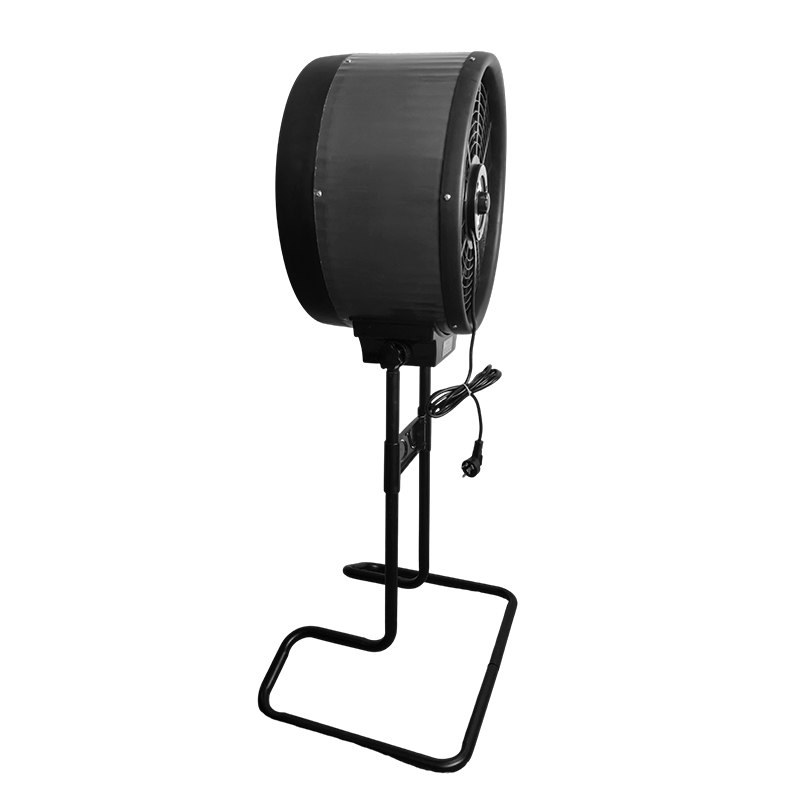
Industrial Wall Mounted Oscillating Fan
The Industrial Wall Mounted Oscillating Fan is a versatile and efficient cooling...
 Add: Plot 23, Huanglang Industrial Zone, Jinqing Town, Luqiao District, Taizhou City, Zhejiang Province
 TEL: +86-13586083215
Modern building management often requires a balance between indoor comfort and energy efficiency. EC Fan and Fresh Air Fan systems provide tools to support controlled airflow, helping maintain consistent indoor conditions while allowing automated climate adjustments. These systems offer flexibility for integrating sensors, timers, and control units that can adapt ventilation rates based on occupancy, temperature, and air quality.
EC Fans utilize electronically commutated motors, allowing precise adjustment of speed and airflow. When paired with smart controllers, these fans can respond automatically to environmental data, such as room temperature, CO₂ levels, or humidity. This eliminates the need for constant manual adjustments and helps ensure steady airflow in areas where conditions change frequently.
Smart control options can include:
Fresh Air Fans complement EC Fans by providing outdoor air exchange. When connected to smart controls, they can operate automatically to refresh indoor air based on occupancy or pollutant levels. This is particularly useful in spaces where natural ventilation is limited, such as interior offices, conference rooms, or multi-story buildings.
Automated Fresh Air Fans can:
These fans help maintain consistent air exchange without requiring frequent manual operation, supporting comfort and indoor air balance.
Effective use of EC Fans and Fresh Air Fans depends on careful placement and integration. Fans should be positioned to complement existing airflow patterns, avoid obstructions, and allow easy access for maintenance. In buildings with multiple zones, arranging fans to work together ensures uniform ventilation throughout the space.
Maintenance remains important even with automated systems. EC Fans benefit from periodic cleaning to remove dust from blades and motor components. Fresh Air Fans may require inspection of vents and filters to prevent airflow reduction. Smart control systems can also include alerts or notifications when maintenance is needed, supporting proactive facility management.
Implementing EC Fans and Fresh Air Fans with smart controls does not require extensive modifications. Ceiling, wall, or duct-mounted units can be used depending on space layout. In multi-zone buildings, coordination of multiple fans can help maintain uniform air movement and ensure that indoor air conditions adjust automatically according to occupancy and environmental changes.
Automated fans allow for flexible operation schedules, reduced need for manual monitoring, and potential energy savings by adjusting airflow to actual needs rather than running continuously at fixed speeds.
Yes, EC Fans are designed to function continuously, and smart controllers regulate operation based on environmental data, reducing unnecessary strain on motors.
Cleaning frequency depends on the environment. In areas with dust or pollen, monthly checks are recommended; in cleaner environments, every 2-3 months may suffice.
Fans respond to ventilation needs and may slightly influence indoor temperature, especially when outdoor air is introduced. Coordinating with HVAC systems helps maintain comfort.
Standalone smart controllers can often be installed by maintenance staff. Integration with building automation systems or complex HVAC setups may require professional installation.
Fresh Air Fans can assist by exchanging indoor air with outdoor air, which may help regulate humidity in moderate conditions. High humidity may still require additional dehumidification.
Variable speed control and occupancy-based operation allow EC and Fresh Air Fans to operate according to need, often reducing energy use compared with fixed-speed, continuous operation.

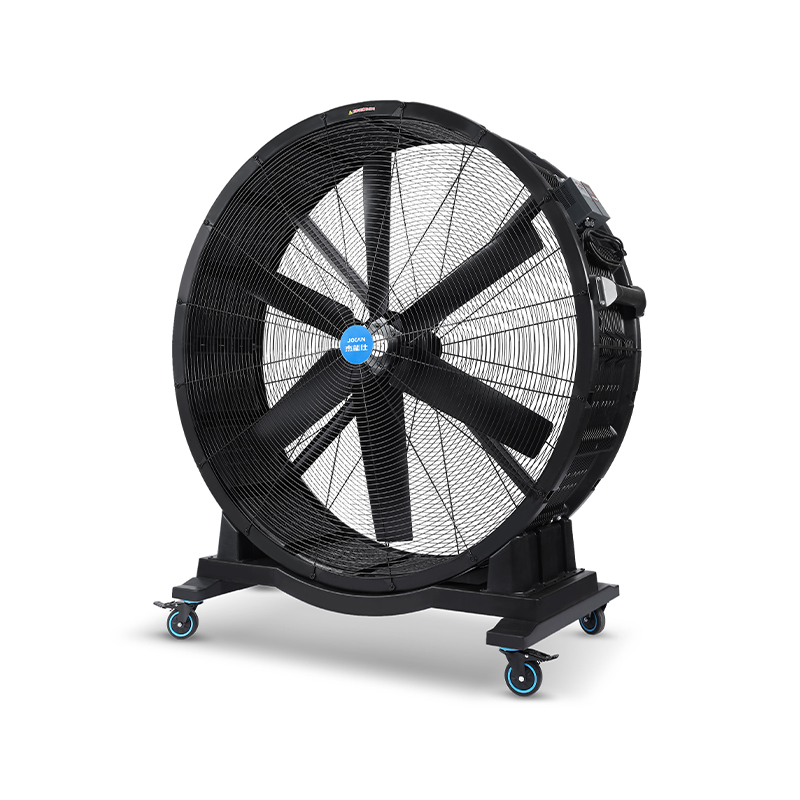
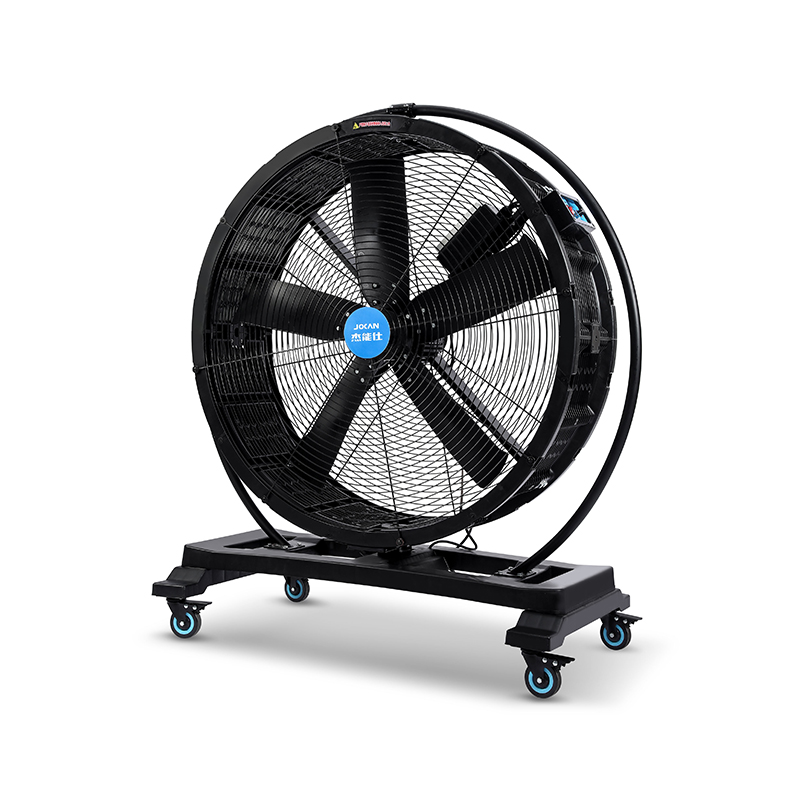
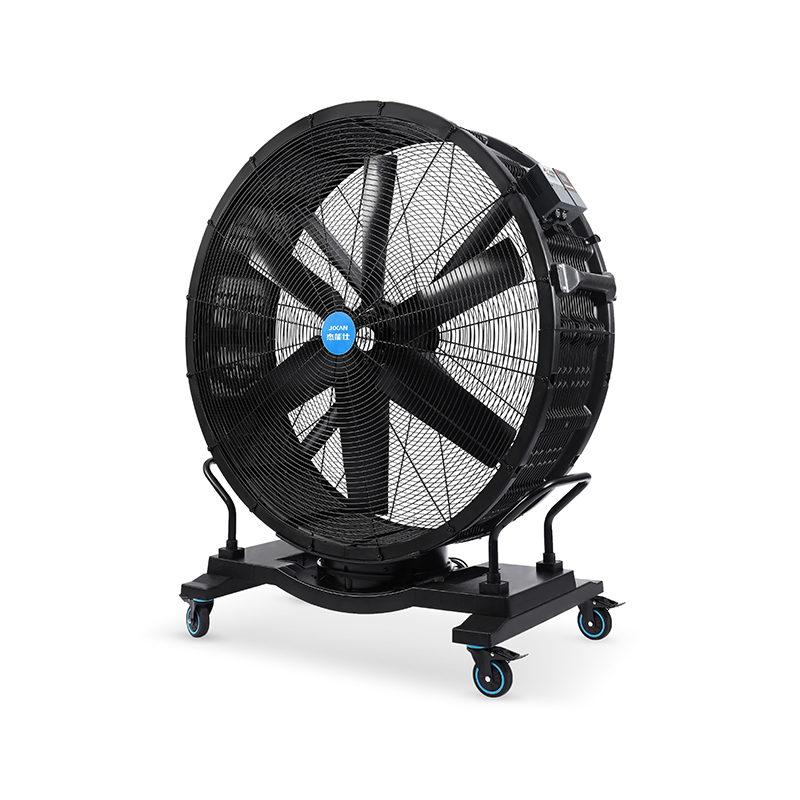

 Add: Plot 23, Huanglang Industrial Zone, Jinqing Town, Luqiao District, Taizhou City, Zhejiang Province
 Email: 39489814@qq.com
 Phone: +86-13586083215
Guided by our vision to "become the benchmark industrial fan creator and manufacturer," we have consistently innovated and advanced to establish our current industry leadership position.
Copyright © Taizhou Jiucang Electromechanical Co., Ltd.
All Rights Reserved.

China Large Silent Fans
