
 English
 English
 عربى
عربى 한국어
한국어
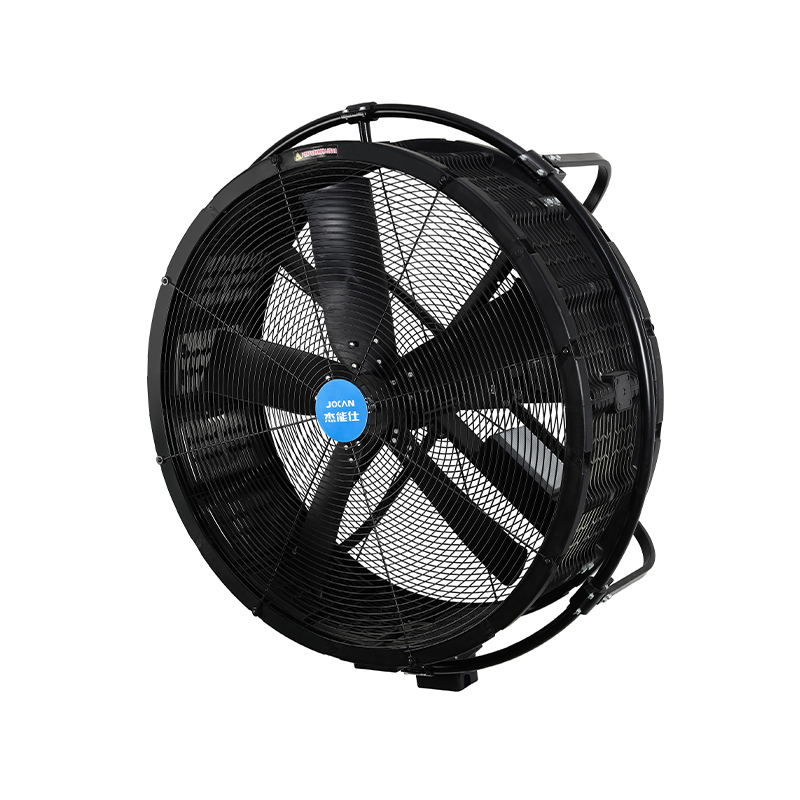
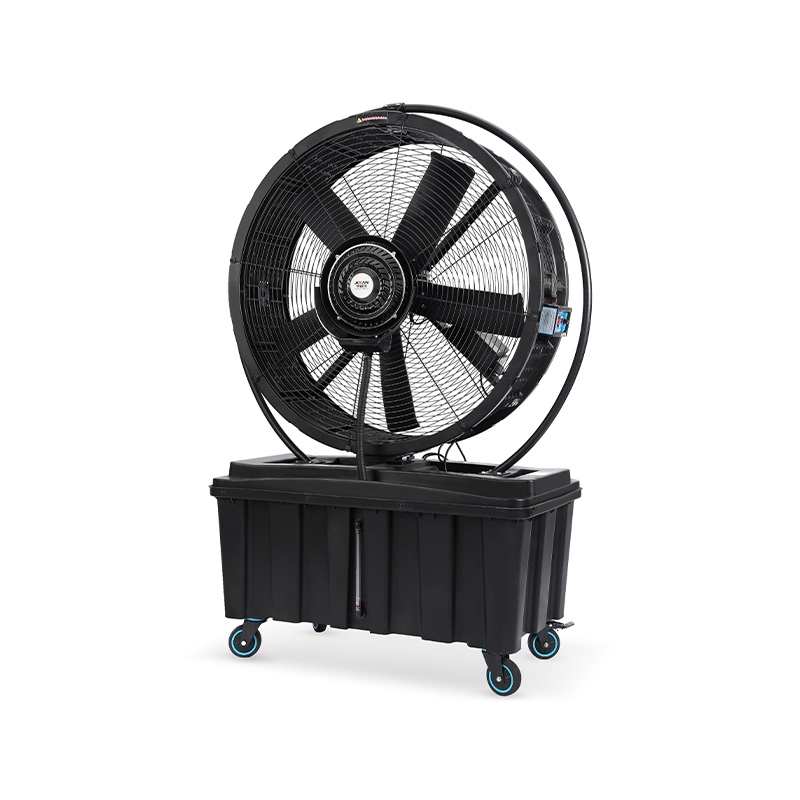
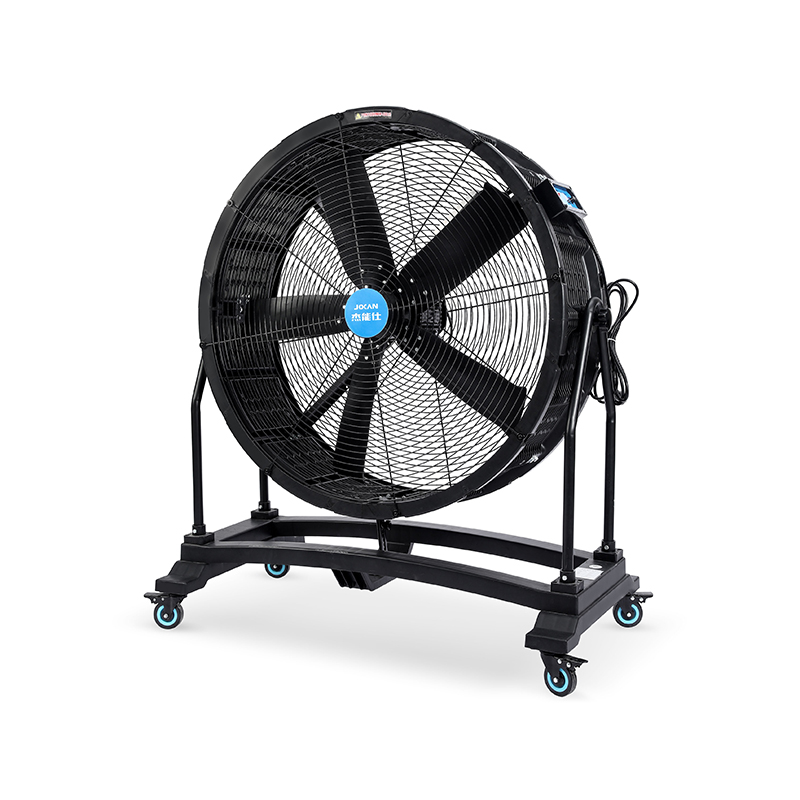
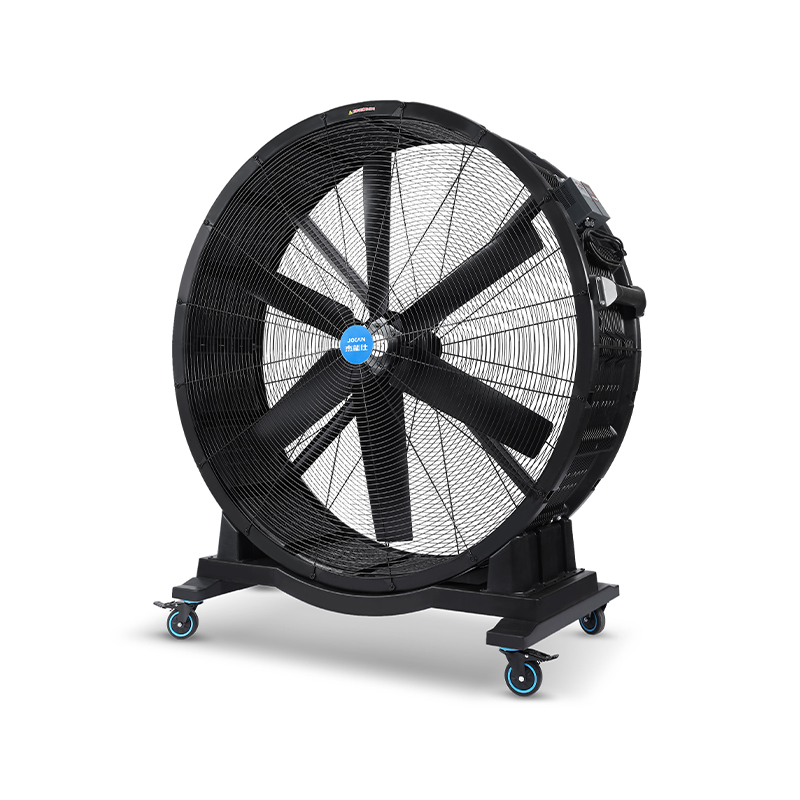
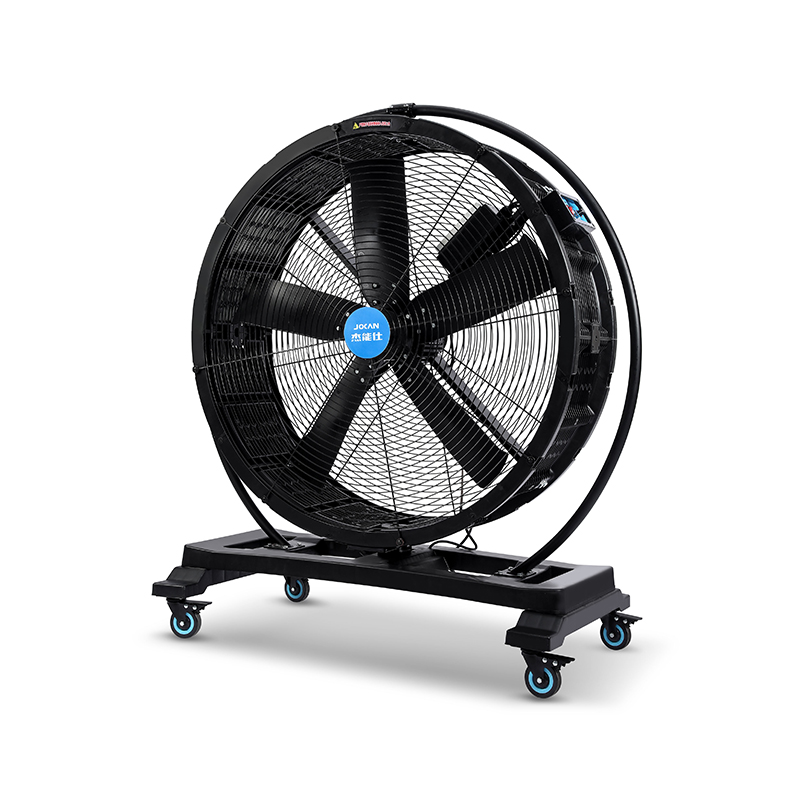
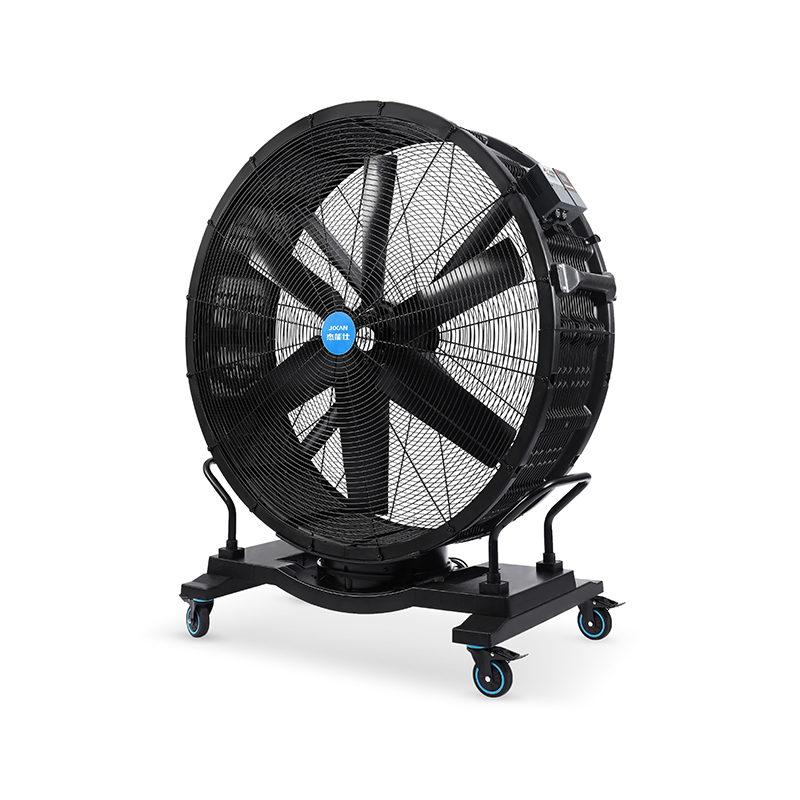
Industrial Wall Mounted Oscillating Fan
The Industrial Wall Mounted Oscillating Fan is a versatile and efficient cooling...
 Add: Plot 23, Huanglang Industrial Zone, Jinqing Town, Luqiao District, Taizhou City, Zhejiang Province
 TEL: +86-13586083215
Maintaining a steady flow of clean air indoors is an essential aspect of residential comfort. Devices such as an EC Fan and a Fresh Air Fan provide practical solutions to facilitate air movement in homes. These systems can help circulate outdoor air, reduce indoor pollutants, and maintain a comfortable atmosphere, especially in areas with limited natural ventilation. Understanding how these fans work and how to use them effectively can assist homeowners in making informed choices for their living spaces.
EC Fans, or electronically commutated fans, use a brushless DC motor controlled by an integrated electronic circuit. This allows for adjustable speed settings and energy-efficient operation. Unlike traditional AC fans, EC Fans offer precise control over airflow, which can be useful in maintaining consistent ventilation in various rooms.
One practical feature of EC Fans is their low power consumption relative to airflow performance. They can operate continuously without requiring frequent maintenance. In residential settings, EC Fans can be installed in HVAC systems or standalone units, ensuring that air moves steadily even when natural ventilation is insufficient.

Fresh Air Fans are designed to bring outdoor air into indoor spaces while removing stale air. This exchange supports a balanced indoor environment and can help regulate humidity levels. While they are not intended to replace comprehensive air filtration systems, they provide a simple and cost-effective method for improving airflow.
Proper installation of EC Fans and Fresh Air Fans is key to their effectiveness. Placement should consider the natural flow of air within a home. Avoid obstructing intake or exhaust areas, and ensure that fans are securely mounted. In cases where multiple fans are used, arranging them to complement the building’s layout helps maintain balanced ventilation throughout different zones.
Maintenance access is another important consideration. EC Fans benefit from periodic checks to remove dust buildup, while Fresh Air Fans may require occasional cleaning of filters or intake vents to sustain airflow quality.
Regular monitoring of indoor air quality can help homeowners identify when additional ventilation is needed. Devices such as basic anemometers or indoor air quality sensors can provide data on airflow, humidity, and particulate levels. Adjusting fan speed based on real-time measurements allows for practical energy use while maintaining a steady exchange of air.
|
Feature |
EC Fan |
Fresh Air Fan |
|
Motor Type |
Brushless DC (electronically controlled) |
Standard AC or DC |
|
Speed Control |
Variable, precise |
Fixed or adjustable |
|
Energy Consumption |
Moderate, efficient |
Low to moderate |
|
Typical Use |
Continuous ventilation in HVAC or standalone units |
Air exchange and ventilation improvement |
|
Maintenance |
Periodic dust cleaning |
Filter or vent cleaning |
Integrating EC Fans and Fresh Air Fans into a home environment does not require major modifications. Common areas for installation include kitchens, bathrooms, or rooms with limited window access. Ceiling or wall-mounted units are practical solutions where floor space is limited.
In multi-room setups, coordinating the operation of several fans can prevent areas of stagnation and ensure that fresh air circulates evenly. While fan placement and airflow rates can vary depending on room size and shape, combining different fan types allows for flexibility in addressing ventilation needs.
Cleaning frequency depends on environmental factors. In urban areas with dust or pollen, a monthly check is advisable. In cleaner environments, every 2-3 months may be sufficient.
Yes. EC Fans are designed for continuous operation, but routine dust removal helps maintain performance and avoid motor strain.
Bringing outdoor air inside may slightly affect temperature, particularly in extreme weather. Using fans alongside thermostats or HVAC systems can help maintain comfort.
For many standalone Fresh Air Fans, installation can be done by a homeowner with basic tools. EC Fans integrated into HVAC systems may require professional setup to ensure correct wiring and airflow optimization.


 Add: Plot 23, Huanglang Industrial Zone, Jinqing Town, Luqiao District, Taizhou City, Zhejiang Province
 Email: 39489814@qq.com
 Phone: +86-13586083215
Guided by our vision to "become the benchmark industrial fan creator and manufacturer," we have consistently innovated and advanced to establish our current industry leadership position.
Copyright © Taizhou Jiucang Electromechanical Co., Ltd.
All Rights Reserved.

China Large Silent Fans
