
 English
 English
 عربى
عربى 한국어
한국어
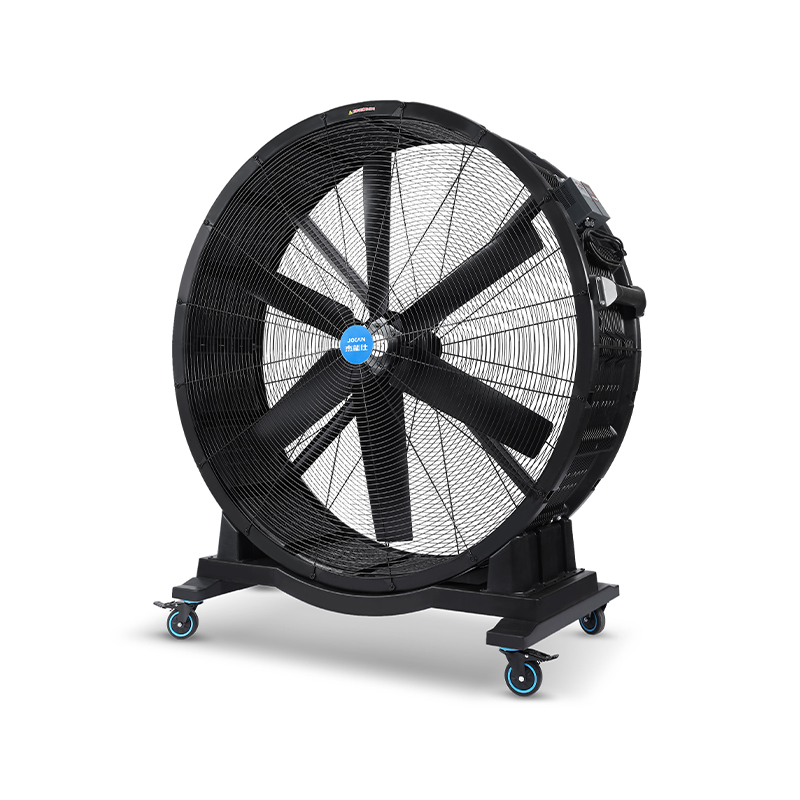
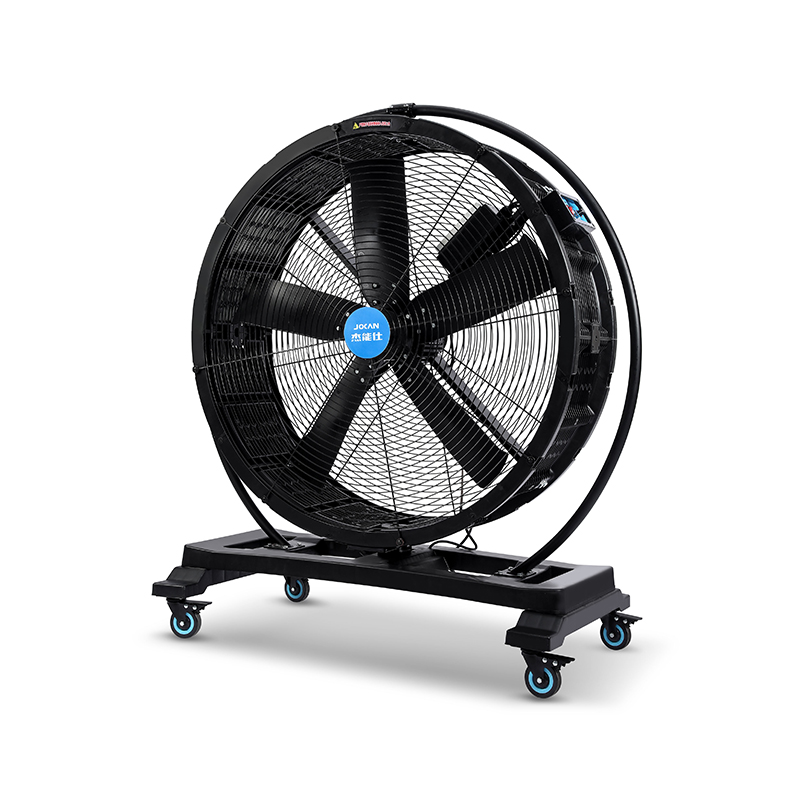
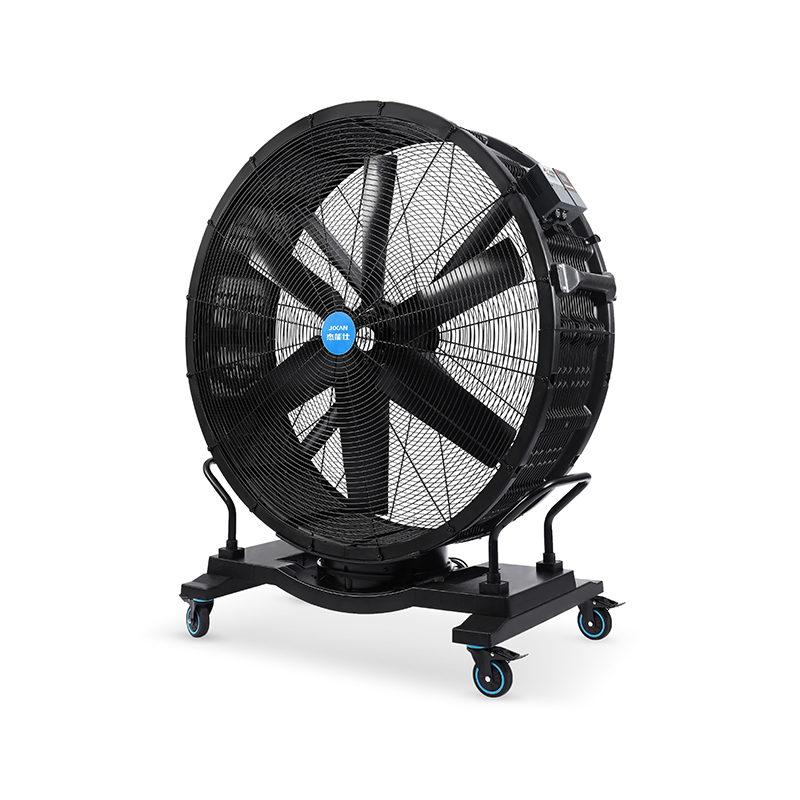
Industrial Wall Mounted Oscillating Fan
The Industrial Wall Mounted Oscillating Fan is a versatile and efficient cooling...
 Add: Plot 23, Huanglang Industrial Zone, Jinqing Town, Luqiao District, Taizhou City, Zhejiang Province
 TEL: +86-13586083215
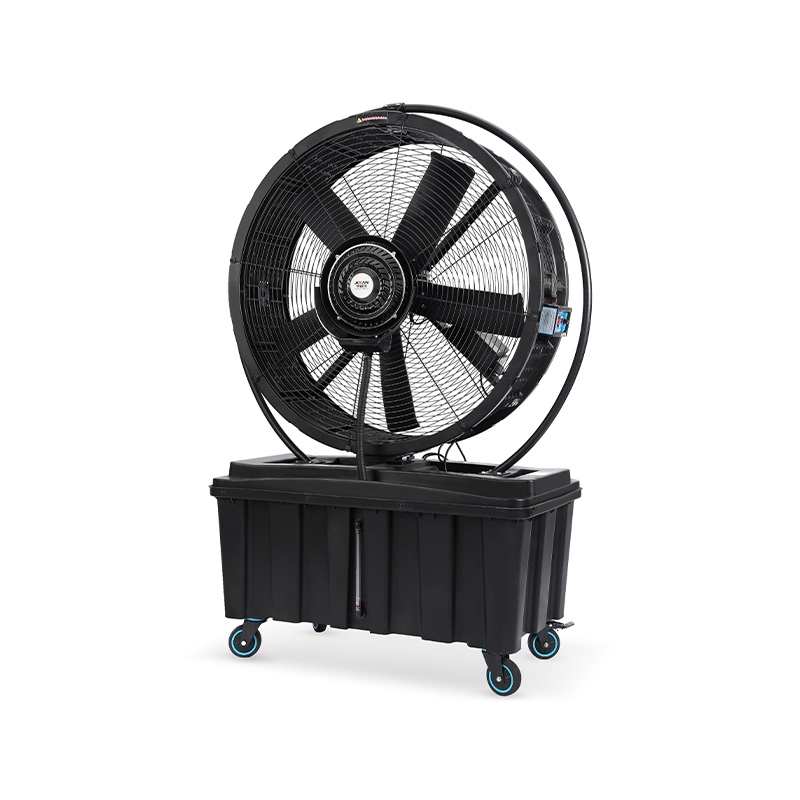
Shifting from silent temperature readings to expressive light cues has opened a new way of understanding indoor comfort. By combining a Water Mist Fan with smart sensing systems developed in collaboration with an Industrial Ceiling Fans Factory, environmental data such as temperature, humidity, and air quality can now be translated into ambient lighting signals. Instead of checking a screen or mobile application, occupants can interpret indoor conditions through changes in color and brightness. This approach not only improves interaction with climate control equipment but also encourages a more intuitive awareness of the surrounding environment.
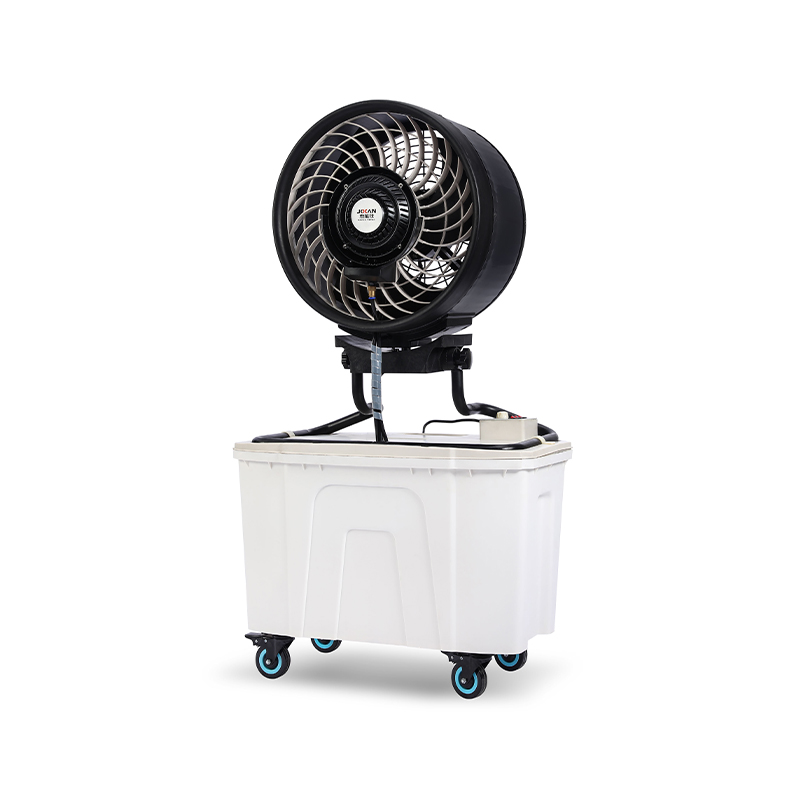
Indoor environmental data has traditionally been displayed numerically. Thermostats, hygrometers, and air quality monitors provide accurate information, yet users must actively check them. When a fan system integrates sensors and programmable lighting, environmental changes become immediately noticeable. For example, cooler air conditions may be shown in soft blue tones, while warmer temperatures shift toward amber or light red. Elevated humidity levels might appear as deeper hues, and changes in air quality can trigger subtle color transitions or brightness variations.
This visual language allows occupants to recognize patterns without interpreting numbers. If the lighting gradually shifts during the day, users can sense that ventilation or mist output requires adjustment. In offices, workshops, or residential spaces, this real-time feedback reduces guesswork and encourages more timely responses to environmental shifts.
The integration of misting fans with color-responsive lighting offers measurable benefits across multiple environments. In homes, living rooms and bedrooms often experience fluctuations due to cooking, showering, or outdoor weather conditions. A mist fan equipped with humidity detection can subtly adjust mist intensity while signaling moisture levels through ambient color. This supports a balanced indoor atmosphere without constant manual monitoring.
In commercial environments such as cafes, fitness studios, and co-working spaces, comfort directly affects user experience. A ceiling-mounted mist fan with visible light feedback enables staff to quickly assess air conditions. Instead of consulting wall-mounted displays, employees can observe lighting tones to determine whether airflow or mist volume needs adjustment. This approach can help maintain a comfortable setting for customers while simplifying operational routines.
Industrial workshops and semi-open warehouses also benefit from this combination. Larger ceiling fans designed by an Industrial Ceiling Fans Factory often focus on air circulation efficiency and coverage. When integrated with environmental sensors and lighting cues, these systems provide additional awareness of air movement performance, helping operators respond to temperature buildup or ventilation limitations in real time.
Energy management often depends on understanding how indoor conditions fluctuate throughout the day. By translating sensor readings into color-coded feedback, occupants gain a clearer perception of environmental trends. For instance, if the ambient light frequently shifts toward warmer tones during peak afternoon hours, this may indicate solar heat gain through windows. Users can then adjust shading, ventilation timing, or mist cycles accordingly.
Because the system communicates visually, it reduces the need for frequent digital checks. Over time, this may encourage more thoughtful operation of cooling equipment. Rather than relying on fixed schedules, users respond to actual conditions. This responsive approach can contribute to balanced energy use without complex controls.
When integrating a Water Mist Fan with smart lighting and sensor systems, several technical factors should be reviewed. Compatibility between fan motors, mist modules, and lighting controls ensures stable operation. Many large-scale ceiling fans use DC or energy-saving motor systems that allow variable speed adjustment. These motors can interface with digital control boards that also manage LED lighting modules.
Placement plays a significant role in data accuracy. Sensors should be positioned where airflow is representative of the room rather than directly in front of mist outlets. If humidity sensors are exposed to concentrated mist, readings may not reflect overall room conditions. Coordinated placement between fan blades, mist nozzles, and sensing units supports more consistent environmental feedback.
Power supply design also matters. Integrated systems that combine motor drive, mist pump, sensor array, and lighting components require organized wiring and protective enclosures. For commercial or industrial installations, coordination with facility electrical planning helps avoid signal interference and supports maintenance access.


 Add: Plot 23, Huanglang Industrial Zone, Jinqing Town, Luqiao District, Taizhou City, Zhejiang Province
 Email: 39489814@qq.com
 Phone: +86-13586083215
Guided by our vision to "become the benchmark industrial fan creator and manufacturer," we have consistently innovated and advanced to establish our current industry leadership position.
Copyright © Taizhou Jiucang Electromechanical Co., Ltd.
All Rights Reserved.

China Large Silent Fans
