
 English
 English
 عربى
 한국어

Industrial Wall Mounted Oscillating Fan
The Industrial Wall Mounted Oscillating Fan is a versatile and efficient cooling...
 Add: Plot 23, Huanglang Industrial Zone, Jinqing Town, Luqiao District, Taizhou City, Zhejiang Province
 TEL: +86-13586083215
Indoor ventilation has become an important consideration in residential buildings, offices, retail spaces, and commercial facilities. A suitable ventilation system helps introduce outdoor air while supporting the building's overall air distribution strategy. However, selecting equipment based only on advertised airflow can lead to problems such as insufficient ventilation at the point of use, excessive operating noise, or unexpected installation constraints. For overseas buyers comparing products from a Fresh Air Fan Factory, the more practical approach is to evaluate airflow requirements, duct resistance, energy use, installation space, and maintenance access together.
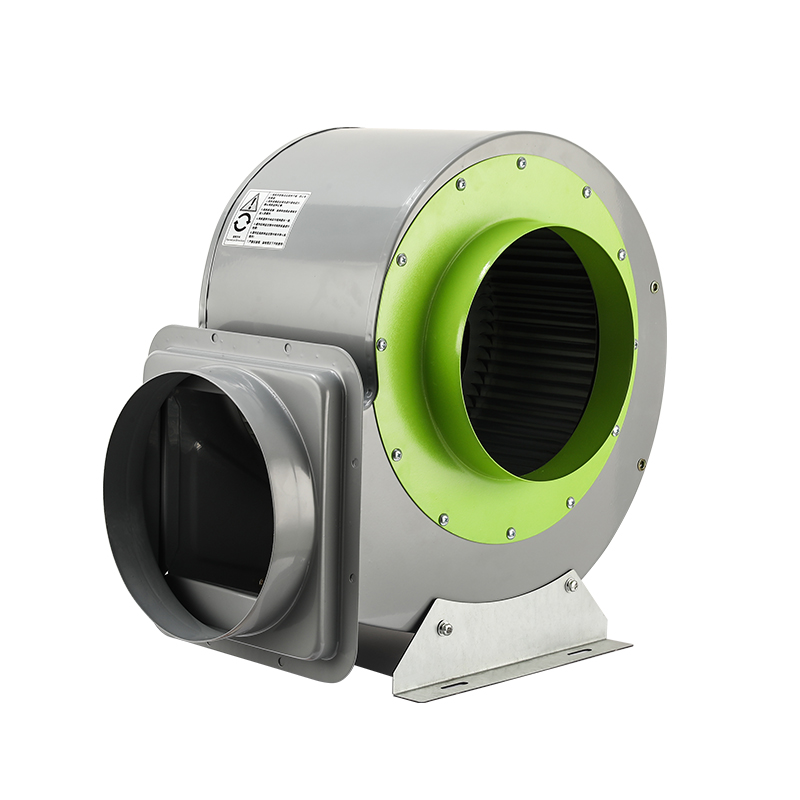
The required airflow depends on how a building is used, how many people occupy it, and the ventilation approach specified for the project. A small room, an open office, and a commercial facility may have very different requirements even when their floor areas appear similar.
Engineers should establish the required outdoor air volume before selecting a fan model. They should also consider whether ventilation needs vary by room or operating schedule. Choosing a fan with an unsuitable airflow range can make it difficult to achieve the intended ventilation performance after installation.
For distributors and contractors, collecting basic project information early helps narrow the available options and reduces the risk of selecting equipment that does not match the application.
A fan's published airflow value does not necessarily represent the volume of air it will deliver in a completed installation. Duct length, bends, filters, grilles, and other components create resistance that affects actual operating performance.
When reviewing a fresh air ventilation fan, buyers should check the fan's airflow and pressure characteristics together. The selected operating point needs to suit the resistance of the connected system rather than relying on a free-air rating alone.
This is particularly relevant for projects involving long duct runs or several air outlets. Confirming the expected system resistance with the design team can help avoid ventilation shortfalls and unnecessary fan noise.
Fresh air systems may include filters to reduce the entry of airborne particles, depending on the building's requirements and outdoor conditions. However, filtration also affects airflow resistance, and the pressure drop can increase as a filter collects particles.
Buyers should therefore confirm the intended filter type, replacement method, and available space for maintenance. The fan must be compatible with the resistance introduced by the selected filtration arrangement. Filter performance should also be evaluated according to the project's actual air-quality objectives rather than assuming that every fresh air unit provides the same level of particle removal.
Ventilation equipment often operates for extended periods, so noise and electricity consumption can influence long-term user satisfaction. Noise may result from the fan itself, vibration transferred through the mounting structure, turbulent airflow, or poorly designed duct connections.
During equipment selection, consider:
These factors should be considered as a complete system. Selecting a quieter fan alone may not resolve noise caused by restrictive ductwork or unsuitable installation.
A ventilation unit should fit the available installation space and remain accessible for routine inspection. Ceiling voids, service cupboards, and mechanical rooms may impose limits on dimensions, connection positions, and access clearance.
Before ordering, contractors should verify mounting orientation, duct connection sizes, electrical requirements, filter access, and the space needed to remove serviceable components. Clear installation documentation can help reduce on-site adjustments and make handover more straightforward.
Maintenance planning is equally important. Filters, fan components, and other serviceable parts should be accessible according to the manufacturer's instructions so that routine checks can be completed without unnecessary disruption.
For overseas distributors and project buyers, product consistency and documentation matter alongside technical performance. Specifications should identify the rated airflow, available pressure performance, electrical supply, dimensions, connection details, operating conditions, and applicable test information.
When comparing suppliers, buyers should confirm that quoted specifications refer to comparable testing conditions. They should also clarify packaging, labeling, sample approval, and any project-specific requirements before production or shipment. These steps make it easier to compare quotations on a consistent basis and manage repeat orders.
A reliable Fresh Air Fan Factory should help buyers assess the intended application, installation constraints, airflow target, and system resistance before recommending a suitable configuration. Rather than choosing a model from one headline figure, overseas procurement teams can provide duct information, room usage, filtration requirements, and electrical details to support a more accurate product evaluation. Matching the fan to the complete ventilation system helps create a practical basis for installation, commissioning, and ongoing maintenance.


 Add: Plot 23, Huanglang Industrial Zone, Jinqing Town, Luqiao District, Taizhou City, Zhejiang Province
 Email: 39489814@qq.com
 Phone: +86-13586083215
Guided by our vision to "become the benchmark industrial fan creator and manufacturer," we have consistently innovated and advanced to establish our current industry leadership position.
Copyright © Taizhou Jiucang Electromechanical Co., Ltd.
All Rights Reserved.

China Large Silent Fans
