
 English
 English
 عربى
 한국어

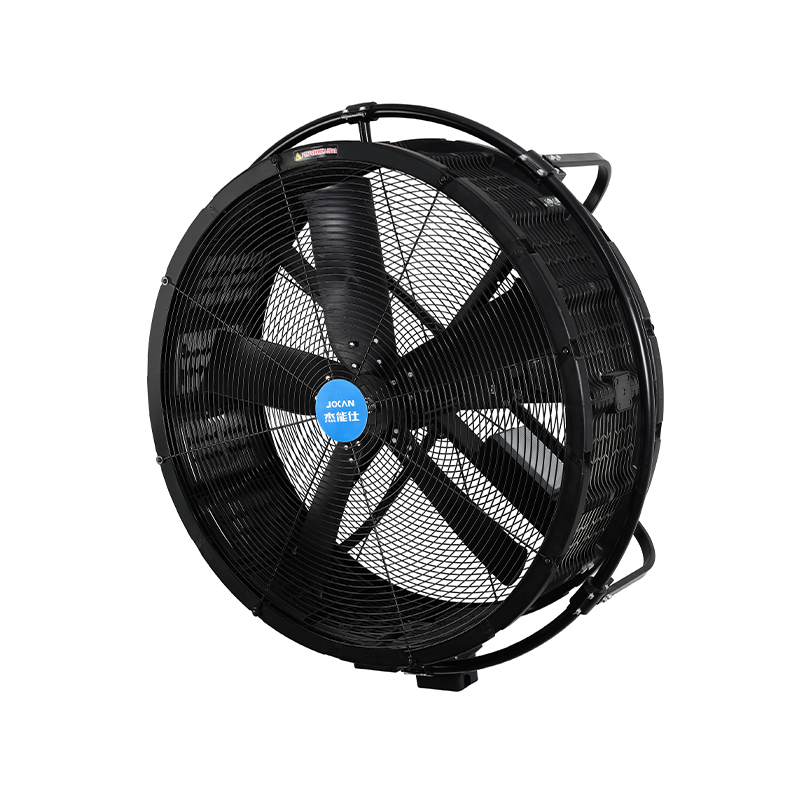
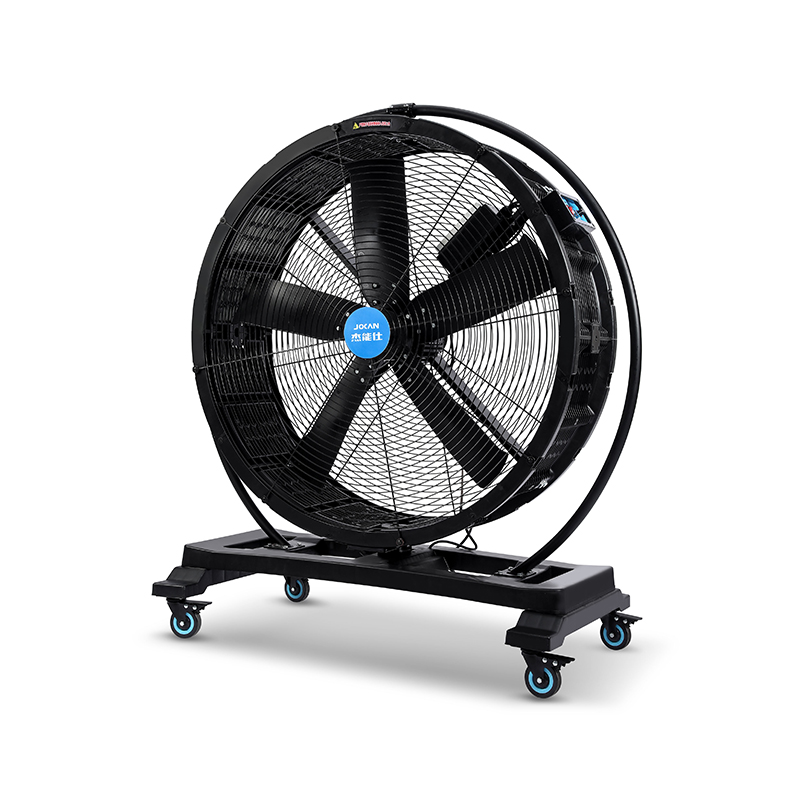
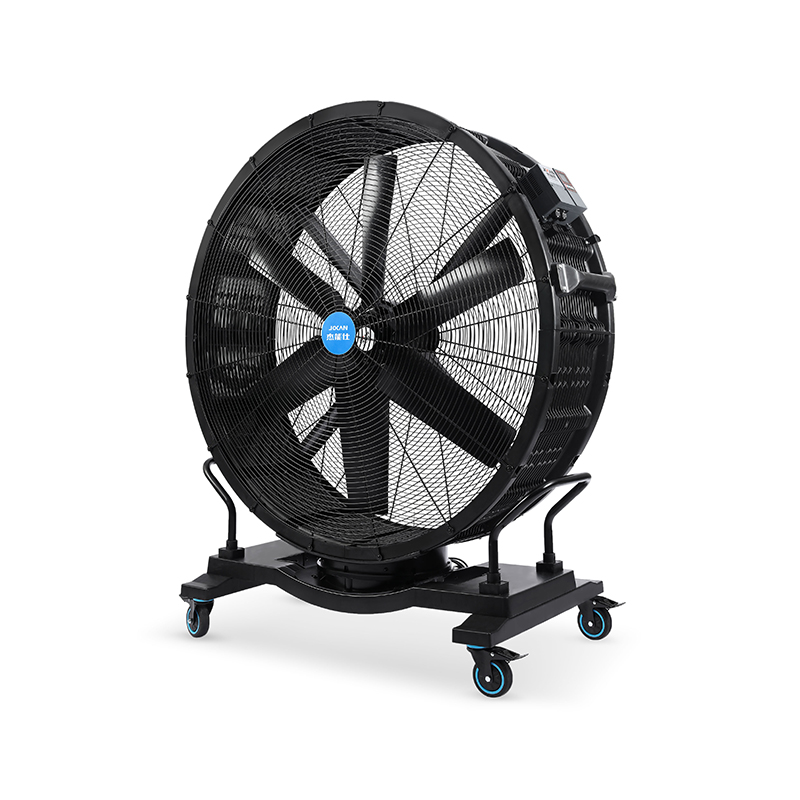
Industrial Wall Mounted Oscillating Fan
The Industrial Wall Mounted Oscillating Fan is a versatile and efficient cooling...
 Add: Plot 23, Huanglang Industrial Zone, Jinqing Town, Luqiao District, Taizhou City, Zhejiang Province
 TEL: +86-13586083215
Maintaining comfortable working conditions in large industrial buildings is not simply a matter of installing more ventilation equipment. Warehouses, manufacturing plants, distribution centers, and logistics facilities often have high ceilings and wide floor areas, making air movement difficult to manage. Poor airflow can leave certain work zones feeling stagnant while other areas receive unnecessary air movement. For facility managers and engineering contractors, selecting equipment from an experienced Industrial Ceiling Fans Factory is one way to address these challenges through a more considered ventilation layout. The key is to match fan performance, installation position, building structure, and operating requirements to the actual space.

A large building may have sufficient ventilation equipment but still experience uneven air movement. Racking systems, production machinery, partitions, and differences in ceiling height can influence how air circulates.
Before choosing industrial ceiling fans, project teams should identify areas where air movement is insufficient and consider how people, equipment, and stored materials are arranged. A warehouse with tall storage racks, for example, may require a different fan layout from an open manufacturing workshop.
A basic site assessment should consider floor area, ceiling height, structural obstructions, existing ventilation systems, and the location of regularly occupied workstations. This information provides a more useful starting point than selecting fans according to building size alone.
Industrial ceiling fans are designed for larger spaces, but fan dimensions and installation arrangements still need to match the building. A fan that is poorly positioned may create overlapping airflow in one area while leaving another section inadequately served.
For procurement teams, it is important to review the intended coverage area, mounting height, blade clearance, and distance between fans. Structural beams, lighting fixtures, sprinkler systems, and overhead equipment must also be considered before installation.
Manufacturers can help buyers evaluate product configurations according to the available building information. Sharing layout drawings and ceiling measurements during the quotation stage makes technical discussions more specific and helps avoid unsuitable selections.
Energy management remains an important concern for industrial facility operators. Ventilation equipment may operate for extended periods, so buyers need to consider both airflow requirements and the electrical characteristics of the fan.
Rather than focusing only on motor power, engineers should evaluate how the equipment will operate within the complete ventilation arrangement. Appropriate fan selection, operating schedules, and control settings can help avoid unnecessary operation when certain areas are unoccupied or do not require the same airflow conditions.
For projects with multiple fans, it is also useful to consider whether different zones need independent control. This can make operation more adaptable to changing production schedules and seasonal conditions.
Industrial ceiling fans are installed in environments where mounting safety and electrical compatibility require careful planning. The supporting structure must be suitable for the fan's weight and operating conditions, while the installation method should follow the manufacturer's requirements and applicable local regulations.
Before confirming an order, buyers and contractors should verify:
Early coordination between the fan supplier, electrical contractor, and building team can reduce installation changes and help keep the project organized.
Air movement is only one part of the workplace experience. In facilities where employees spend long hours working beneath ceiling equipment, operating noise and vibration can also influence equipment selection.
Noise performance may be affected by motor design, blade balance, installation quality, and operating conditions. Buyers should therefore review the manufacturer's technical information and consider the actual environment where the fans will be used.
For production areas requiring communication between workers or spaces with office functions, the location and operating speed of industrial fans deserve additional attention. Selecting equipment according to the working environment can help balance ventilation needs with workplace comfort.
Industrial ventilation equipment is often expected to operate regularly, making maintenance access an important part of project planning. Dust accumulation, loose connections, component wear, and changes in operating conditions should be considered within a routine inspection program.
Facility managers should understand the recommended inspection procedures, available replacement components, and service requirements before purchasing. Installation records and product documentation can also help maintenance teams identify the correct equipment when servicing is required.
A manufacturer that provides clear technical information makes it easier for distributors and end users to plan equipment management beyond the initial installation.
Choosing industrial ventilation equipment involves more than comparing product photographs or headline specifications. Buyers need to understand how fan design, motor configuration, mounting requirements, control options, and building conditions work together.
Taizhou Jiucang Electromechanical Co., Ltd. approaches industrial fan manufacturing from the perspective of practical application and product configuration. When evaluating an Industrial Ceiling Fans Factory, overseas buyers should communicate their building dimensions, installation conditions, electrical requirements, and expected operating environment. This allows the manufacturer to discuss suitable product options based on the project rather than relying on assumptions. With careful selection and installation planning, industrial ceiling fans can become a practical part of a building's overall airflow management strategy.


 Add: Plot 23, Huanglang Industrial Zone, Jinqing Town, Luqiao District, Taizhou City, Zhejiang Province
 Email: 39489814@qq.com
 Phone: +86-13586083215
Guided by our vision to "become the benchmark industrial fan creator and manufacturer," we have consistently innovated and advanced to establish our current industry leadership position.
Copyright © Taizhou Jiucang Electromechanical Co., Ltd.
All Rights Reserved.

China Large Silent Fans
