
 English
 English
 عربى
عربى 한국어
한국어
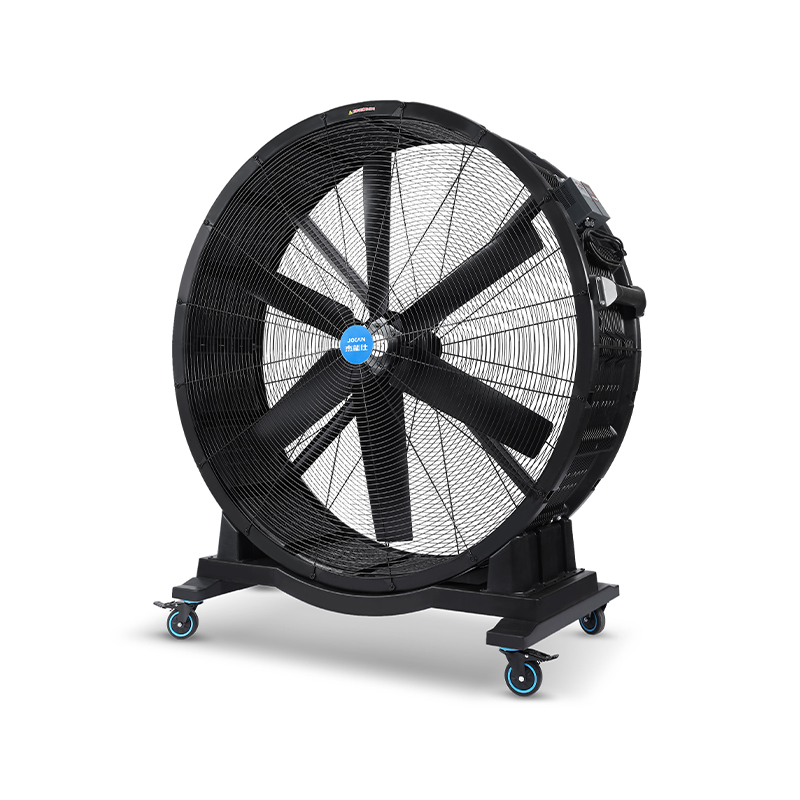
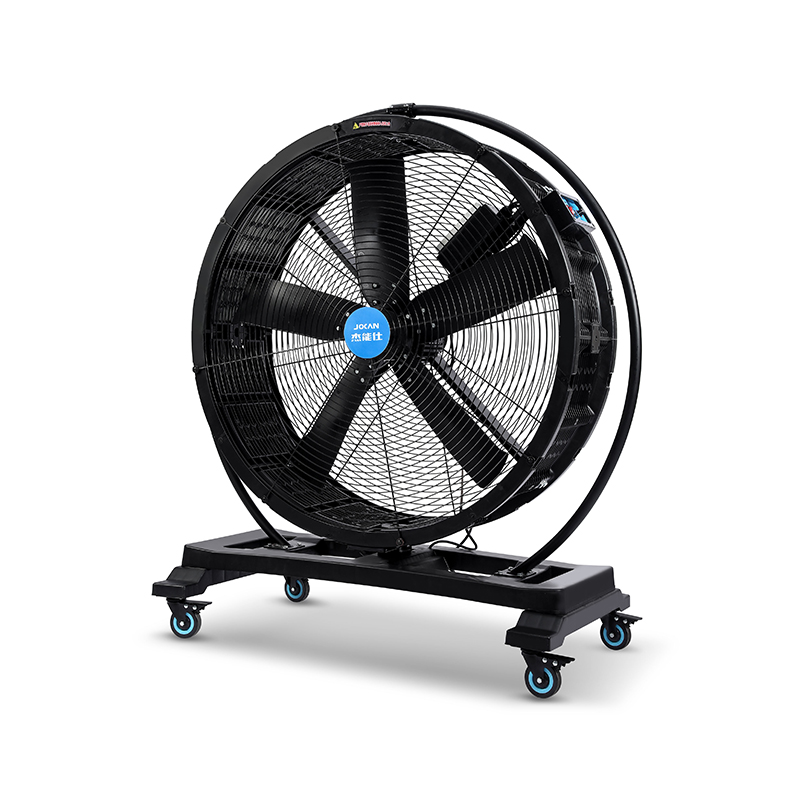
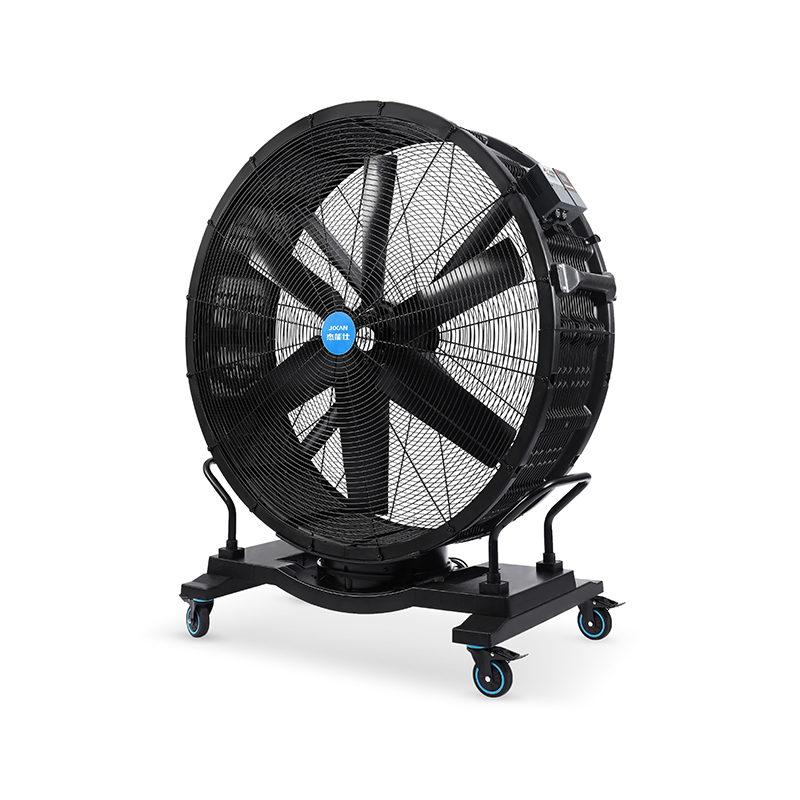
Industrial Wall Mounted Oscillating Fan
The Industrial Wall Mounted Oscillating Fan is a versatile and efficient cooling...
 Add: Plot 23, Huanglang Industrial Zone, Jinqing Town, Luqiao District, Taizhou City, Zhejiang Province
 TEL: +86-13586083215
Office environments require air circulation that supports comfort without disrupting focus or conversations. Factories producing floor fans and fresh air fans contribute by offering devices suited to these settings. A floor fan factory designs units that move air effectively while addressing noise concerns common in workplaces. These fans, often placed on the floor or low stands, provide targeted airflow in shared spaces. Fresh air fans complement this by introducing outdoor air, but floor fans handle internal distribution where quiet performance matters during meetings, calls, or individual work.
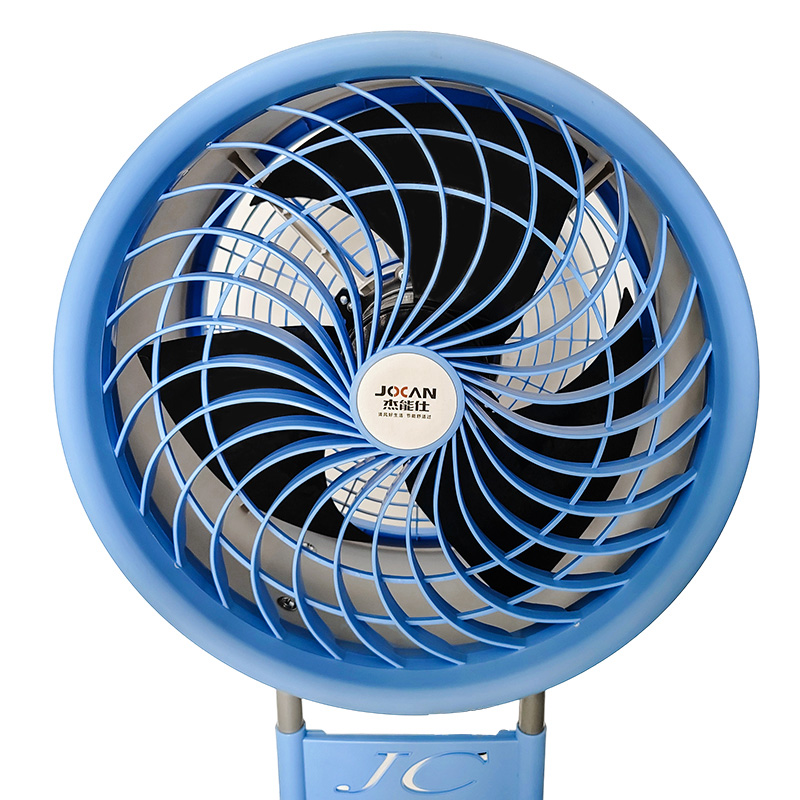
Fan noise typically comes from several sources, including motor operation, blade movement through air, and vibrations from the unit or surface it sits on. Higher speeds increase turbulence as blades push air faster, raising sound levels. Mechanical elements like bearings can add hums or rattles if not maintained. In offices, background noise from computers, phones, and people already exists, so additional fan sound can become noticeable. Floor fan factories address this through design choices that influence how air moves and how components interact. For example, blade shapes and angles affect airflow smoothness—designs that reduce sharp turbulence tend to produce less audible whooshing. Motor types also play a part; some run with less vibration at lower speeds. Understanding these factors helps users select and position fans to keep noise in check.
Modern floor fans incorporate elements aimed at reducing sound output. Variable speed controls allow adjustment from high to low settings, where slower rotation often results in quieter performance while still providing circulation. Larger blade diameters can move similar air volumes at reduced speeds compared to smaller fans running faster, which cuts down on turbulence noise.Some models use enclosed housings or grilles that direct air without creating excessive whistle-like sounds. In practice, these features mean a fan on a medium setting might operate at levels comparable to normal conversation, making it suitable for open-plan offices or private cubicles. Users can check product specifications for decibel ratings, often listed for different speeds, to compare options before purchase.
Where a floor fan sits influences how noise travels in an office. Positioning away from hard surfaces like walls or glass partitions prevents sound reflection that amplifies perceived volume. Placing the fan on carpeted areas or using rubber pads under the base absorbs vibrations better than on tile or hardwood. In shared spaces, directing airflow toward people rather than across empty desks avoids unnecessary circulation that might carry sound further. For conference rooms, setting the fan behind participants or in corners can distribute air without directing it straight at ears. Testing different locations during off-hours lets users observe noise changes—sometimes shifting a few feet reduces echo or direct exposure. This approach helps integrate the fan without it becoming a distraction.
Running a floor fan at lower speeds often provides sufficient air movement for comfort while keeping noise down. In offices with moderate heat, a low or medium setting might suffice during, reserving higher speeds for brief periods like after lunch when temperatures rise. Programmable timers or manual schedules allow operation only when needed, such as during peak occupancy. Combining with natural ventilation—opening windows briefly when outdoor conditions allow—reduces reliance on the fan alone. For individual workstations, pointing the fan slightly upward or oscillating it spreads air more evenly without concentrating flow in one spot, which can lessen localized noise. Users report that these habits make fans feel less intrusive over long work hours.
Regular care prevents noise increases over time. Dust buildup on blades or grilles creates imbalance, causing extra vibration and sound. Cleaning these parts every few months with a soft brush or cloth keeps airflow smooth. Checking for loose screws or worn feet ensures the unit stays stable on the floor. Lubricating bearings if the model allows reduces friction-related hums. In dusty office environments, more frequent checks help maintain consistent performance. Addressing small issues early, like tightening components or replacing worn pads, supports steady, quieter operation without major interruptions.
Office layouts vary, from open plans to private rooms, and floor fans adapt accordingly. In cubicle setups, a compact model under a desk circulates air locally without affecting neighbors much. For larger areas, taller pedestal-style floor fans reach higher and cover more space at moderate speeds. Avoiding placement near noise-sensitive zones like phone booths or meeting pods prevents added disruption. Pairing with acoustic panels or soft furnishings in the room can further dampen any residual sound. This customization fits the fan into daily routines without requiring structural changes.


 Add: Plot 23, Huanglang Industrial Zone, Jinqing Town, Luqiao District, Taizhou City, Zhejiang Province
 Email: 39489814@qq.com
 Phone: +86-13586083215
Guided by our vision to "become the benchmark industrial fan creator and manufacturer," we have consistently innovated and advanced to establish our current industry leadership position.
Copyright © Taizhou Jiucang Electromechanical Co., Ltd.
All Rights Reserved.

China Large Silent Fans
