
 English
 English
 عربى
عربى 한국어
한국어
Industrial Wall Mounted Oscillating Fan
The Industrial Wall Mounted Oscillating Fan is a versatile and efficient cooling...
 Add: Plot 23, Huanglang Industrial Zone, Jinqing Town, Luqiao District, Taizhou City, Zhejiang Province
 TEL: +86-13586083215
Basements often have limited natural airflow due to their below-ground position, enclosed walls, and few or small windows. This setup can result in stagnant air, higher humidity, and buildup of odors or moisture-related issues. Factories that produce fresh air fans and floor fans provide equipment to help address these conditions. A fresh air fan factory offers units designed to bring in outdoor air, supporting exchange in enclosed spaces. Floor fans from a floor fan factory assist by moving air internally, helping distribute that incoming air throughout the basement area.
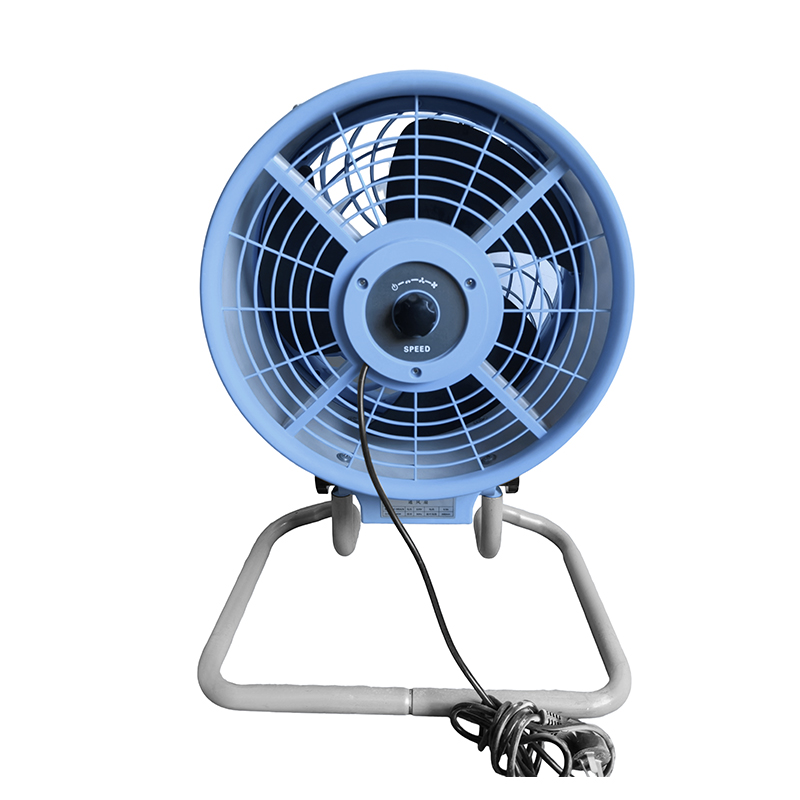
Basements tend to stay cooler than upper levels, which can cause condensation when warmer, humid air enters or when moisture from the ground or leaks persists. Poor circulation leaves pockets of still air where humidity accumulates, contributing to musty smells and potential mold growth in damp spots. Limited windows restrict natural ventilation, and sealed construction in many homes reduces overall air exchange. These factors make basements prone to feeling stuffy, especially in finished spaces used for storage, recreation, or living. Fresh air fans introduce outdoor air to replace stale indoor air, while floor fans prevent stagnation by keeping air in motion across rooms or corners.
Fresh air fans pull in air from outside through vents, windows, or dedicated intakes, helping to refresh the basement atmosphere. In practice, these fans can operate as supply units that bring drier outdoor air when external humidity is lower, or they work in tandem with exhaust systems to create balanced flow. For basements with small or few windows, a wall-mounted or ducted fresh air fan provides a controlled way to introduce air without relying solely on natural openings. Users should check local outdoor air quality and humidity before running the fan—during drier periods or cooler times of day, incoming air can help reduce indoor moisture levels. Positioning the intake away from ground-level sources like soil vents or driveways avoids pulling in unwanted particles. Pairing the fan with basic filters captures dust or pollen from outside, maintaining cleaner circulation over time.
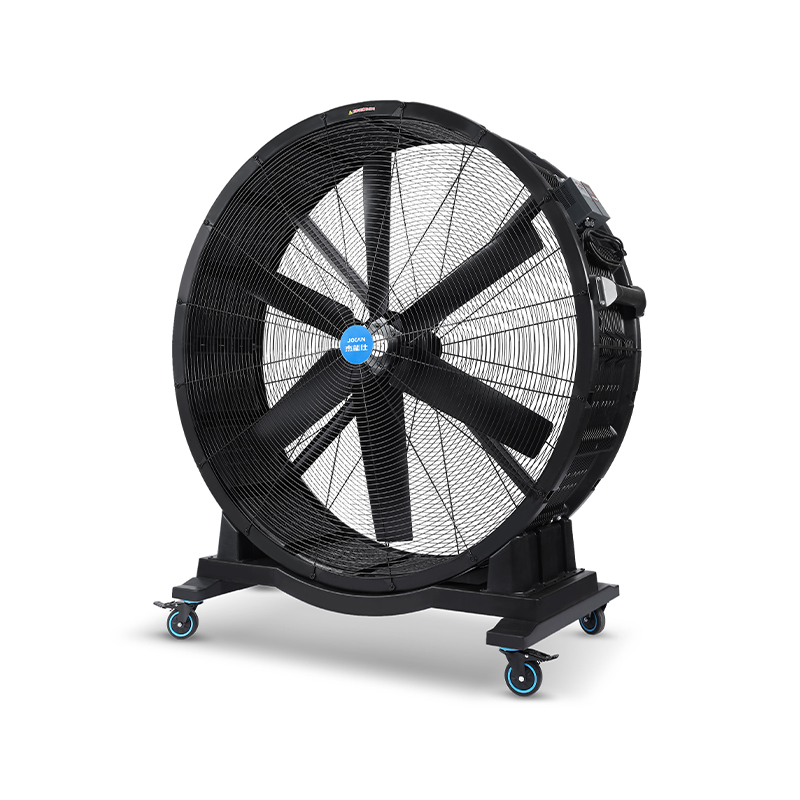
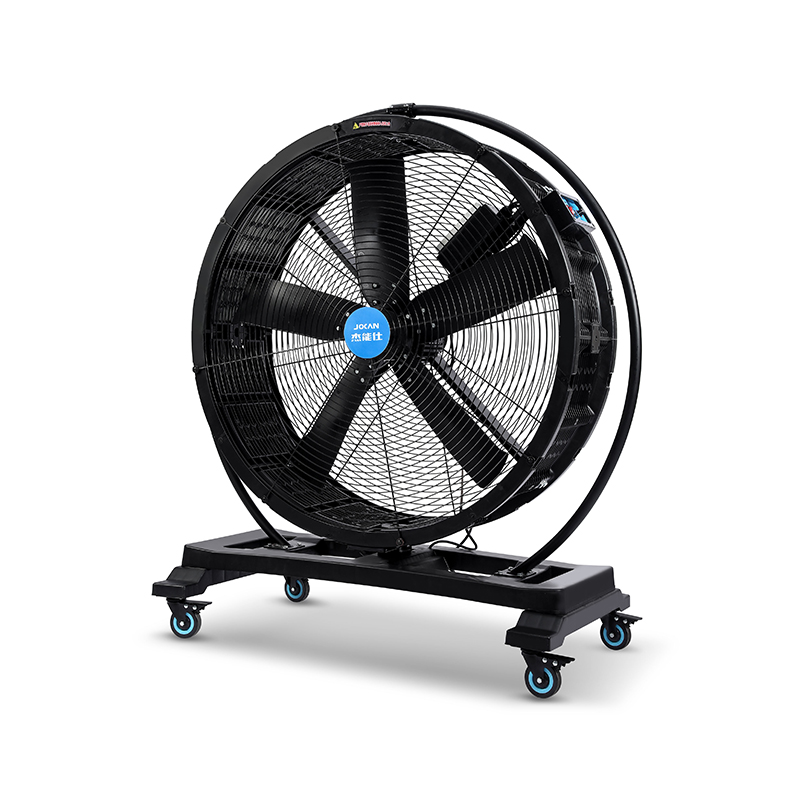
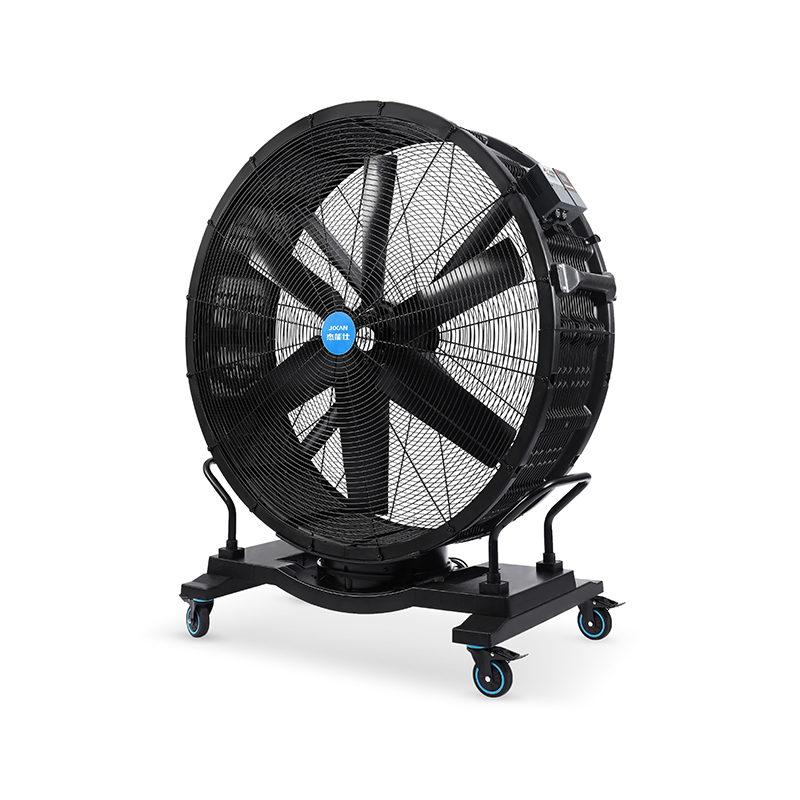
Floor fans circulate air within the basement, directing flow to areas where stagnation occurs, such as behind furniture, in corners, or under stairs. Portable models allow flexible placement—setting one near a fresh air intake can push incoming air deeper into the space, while another in a far room pulls it through. In larger basements, multiple floor fans create cross-ventilation patterns; one blows toward a central area while another directs air outward or upward. Oscillating options cover more ground without constant repositioning. For finished basements with partitions or furniture, placing fans at floor level helps move heavier, cooler air that tends to settle. Users can test setups by feeling for drafts or using simple tools like tissue paper to see airflow direction, adjusting positions for even coverage.
Keeping fans clean supports steady airflow. Dust on blades or grilles reduces efficiency and can increase noise over time; wipe them down every few months or more often in dusty basements. For fresh air fans with filters, inspect and replace as needed—typically every three to six months depending on local conditions. Check for loose parts or unusual sounds in motors, tightening screws or lubricating if the model permits. Floor fans require similar care: clean bases to prevent tipping and ensure stable operation. In humid environments, dry any moisture inside units after use to avoid internal buildup. Scheduling these tasks helps maintain circulation without unexpected drops in performance.
Fresh air and floor fans work alongside humidity control measures. A dehumidifier reduces overall moisture, making circulated air feel less heavy. Running the fresh air fan when outdoor humidity drops complements this by introducing drier air. In basements tied to home HVAC, occasional furnace fan use can pull basement air upward, but dedicated fans provide more targeted movement. Sealing obvious cracks or leaks prevents excess moisture entry, allowing fans to focus on circulation rather than fighting constant influx. Monitoring with a basic hygrometer tracks humidity changes—aiming for levels around 40-50% supports comfort and reduces condensation risks. These combined steps create a workable approach to basement air management.


 Add: Plot 23, Huanglang Industrial Zone, Jinqing Town, Luqiao District, Taizhou City, Zhejiang Province
 Email: 39489814@qq.com
 Phone: +86-13586083215
Guided by our vision to "become the benchmark industrial fan creator and manufacturer," we have consistently innovated and advanced to establish our current industry leadership position.
Copyright © Taizhou Jiucang Electromechanical Co., Ltd.
All Rights Reserved.

China Large Silent Fans
