
 English
 English
 عربى
عربى 한국어
한국어
Industrial Wall Mounted Oscillating Fan
The Industrial Wall Mounted Oscillating Fan is a versatile and efficient cooling...
 Add: Plot 23, Huanglang Industrial Zone, Jinqing Town, Luqiao District, Taizhou City, Zhejiang Province
 TEL: +86-13586083215
A ventilation fan may look straightforward from the outside, but its final quality depends on many details inside the finished assembly. For overseas buyers, receiving a Fresh Air Fan that matches the approved specification is just as important as selecting the right model. Housing dimensions, electrical connections, rotating components, assembly accuracy, and operating condition all need to be checked before shipment. From a manufacturer's perspective, factory inspection is not simply a final visual step. It is a process that connects production, assembly, testing, and the buyer's confirmed requirements.
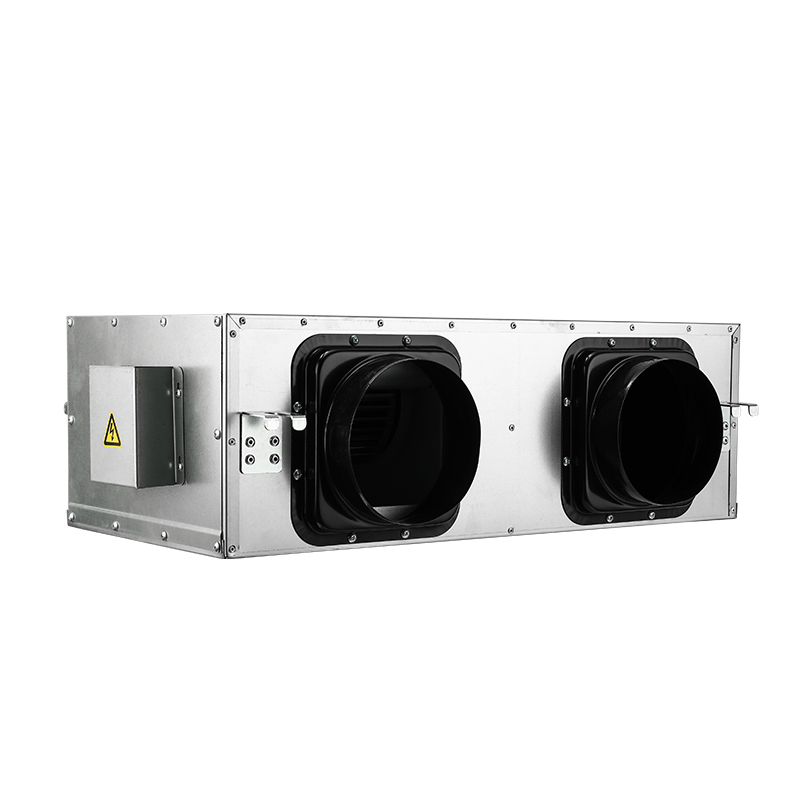
The first step is to confirm that the finished fan corresponds with the order requirements. This includes the model, dimensions, electrical configuration, connection arrangement, and other customized details.
For customized projects, the factory should work from an approved specification rather than relying on informal communication. This provides a clear reference for production and allows inspectors to compare the finished equipment with the original requirements.
A well-defined specification also makes final inspection more objective.
The housing is one of the first areas buyers can evaluate when the equipment arrives. Its dimensions, surface condition, mounting structure, and connection openings should correspond with the agreed configuration.
Inspection can include:
These details may appear basic, but inconsistencies can create unnecessary work during installation if they are not identified before shipment.
A ventilation fan contains multiple assembled components that need to work together correctly. Internal inspection can help identify loose connections, incorrect positioning, interference, or other assembly issues before the product is packed.
The manufacturer should pay particular attention to components involved in movement and air handling. Proper positioning and secure assembly provide a foundation for subsequent operational testing.
For buyers ordering customized equipment, internal assembly inspection also confirms that the final product follows the approved configuration rather than simply matching the external appearance.
Visual inspection alone cannot confirm how the fan behaves when powered. Functional testing provides another layer of verification.
Depending on the product configuration, the factory can check whether the fan starts correctly, operates smoothly, and responds properly to its intended control arrangement. Unusual vibration, abnormal sound, or unstable operation can indicate that further inspection is required.
This is why production testing should be connected directly with the assembly process rather than treated as an unrelated final procedure.
Electrical inspection is another important part of factory testing. The actual configuration should correspond with the buyer's confirmed requirements.
The manufacturer can verify relevant wiring, terminals, connections, and electrical components before shipment. For customized products, these checks are especially useful because the configuration may differ from a standard production version.
Clear identification of electrical components can also make later installation and maintenance easier for the buyer.
Once functional and structural checks are completed, the finished fan should receive a final appearance inspection before packaging.
The manufacturer can check whether the housing is clean, visible surfaces are in acceptable condition, accessories are complete, and identification information corresponds with the order.
Packaging should also be considered part of the delivery process. The product needs appropriate protection against movement, impact, and handling during transportation so that the condition verified at the factory is maintained until arrival.
For repeat buyers, factory inspection records can provide a useful reference for future production. If a customer orders the same configuration again, previous specifications and inspection information can help the manufacturer maintain continuity.
Records can cover the approved product configuration, inspection results, testing status, and relevant production identification. This creates a clearer connection between individual orders.
It also gives the manufacturer a more organized basis for handling customized ventilation equipment.
For overseas buyers, a Fresh Air Fan Factory should be evaluated by more than the appearance of its finished products. A controlled manufacturing process should connect specification review, component inspection, assembly, functional testing, electrical checking, and final packaging.
When these stages are handled systematically, the factory has more opportunities to identify problems before shipment and confirm that the finished equipment matches the buyer's requirements. For a Fresh Air Fan Factory, this approach makes quality inspection part of production itself rather than a final formality, giving buyers a clearer and more dependable reference when sourcing ventilation equipment for their projects.


 Add: Plot 23, Huanglang Industrial Zone, Jinqing Town, Luqiao District, Taizhou City, Zhejiang Province
 Email: 39489814@qq.com
 Phone: +86-13586083215
Guided by our vision to "become the benchmark industrial fan creator and manufacturer," we have consistently innovated and advanced to establish our current industry leadership position.
Copyright © Taizhou Jiucang Electromechanical Co., Ltd.
All Rights Reserved.

China Large Silent Fans
