
 English
 English
 عربى
 한국어

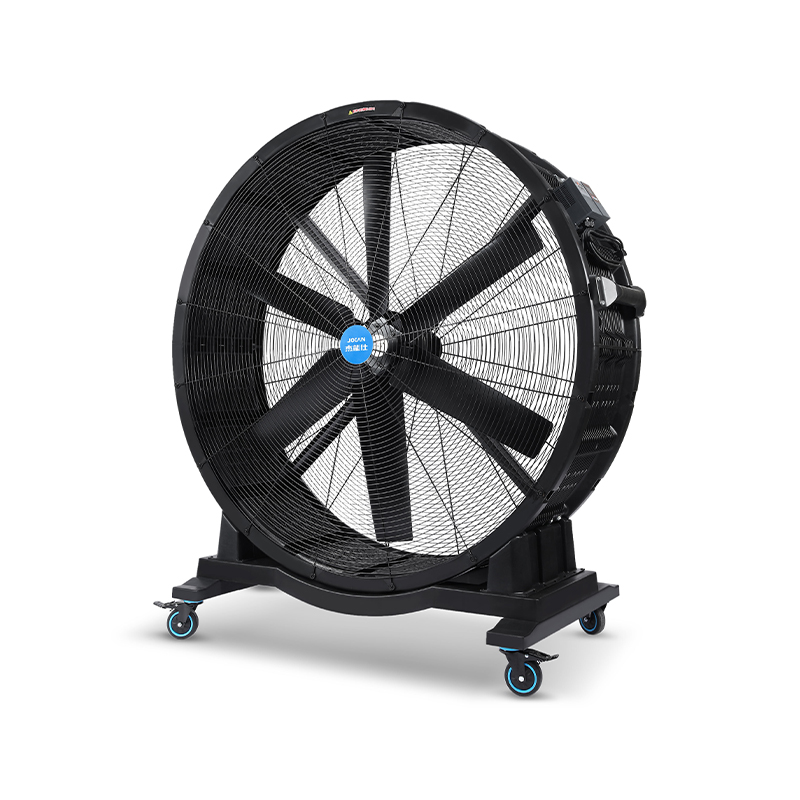
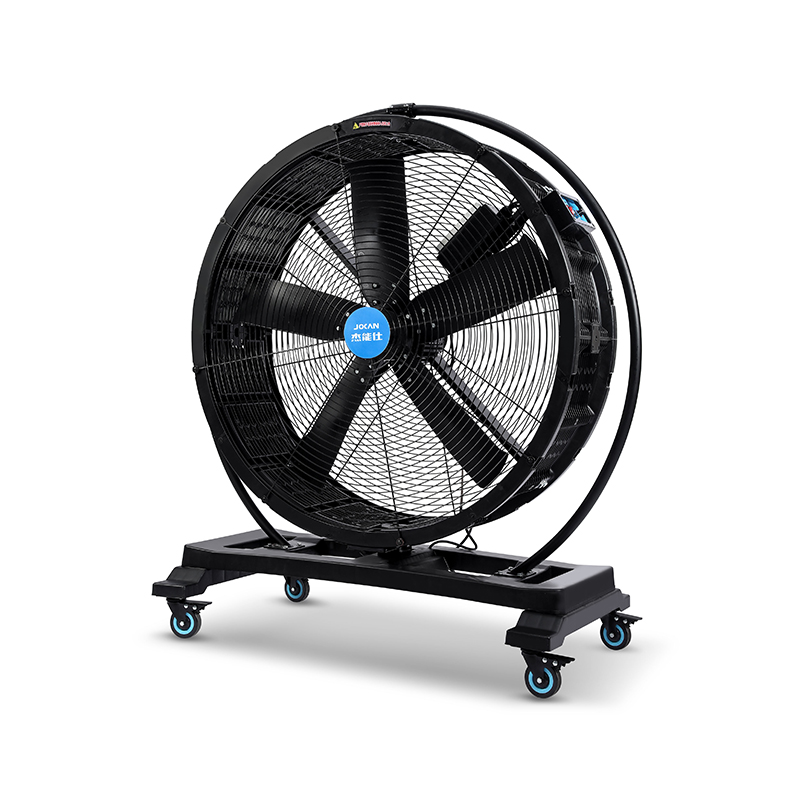
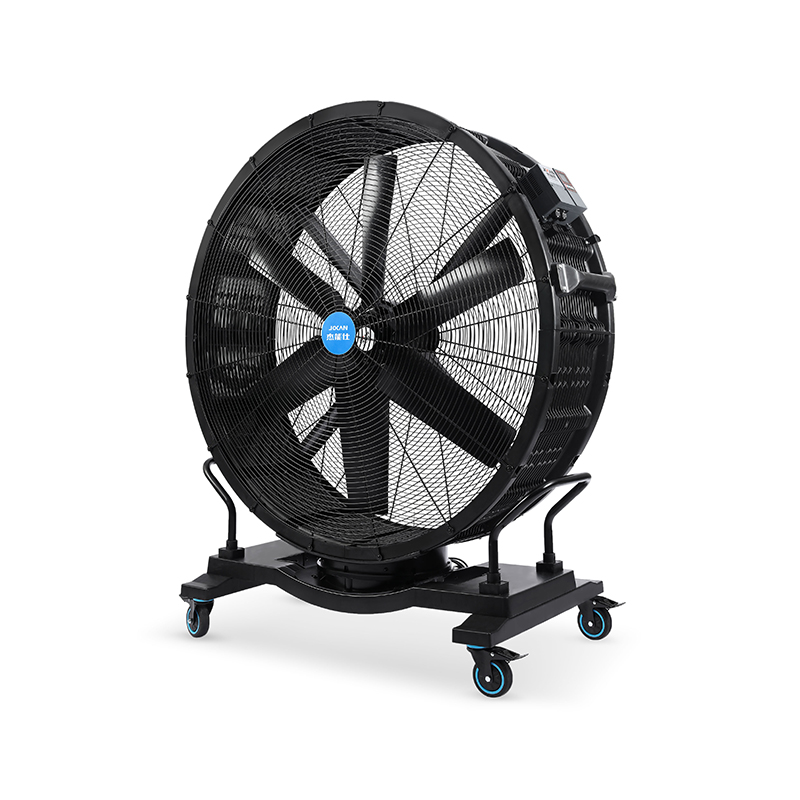
Industrial Wall Mounted Oscillating Fan
The Industrial Wall Mounted Oscillating Fan is a versatile and efficient cooling...
 Add: Plot 23, Huanglang Industrial Zone, Jinqing Town, Luqiao District, Taizhou City, Zhejiang Province
 TEL: +86-13586083215
When purchasing industrial ceiling fans for warehouses, workshops, logistics centers, or commercial buildings, buyers often focus on fan diameter, motor power, and quoted airflow. However, these specifications only tell part of the story. Product performance also depends on how the motor, blades, control system, and supporting structure work together. From a manufacturer's perspective, producing a suitable fan is not simply a matter of assembling components. An experienced Industrial Ceiling Fans Factory needs to understand the intended application and translate project requirements into a practical product configuration. This manufacturing perspective can help overseas buyers evaluate suppliers beyond catalogue descriptions and price comparisons.
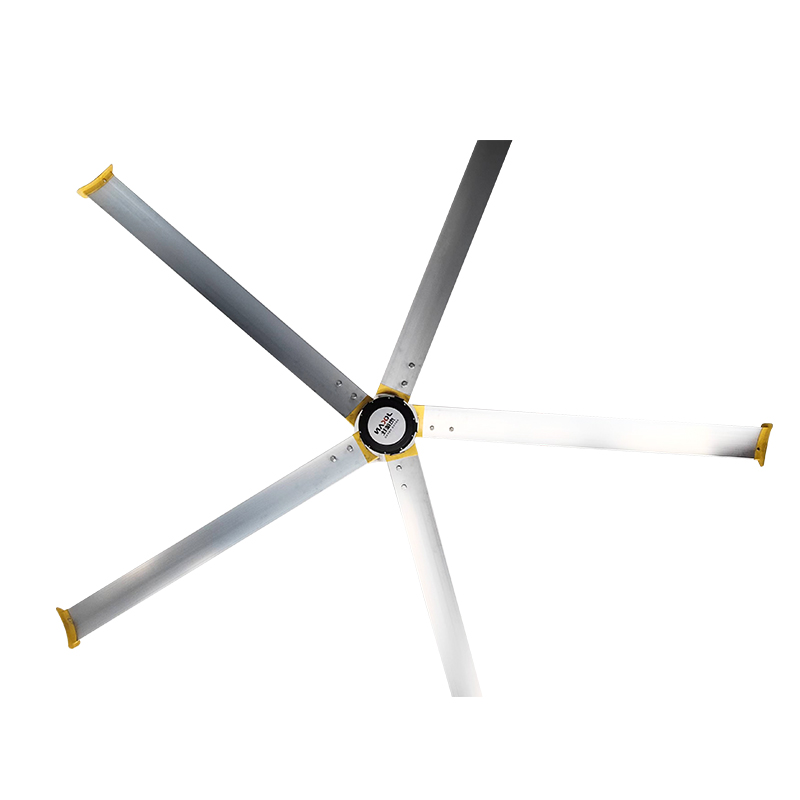
Different industrial environments create different demands on ceiling fans. A distribution center with high storage racks has different airflow requirements from a production workshop containing heat-generating machinery. Selecting the same configuration for every building may result in unsuitable airflow distribution.
During the early stages of product selection, manufacturers and buyers should discuss several basic conditions:
These details provide a more useful starting point for determining fan specifications and avoiding unnecessary adjustments later.
The blade assembly and motor should be considered as one operating system. Blade length, airfoil profile, pitch, and structural rigidity influence how air moves through a space. Meanwhile, the motor must provide suitable torque and operating speed for the selected blade configuration.
For manufacturers, the challenge is to achieve a practical balance between airflow, power consumption, noise, and mechanical stability. A larger blade span does not automatically mean better performance, just as a higher motor power rating does not independently guarantee effective air circulation.
Buyers should therefore request model-specific performance information rather than comparing products through a single specification.
A finished industrial fan depends on the consistency of multiple components. Problems with blade alignment, connection points, electrical components, or mechanical balance may affect operation after installation.
A structured manufacturing quality process should consider different stages, including:
Buyers can ask suppliers which checks are performed and whether relevant inspection records are available for the selected model.
Large rotating blades require attention to balance and structural stability. If the blade assembly is uneven, vibration may occur during operation, potentially affecting noise levels, mounting components, and long-term maintenance requirements.
Manufacturing control should therefore consider the consistency of blade dimensions, weight distribution, assembly positioning, and connection quality. Buyers evaluating suppliers should ask how mechanical balance is addressed and whether vibration-related inspections form part of the production process.
This is particularly relevant for facilities where fans are expected to operate for extended periods.
Industrial facilities increasingly want equipment that can adapt to changing operating conditions. Variable-speed controls allow operators to adjust airflow according to occupancy, temperature, and daily production schedules.
Some projects may also require integration with building management systems or other automated controls. However, smart functionality should remain practical. Manufacturers need to consider control compatibility, electrical requirements, operating simplicity, and maintenance access.
For procurement teams, it is worth confirming which control options are available for each model instead of assuming that all industrial fans support the same functions.
Standard models can meet many common applications, but some projects require adjustments to dimensions, electrical configurations, mounting arrangements, or control options. Clear communication during the quotation and technical confirmation stages helps determine whether a proposed configuration is suitable.
Manufacturers should also clarify the available spare parts, maintenance recommendations, installation documentation, and technical support arrangements. These details help buyers assess the supplier's ability to support equipment beyond the initial shipment.
A reliable sourcing decision should consider engineering communication, component consistency, production inspection, technical documentation, and after-sales support together.
At Taizhou Jiucang Electromechanical Co., Ltd., understanding the application is an important starting point when discussing industrial fan requirements with project buyers. For companies comparing an Industrial Ceiling Fans Factory, asking detailed questions about design compatibility, manufacturing quality, and model-specific performance can lead to a more informed purchasing decision and a fan solution better matched to the facility.


 Add: Plot 23, Huanglang Industrial Zone, Jinqing Town, Luqiao District, Taizhou City, Zhejiang Province
 Email: 39489814@qq.com
 Phone: +86-13586083215
Guided by our vision to "become the benchmark industrial fan creator and manufacturer," we have consistently innovated and advanced to establish our current industry leadership position.
Copyright © Taizhou Jiucang Electromechanical Co., Ltd.
All Rights Reserved.

China Large Silent Fans
