
 English
 English
 عربى
عربى 한국어
한국어
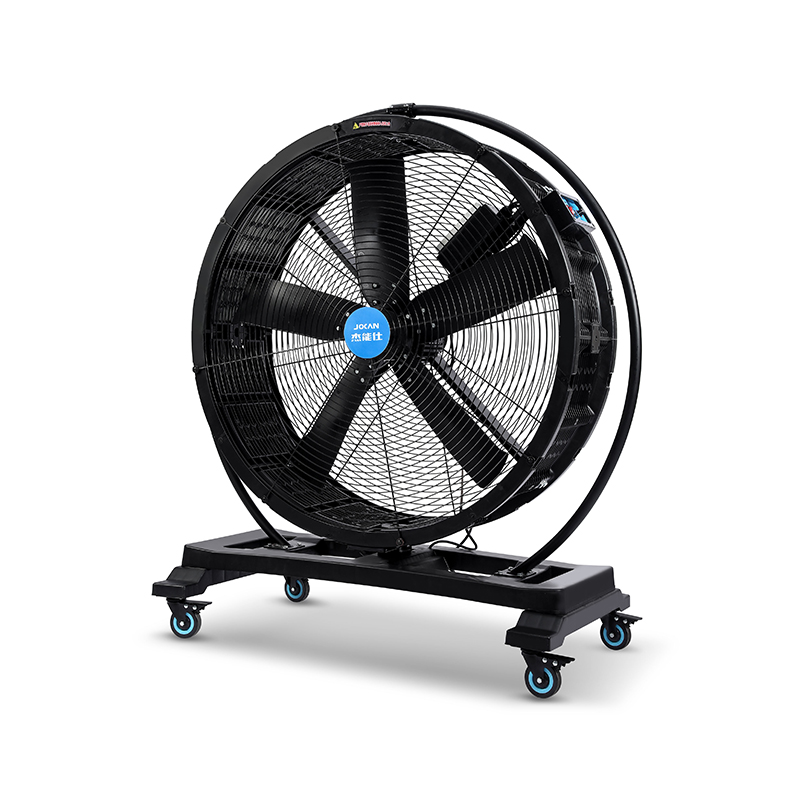
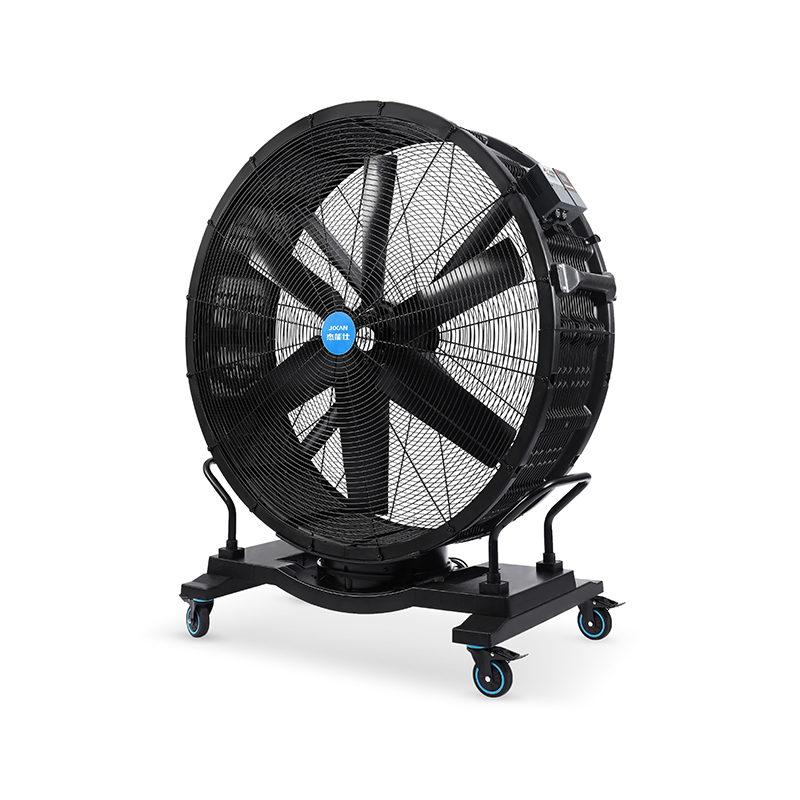
Industrial Wall Mounted Oscillating Fan
The Industrial Wall Mounted Oscillating Fan is a versatile and efficient cooling...
 Add: Plot 23, Huanglang Industrial Zone, Jinqing Town, Luqiao District, Taizhou City, Zhejiang Province
 TEL: +86-13586083215
Modern factories are becoming more connected, but smarter production equipment is not limited to robots and automated inspection systems. Ventilation is also becoming part of a more responsive manufacturing environment. Instead of operating fans at a fixed speed regardless of production demand, factories can use sensors, variable frequency drives, and control systems to adjust airflow according to changing conditions. For Industrial Fans, this shift creates new opportunities to improve ventilation control while giving engineers better visibility into how the system performs.
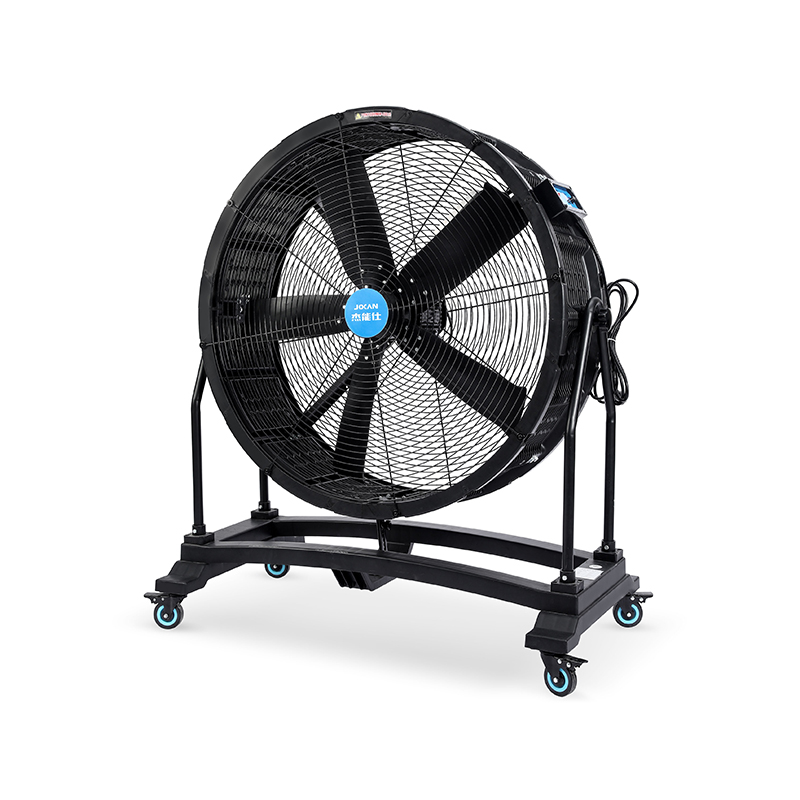
Many industrial facilities have changing workloads throughout the day. Some production lines operate continuously, while others stop during cleaning, material changes, maintenance, or shift transitions. A fixed-speed ventilation system may therefore provide more airflow than the process requires at certain times.
Demand-based ventilation allows fan operation to respond to actual conditions. Engineers should consider several factors when deciding whether variable-speed operation is suitable:
The objective is not simply to reduce fan speed, but to maintain suitable ventilation while avoiding unnecessary operation when demand changes.
Smart ventilation depends on useful operating data. Temperature, pressure, airflow, humidity, air quality, or production activity can provide signals for adjusting fan operation, depending on the application.
For example, a pressure sensor can help identify changes in duct resistance, while temperature monitoring can provide a control signal for cooling applications. In dust and fume extraction systems, production activity can also help determine which areas require ventilation.
By connecting these signals to the fan control system, engineers can move from manual adjustment toward a more responsive ventilation strategy.
A variable frequency drive (VFD) can regulate motor speed according to a control signal from the ventilation system. This creates a direct relationship between actual demand and fan output.
When lower airflow is sufficient, the fan can operate at a reduced speed. When demand increases, the control system can increase fan speed accordingly. Industrial fan control using VFD technology can therefore provide more flexible operation than a simple start-and-stop arrangement.
However, engineers still need to verify motor compatibility, operating range, pressure requirements, control signals, and electrical conditions. Installing a VFD alone does not automatically optimize an existing ventilation system.
Connected ventilation systems can provide more information than traditional fan installations. Operating pressure, airflow, motor status, rotational speed, and alarm conditions can be monitored when suitable sensors and controls are integrated.
This information can help maintenance teams identify changes before they become major operational problems. For example, abnormal pressure or unusual motor behavior may indicate developing issues within the fan or elsewhere in the ventilation system.
For larger facilities, fan controls can also be connected with factory management or building management systems, allowing ventilation equipment to become part of a broader monitoring strategy.
Not every factory needs a complex automation system. The appropriate control method depends on the process, ventilation objective, equipment scale, and operating environment.
Before specifying a control solution, manufacturers and engineers should review:
A simple temperature-based control system may be suitable for one facility, while a dust extraction application could require multiple sensors, automatic dampers, VFDs, and centralized monitoring. The technology should serve the ventilation requirement rather than become an unnecessary layer of complexity.
Smart control does not always require replacing an entire ventilation system. Existing installations may be upgraded with suitable sensors, variable speed drives, control panels, or monitoring functions.
However, engineers should first verify motor specifications, fan operating range, electrical compatibility, control interfaces, and the existing duct system. A retrofit should preserve the required airflow and pressure performance while ensuring that the new control strategy works with the original equipment.
For overseas buyers, discussing the existing system with the fan manufacturer before purchasing control components can help identify compatibility issues at an early stage.
The move toward connected manufacturing is changing how factories approach ventilation. Rather than viewing a fan as an isolated motor-driven device, engineers are increasingly considering airflow, sensors, controls, operating demand, and maintenance as parts of one system. For manufacturers of Industrial Fans, this means product development must consider not only mechanical performance but also compatibility with modern control strategies. For buyers planning a new ventilation system or upgrading an existing one, selecting a fan that can work effectively with variable speed control and application-specific monitoring can provide a more adaptable foundation for future factory operations.


 Add: Plot 23, Huanglang Industrial Zone, Jinqing Town, Luqiao District, Taizhou City, Zhejiang Province
 Email: 39489814@qq.com
 Phone: +86-13586083215
Guided by our vision to "become the benchmark industrial fan creator and manufacturer," we have consistently innovated and advanced to establish our current industry leadership position.
Copyright © Taizhou Jiucang Electromechanical Co., Ltd.
All Rights Reserved.

China Large Silent Fans
