
 English
 English
 عربى
عربى 한국어
한국어
Industrial Wall Mounted Oscillating Fan
The Industrial Wall Mounted Oscillating Fan is a versatile and efficient cooling...
 Add: Plot 23, Huanglang Industrial Zone, Jinqing Town, Luqiao District, Taizhou City, Zhejiang Province
 TEL: +86-13586083215
Taizhou Jiucang Electromechanical Co., Ltd.
Unexpected noise from a ventilation system can be more than a workplace nuisance. In manufacturing facilities, increasing fan noise may indicate airflow turbulence, mechanical imbalance, poor installation, or changes within the ventilation system. Before replacing the equipment, engineers should identify where the noise originates and whether it is connected to a genuine performance problem. For buyers evaluating Industrial Fans, understanding the relationship between airflow, vibration, fan construction, and installation conditions can lead to a more suitable solution and avoid unnecessary equipment replacement.
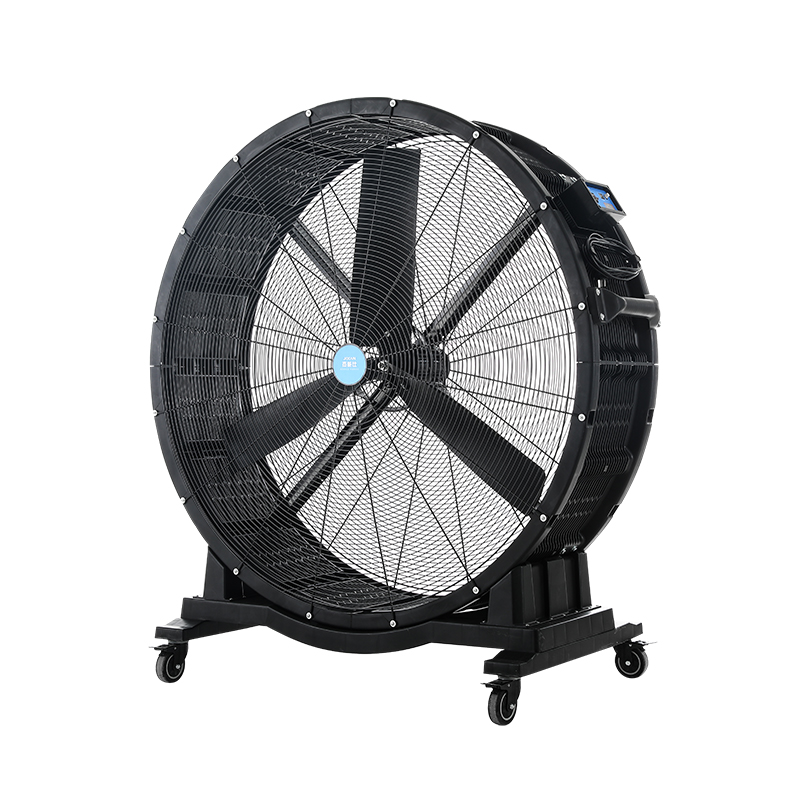
Not all fan noise comes from the motor. When air passes through the impeller, housing, ducts, dampers, or other components, turbulence can generate additional sound. Restricted airflow or poorly arranged duct connections can make this effect more noticeable.
Engineers should review the complete airflow path rather than judging the fan in isolation. Sharp bends close to the fan inlet, unsuitable duct transitions, blocked filters, or partially closed dampers can disturb the airflow and create additional noise.
For industrial ventilation systems, matching the fan with the actual system resistance is therefore important not only for airflow performance but also for operating comfort.
A rotating impeller needs to remain properly balanced during operation. Accumulated dust, damaged blades, deformation, or incorrect assembly can affect the balance and create vibration.
When vibration increases, the resulting sound may travel through the fan housing, mounting structure, or connected ductwork. In this situation, simply adding acoustic insulation may not address the underlying problem.
During inspection, maintenance teams should check:
These checks can help determine whether increased noise is caused by a rotating component or by another part of the ventilation system.
Fan speed has a significant influence on both airflow and operating noise. Running a fan faster than necessary can increase air velocity and create additional aerodynamic noise, particularly when the system was not designed for that operating condition.
Variable speed control can provide a practical option when ventilation demand changes during production. Instead of operating continuously at one fixed speed, the system can adjust output according to actual requirements.
However, speed control should be selected together with the motor, impeller, control system, and required operating range. A low noise industrial fan should be evaluated as a complete system rather than based on a single noise figure.
A properly manufactured fan can still become noticeably louder if it is installed incorrectly. Rigid connections, insufficient structural support, poor alignment, or direct contact between vibrating components and the building structure can transmit mechanical energy into surrounding areas.
Flexible connectors and suitable mounting arrangements may help isolate vibration between the fan and connected ductwork. The installation foundation should also provide adequate stability for the equipment's operating conditions.
For projects involving custom industrial ventilation fans, installation orientation and connection details should be discussed with the manufacturer before production. This allows the equipment configuration to reflect the actual site requirements.
Different factories have different acoustic priorities. A large warehouse may have more tolerance for background equipment noise than a workshop where employees work close to the ventilation equipment for extended periods.
When selecting a fan, buyers should consider:
This information gives manufacturers a better basis for recommending an appropriate fan configuration instead of focusing only on a catalogue noise value.
Noise reduction is easier to consider during product development than after installation. Impeller geometry, motor selection, housing construction, balance quality, airflow path, and component matching can all influence operating characteristics.
From a manufacturing perspective, we evaluate these factors together when developing fan solutions for different industrial applications. The purpose is not simply to make equipment quieter, but to achieve a practical balance between airflow, pressure, mechanical stability, energy use, and acoustic performance.
For OEM and customized projects, application information from the buyer is particularly valuable because the same fan configuration may behave differently under different system conditions.
A louder ventilation system does not automatically mean the fan has reached the end of its service life. Noise may originate from the impeller, bearings, airflow path, mounting structure, ductwork, or changes in operating conditions. Identifying the source first gives engineers a clearer basis for deciding whether maintenance, system adjustment, or replacement is required.
For overseas buyers sourcing Industrial Fans, working with a manufacturer that can evaluate airflow requirements, fan construction, vibration, installation conditions, and noise considerations together can make the purchasing process more reliable. The right low noise industrial fan should fit the complete ventilation system rather than simply appear quiet on a specification sheet.

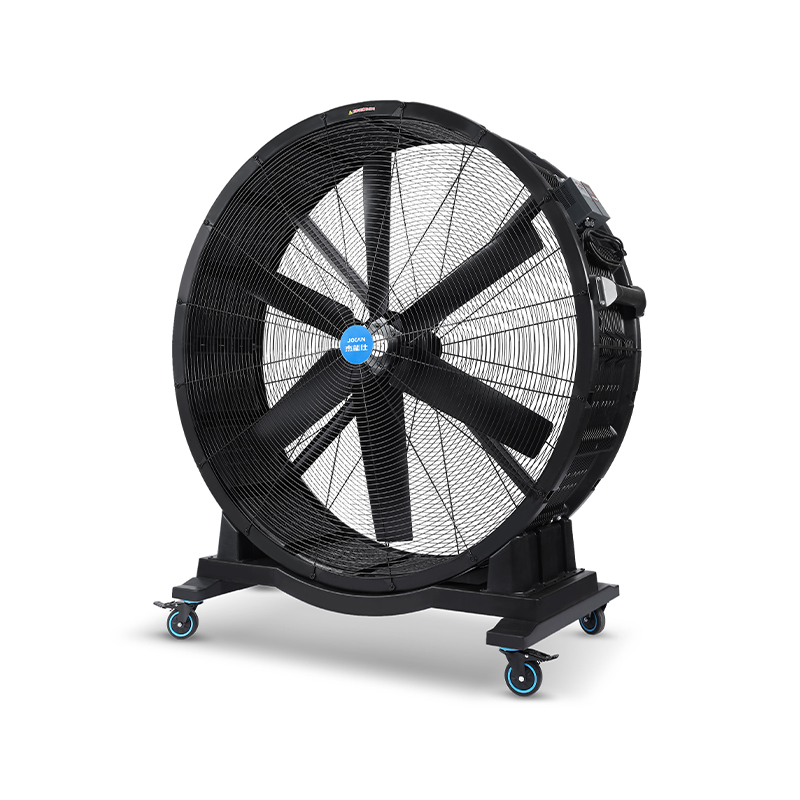
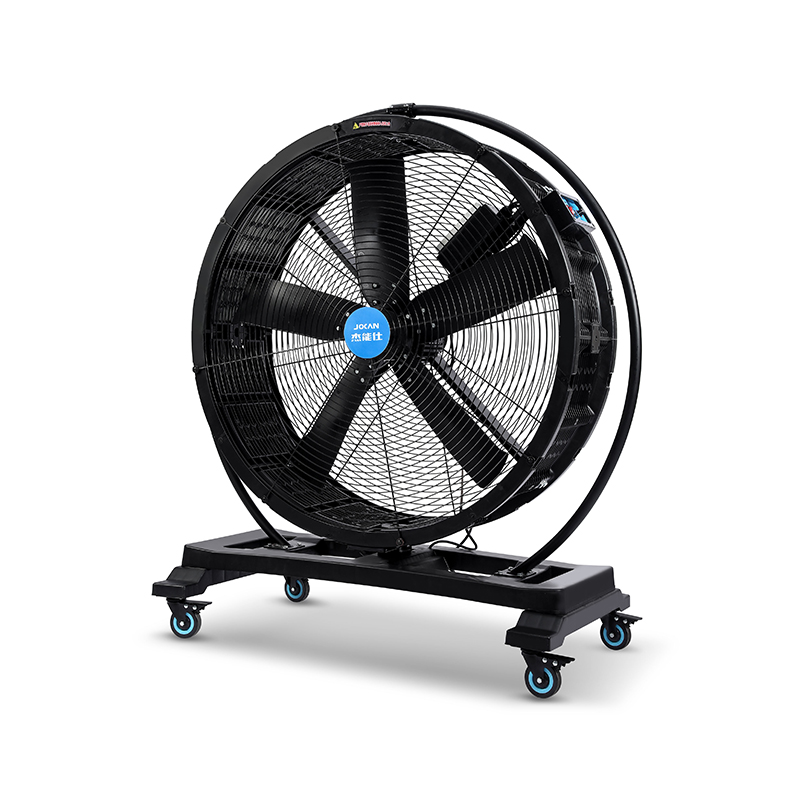
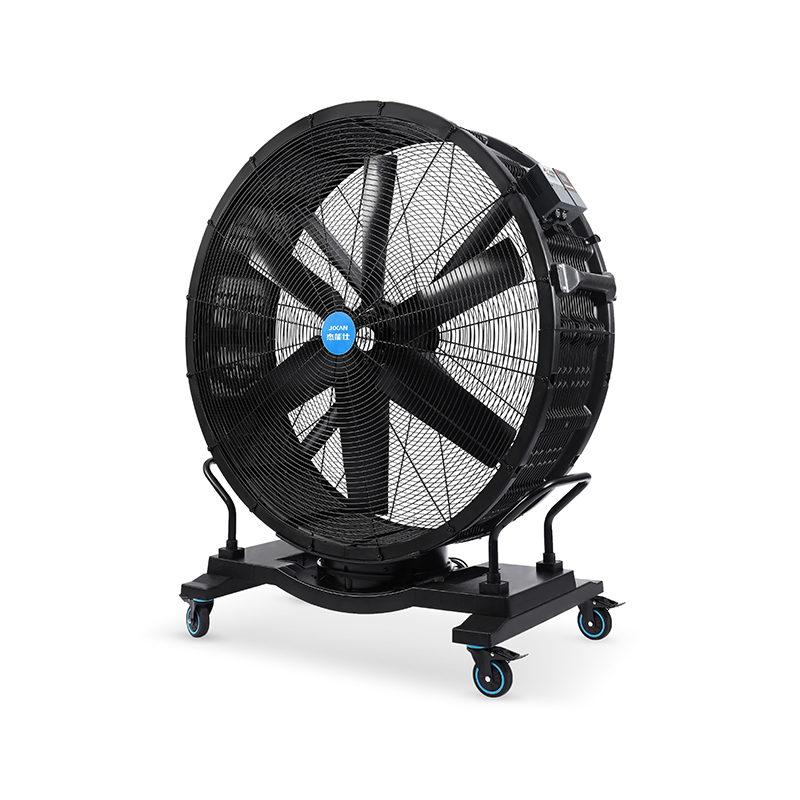

 Add: Plot 23, Huanglang Industrial Zone, Jinqing Town, Luqiao District, Taizhou City, Zhejiang Province
 Email: 39489814@qq.com
 Phone: +86-13586083215
Guided by our vision to "become the benchmark industrial fan creator and manufacturer," we have consistently innovated and advanced to establish our current industry leadership position.
Copyright © Taizhou Jiucang Electromechanical Co., Ltd.
All Rights Reserved.

China Large Silent Fans
