
 English
 English
 عربى
عربى 한국어
한국어
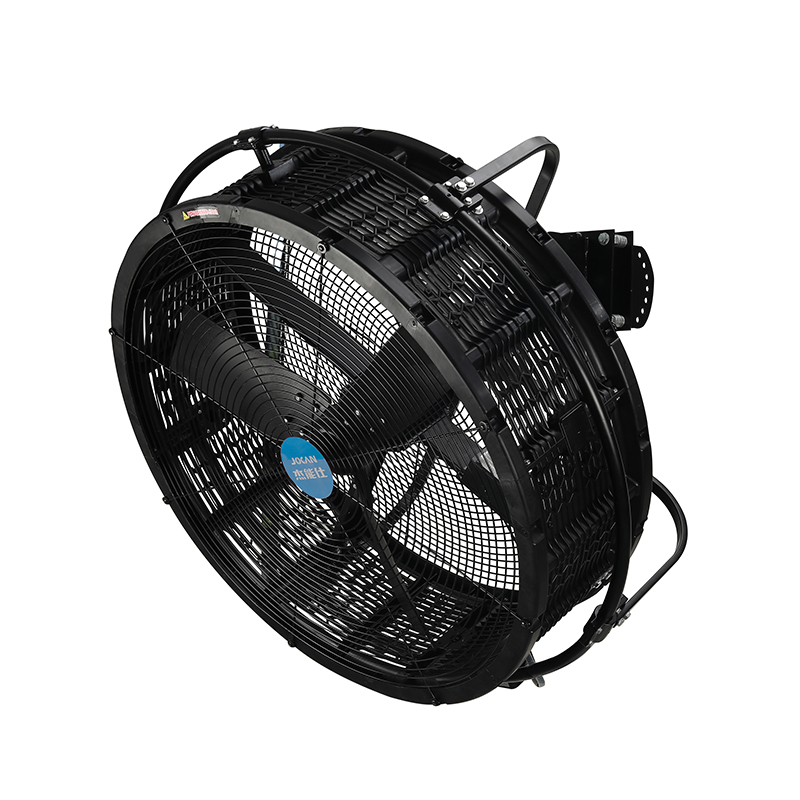
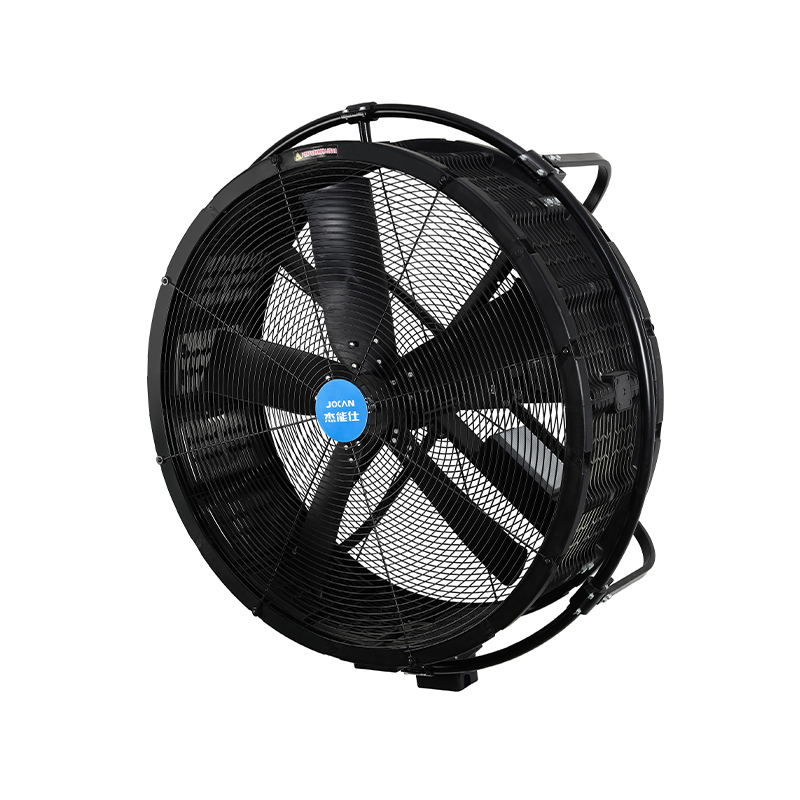
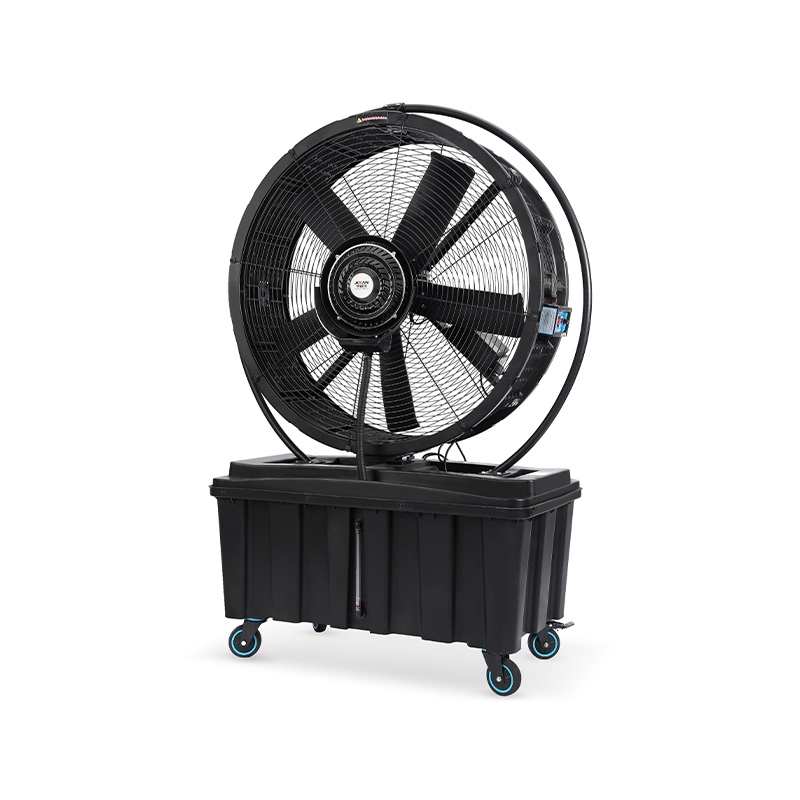
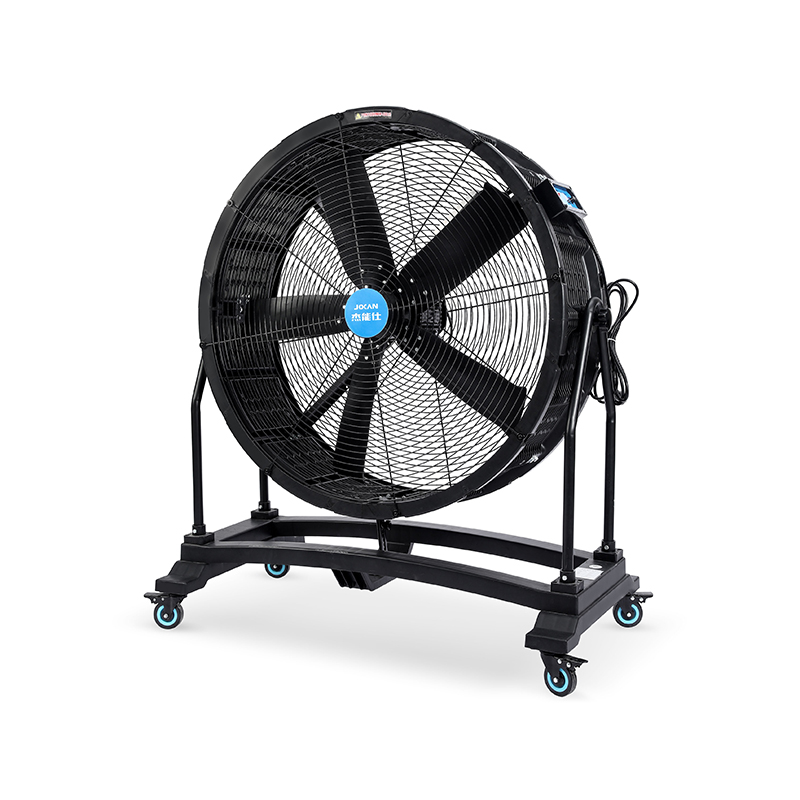
Industrial Wall Mounted Oscillating Fan
The Industrial Wall Mounted Oscillating Fan is a versatile and efficient cooling...
 Add: Plot 23, Huanglang Industrial Zone, Jinqing Town, Luqiao District, Taizhou City, Zhejiang Province
 TEL: +86-13586083215
Discussions at CES 2026 have drawn new attention to precision atomization in climate equipment, especially as Water Mist Fan systems evolve beyond simple “with or without mist” functions. At the same time, an experienced Industrial Ceiling Fans Factory is increasingly expected to integrate airflow engineering with controlled mist dispersion to create balanced cooling solutions for large spaces. The industry conversation is no longer limited to airflow volume alone; it now includes measurable droplet size, evaporation rate, and the relationship between mist density and human comfort.
Recent product demonstrations have highlighted atomized particle sizes around 17 μm, a specification often referenced as a practical balance between evaporation efficiency and perceived cooling. This technical direction signals a shift toward quantifiable standards in mist performance. For buyers and facility managers, understanding how these parameters influence real-world use is more important than marketing claims.
Atomized droplet size plays a direct role in how mist behaves once released into the air. When droplets are too large, they may fall quickly to the ground, creating surface moisture and potential safety concerns. When they are extremely fine, they evaporate rapidly but may disperse unevenly in environments with strong airflow. Around the 15–20 μm range, droplets typically remain suspended long enough to absorb heat while evaporating, yet are less likely to leave surfaces visibly wet.
This balance matters particularly in semi-open or industrial environments. Warehouses, loading docks, workshops, and large event spaces often experience high heat loads combined with air movement from ceiling fans. In such conditions, consistent droplet dispersion ensures that cooling occurs through evaporation rather than surface dampness. For users comparing products, published micrometer data now serves as a reference point for performance evaluation, similar to how airflow (CFM) ratings are assessed in traditional fans.
A Water Mist Fan does not function independently from airflow dynamics. The relationship between blade diameter, rotational speed, and mist injection location determines how evenly the droplets spread across a given area. In large industrial ceiling installations, high-volume, low-speed (HVLS) fan structures are often used to circulate air in wide patterns. Integrating mist into this airflow requires careful nozzle positioning and pressure calibration.
An Industrial Ceiling Fans Factory that develops integrated systems must account for:
When these factors are aligned, the mist disperses through the circulating air column rather than forming localized clouds. This coordination is particularly important in high-ceiling facilities where stratified heat accumulates near the roof. By pushing warm air downward and introducing fine mist into that airflow, the cooling effect becomes more uniform across occupied zones.
Beyond technical specifications, facility managers often evaluate systems based on tangible operational outcomes. In environments such as manufacturing plants or agricultural structures, mist-assisted airflow can help moderate heat buildup during peak temperature periods. Workers may report improved comfort due to evaporative cooling without the need for fully enclosed air conditioning systems.
In outdoor commercial areas—such as open-air restaurants or sports venues—fine mist can reduce perceived temperature while allowing natural ventilation. Because droplets in the 17 μm range evaporate quickly, the risk of wet seating or slippery flooring decreases compared to coarse spray systems. Maintenance staff also benefit from fewer residue marks, provided that water filtration is properly managed.
Energy considerations are another factor. Large ceiling fans consume less power than traditional HVAC systems covering the same footprint. When combined with controlled mist, the system supports cooling without compressive refrigeration in many applications. While this does not replace air conditioning in sealed environments, it offers a supplementary method for heat reduction in transitional spaces.
Application suitability depends on environmental characteristics, ceiling height, and water quality. Typical scenarios include:
In fully enclosed, climate-controlled offices, traditional HVAC remains the primary cooling approach. However, in mixed-use spaces where doors open frequently or insulation is limited, evaporative assistance can complement mechanical ventilation.
Water source quality also influences performance. Filtration systems help prevent nozzle blockage and mineral buildup, maintaining consistent droplet size. Routine inspection of pumps and pressure regulators supports steady operation, especially in industrial settings with extended daily runtime.


 Add: Plot 23, Huanglang Industrial Zone, Jinqing Town, Luqiao District, Taizhou City, Zhejiang Province
 Email: 39489814@qq.com
 Phone: +86-13586083215
Guided by our vision to "become the benchmark industrial fan creator and manufacturer," we have consistently innovated and advanced to establish our current industry leadership position.
Copyright © Taizhou Jiucang Electromechanical Co., Ltd.
All Rights Reserved.

China Large Silent Fans
