
 English
 English
 عربى
عربى 한국어
한국어
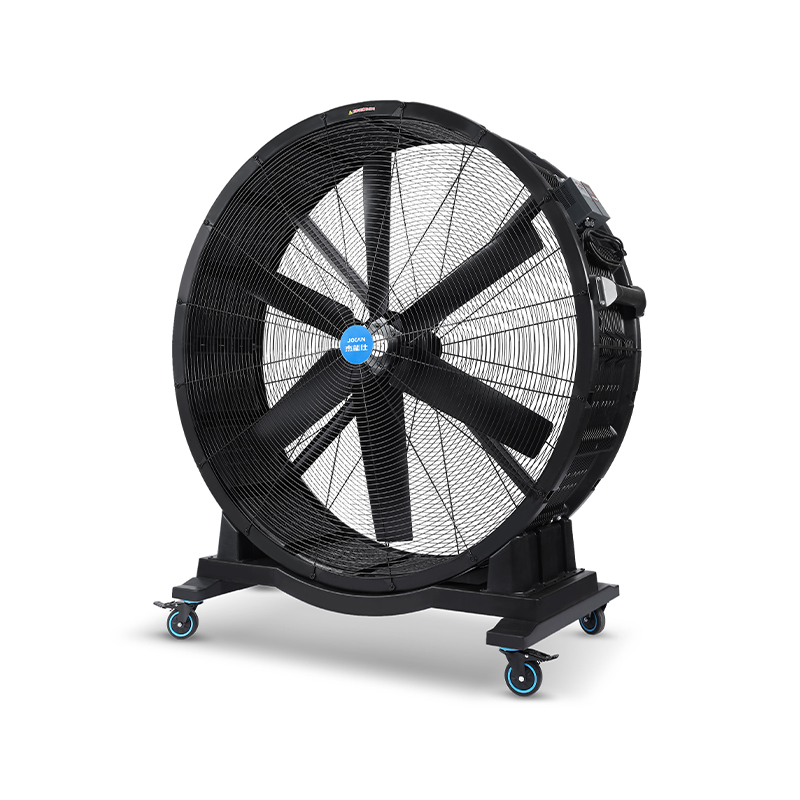
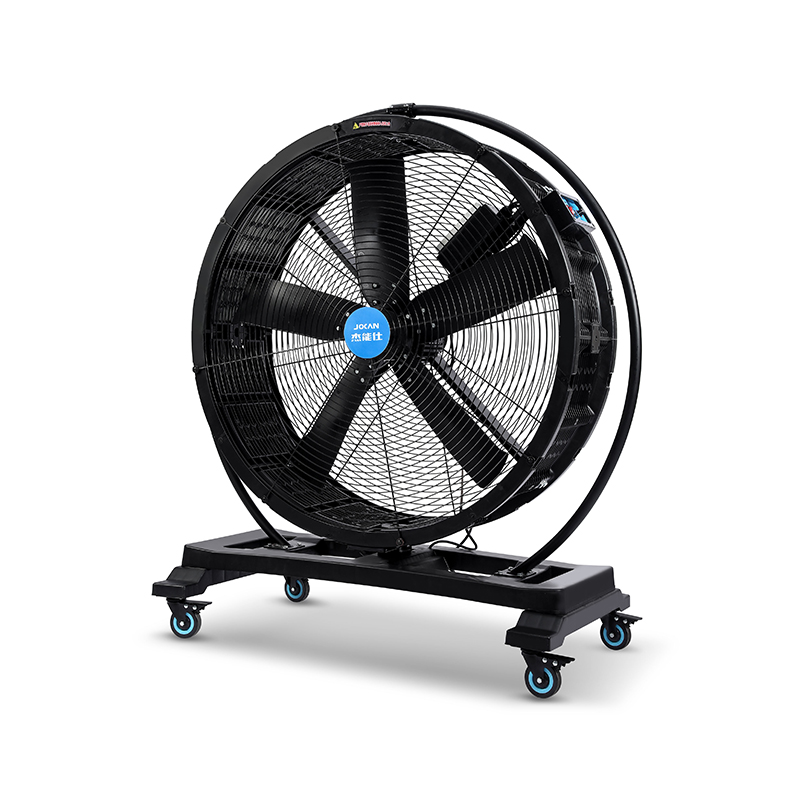
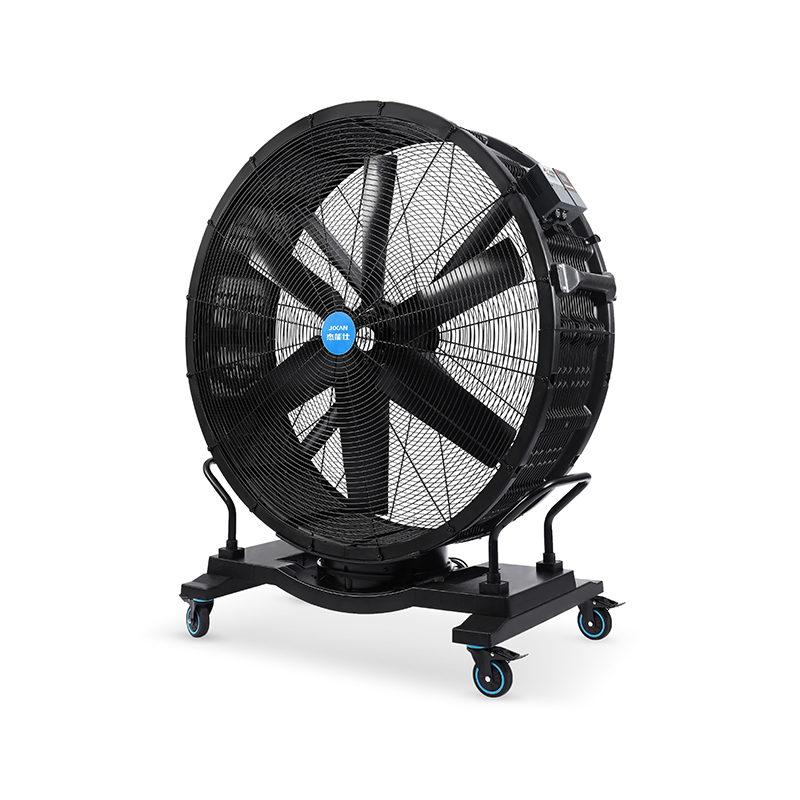
Industrial Wall Mounted Oscillating Fan
The Industrial Wall Mounted Oscillating Fan is a versatile and efficient cooling...
 Add: Plot 23, Huanglang Industrial Zone, Jinqing Town, Luqiao District, Taizhou City, Zhejiang Province
 TEL: +86-13586083215
Summer heat and indoor ventilation have prompted a growing interest in innovative cooling devices. Products like the Water Mist Fan are gaining attention not only for their ability to reduce ambient temperature but also for their design adaptability. At the same time, manufacturers from Industrial Ceiling Fans Factory setups are exploring ways to integrate efficient airflow management into large spaces.
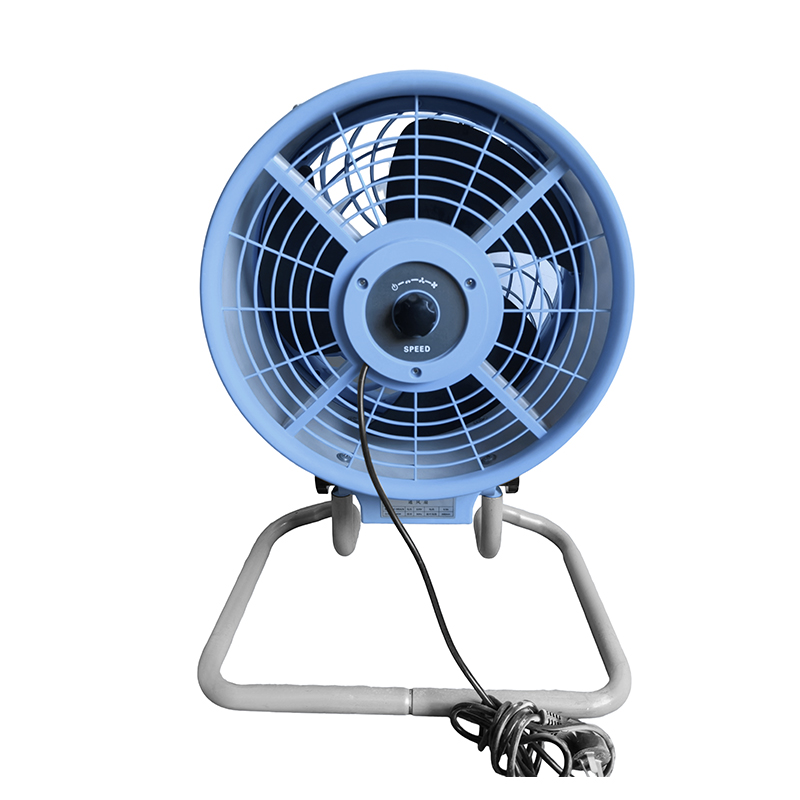
Water mist fans are moving beyond traditional performance measures. Many modern designs now incorporate portable, wearable, or compact forms that allow for mobility while maintaining comfort. Key aspects include:
These features make it possible for individuals working outdoors, commuting, or engaging in sports to carry cooling devices without interrupting daily routines. For consumers, choosing a design that aligns with both convenience and personal style has become an important consideration, particularly among younger audiences who treat compact fans as part of their summer accessories.
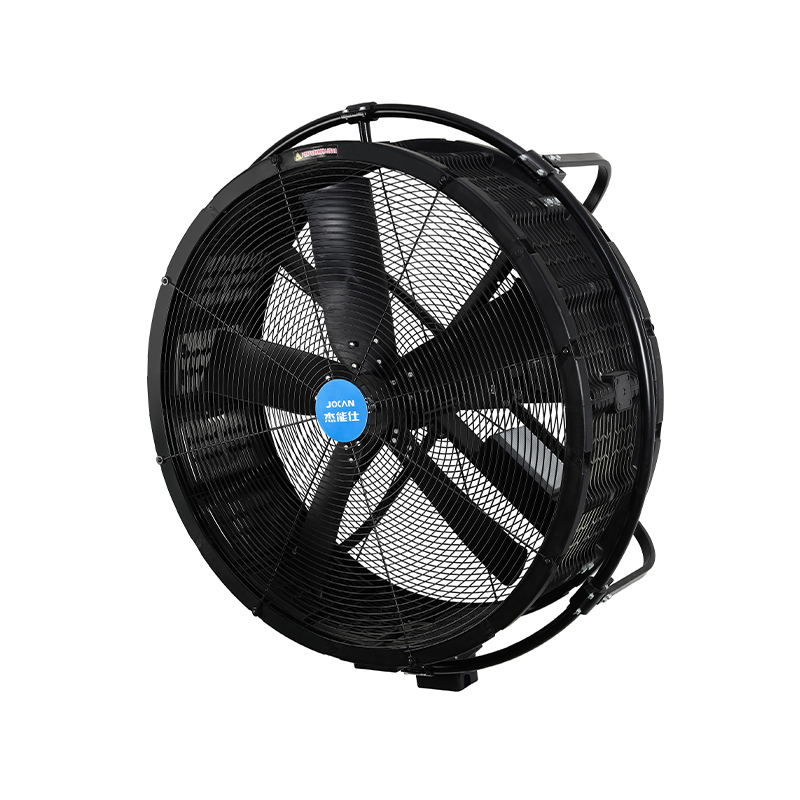
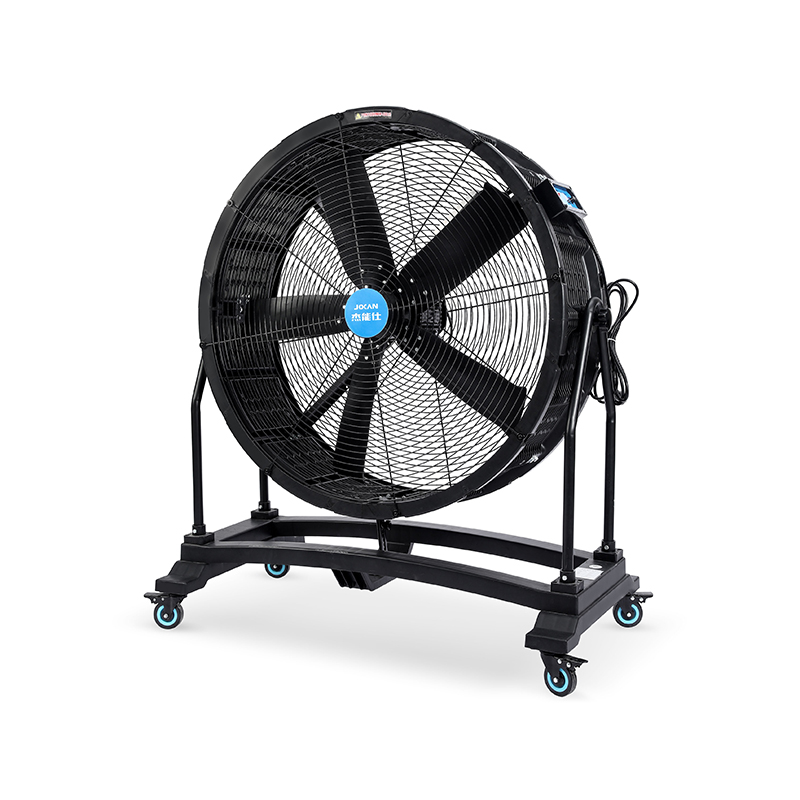
Large-scale environments such as warehouses, factories, or event venues often rely on ceiling-mounted fans to manage airflow. Factories producing these devices focus on structural durability, energy usage, and airflow coverage. Ceiling fans from professional Industrial Ceiling Fans Factory facilities are designed to maintain a steady movement of air over broad areas, which can reduce stagnation and improve comfort for staff or visitors. By adjusting blade length, rotation speed, and positioning, these fans can accommodate various room sizes and ceiling heights, offering flexibility without complex installation requirements.
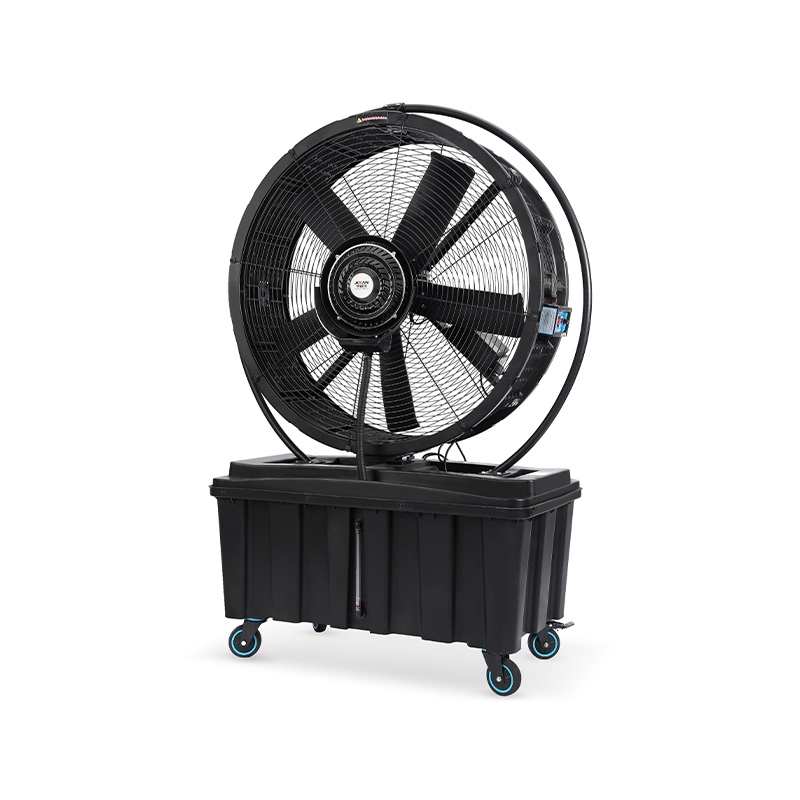
Some newer models combine the misting approach of portable water fans with stationary systems for broader coverage. This hybrid design addresses both personal cooling and area ventilation needs. Indoor public spaces can benefit from localized cooling without relying exclusively on air conditioning, and portable mist fans can assist in smaller, personal settings where quick relief is desired. The practical advantage lies in balancing comfort with ease of use, as mist fans can operate with limited supervision while requiring minimal setup.
Design innovation also extends to aesthetics and portability. Color gradients, compact form factors, and user-friendly interfaces allow water mist fans to appeal to lifestyle-conscious buyers. Choosing the right size and mist output depends on the intended environment: wearable fans are suitable for personal use, while larger portable units can serve small outdoor gatherings or mobile workstations. Simple maintenance routines, such as cleaning tanks and checking pump functionality, can prolong usability without adding complexity.
While energy efficiency is often discussed, users should focus on selecting fans that balance performance and operational cost. Fans designed by industrial factories or for personal use often allow adjustable speeds, helping control electricity consumption according to specific conditions. For workplaces, ceiling fan systems that can operate continuously with minimal monitoring offer a practical solution for large-area air circulation without requiring extensive energy planning.
Modern cooling devices, from Water Mist Fans to industrial ceiling units, reflect a shift toward combining practical functionality with lifestyle compatibility. Whether for personal comfort or professional environments, understanding the design considerations, operational requirements, and portability options can guide users toward solutions that meet everyday needs.


 Add: Plot 23, Huanglang Industrial Zone, Jinqing Town, Luqiao District, Taizhou City, Zhejiang Province
 Email: 39489814@qq.com
 Phone: +86-13586083215
Guided by our vision to "become the benchmark industrial fan creator and manufacturer," we have consistently innovated and advanced to establish our current industry leadership position.
Copyright © Taizhou Jiucang Electromechanical Co., Ltd.
All Rights Reserved.

China Large Silent Fans
