
 English
 English
 عربى
عربى 한국어
한국어
Industrial Wall Mounted Oscillating Fan
The Industrial Wall Mounted Oscillating Fan is a versatile and efficient cooling...
 Add: Plot 23, Huanglang Industrial Zone, Jinqing Town, Luqiao District, Taizhou City, Zhejiang Province
 TEL: +86-13586083215
Evolving expectations around indoor climate control have encouraged facilities to rethink how air movement systems function throughout the year. The combination of Water Mist Fan technology and large-scale ceiling airflow solutions developed by an Industrial Ceiling Fans Factory is no longer limited to summer cooling. Instead, these systems are increasingly positioned as part of an integrated indoor comfort approach that supports airflow circulation and moderate humidity balance across multiple seasons.
Rather than being treated as temporary equipment for hot weather, mist-assisted fans are now evaluated as fixed infrastructure in warehouses, production workshops, commercial halls, sports facilities, and other expansive interiors. The shift is driven in part by improved atomization methods that reduce surface dampness and enable more consistent performance indoors.
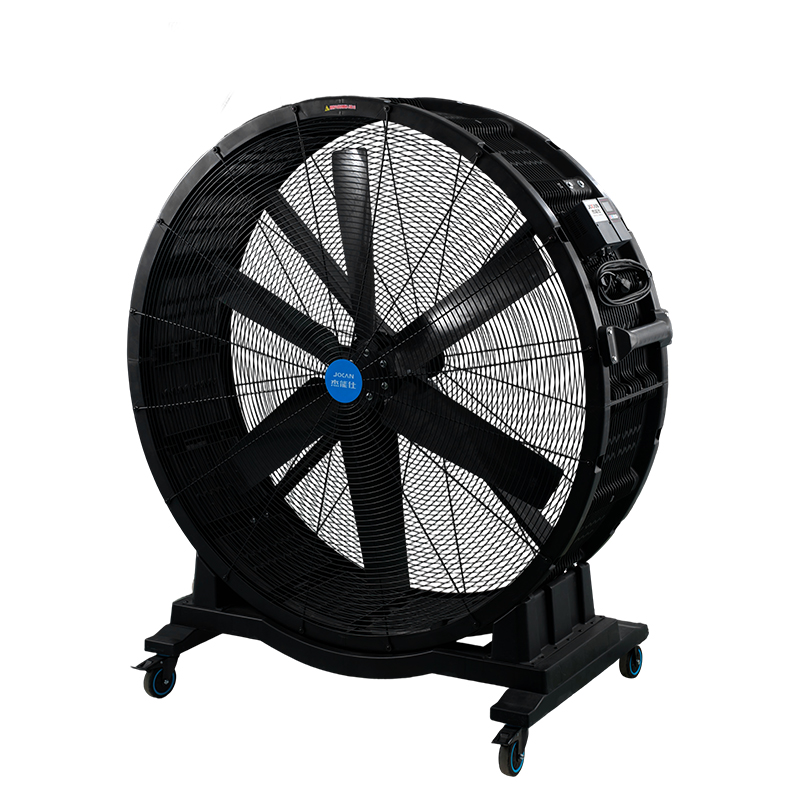
Historically, mist fans were associated with outdoor cafés, loading docks, or construction sites where evaporative cooling provided relief during high temperatures. That perception is changing. Advances in droplet control and airflow engineering allow modern systems to operate inside large buildings without causing noticeable wet surfaces.
During warm months, air circulation from large ceiling fans increases evaporation on the skin, improving thermal perception even when ambient temperatures remain steady. When fine mist is introduced into this airflow, it can further enhance the cooling sensation by accelerating evaporation without forming visible moisture on equipment or flooring.
In cooler months, especially in heated industrial environments, indoor air often becomes dry. Dry air may contribute to discomfort, static buildup, or material shrinkage. A calibrated mist system can introduce small amounts of moisture into the circulating air, helping stabilize relative humidity levels. While it does not replace specialized humidity control systems for precision industries, it can provide support in large open areas where moderate adjustments are sufficient.
By expanding the functional scope of mist fans, facility operators reduce reliance on purely seasonal equipment purchases and improve asset utilization throughout the year.
The feasibility of indoor mist systems depends largely on droplet size and dispersion method. Traditional low-pressure misting often produces larger droplets that settle quickly, leaving damp surfaces. In contrast, modern Water Mist Fan systems use higher-pressure atomization and precision nozzles to create ultra-fine droplets.
These droplets remain suspended in the airflow column generated by ceiling fans. Because they are smaller, they evaporate more rapidly in moving air. This process reduces the sensation of moisture settling on skin, floors, or machinery.
The performance of such systems relies on balancing several variables:
When airflow is strong enough to keep droplets suspended, evaporation occurs before contact with surfaces. If mist output exceeds evaporation capacity, condensation may appear. For this reason, adjustable controls are important in indoor installations. Variable-speed motors and regulated pump systems allow operators to adapt settings to seasonal and operational conditions.
This technical refinement is what enables the shift from purely outdoor cooling equipment to multi-season indoor applications.
Large industrial ceiling fans are widely used to destratify air, pushing warm air downward during colder periods and enhancing air movement during warmer periods. When combined with mist systems, they form a coordinated environment management tool rather than a single-purpose cooling device.
In winter, warm air tends to accumulate near the roof of high-bay facilities. Running ceiling fans at low speeds redistributes this trapped heat to occupied zones, helping maintain more consistent temperatures across vertical space. At the same time, light mist introduction can counteract the drying effects of heating systems, which often reduce relative humidity significantly.
In production environments handling materials such as textiles, wood products, cardboard packaging, or certain food ingredients, stable humidity levels may reduce issues like static discharge or material brittleness. Although a water mist system is not a replacement for precision-controlled humidifiers in sensitive manufacturing sectors, it can offer practical support in broad, open facilities where environmental consistency is desired but not tightly regulated.
This integrated approach also simplifies infrastructure planning. Instead of installing separate airflow and moisture systems, facility managers can evaluate combined solutions that share mounting structures and electrical connections.
Careful evaluation of building conditions helps ensure effective results. Several factors should be reviewed before selecting or installing a system:
High ceilings allow greater dispersion distance and evaporation time. In lower spaces, mist intensity must be reduced to prevent condensation. Fan diameter selection should match floor coverage and air volume requirements.
Mineral-heavy water can clog nozzles and leave residue. Filtration or treatment systems may be necessary, especially in regions with hard water. Routine inspection helps maintain consistent spray patterns.

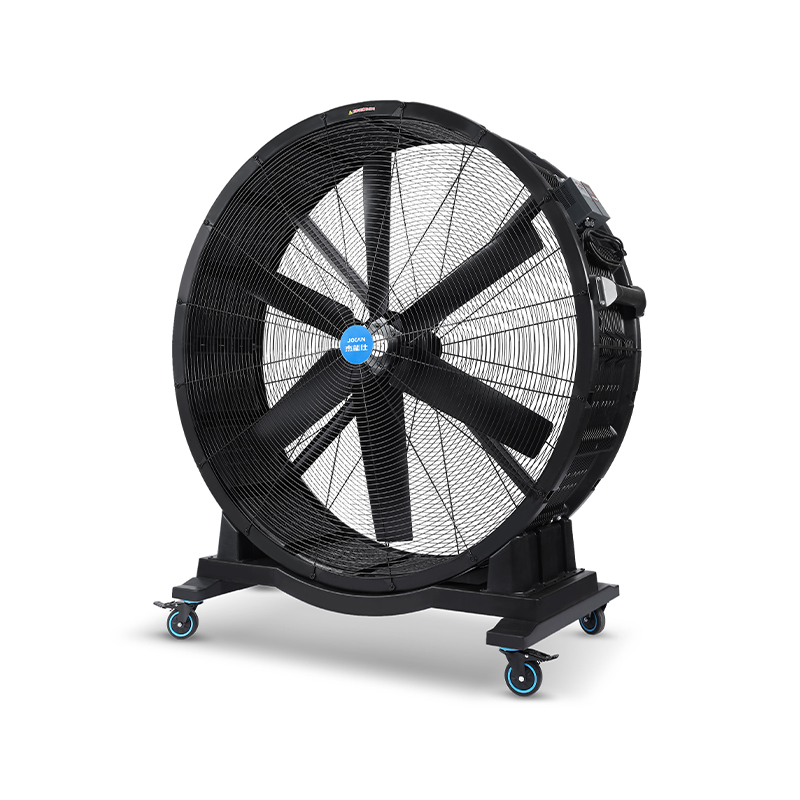
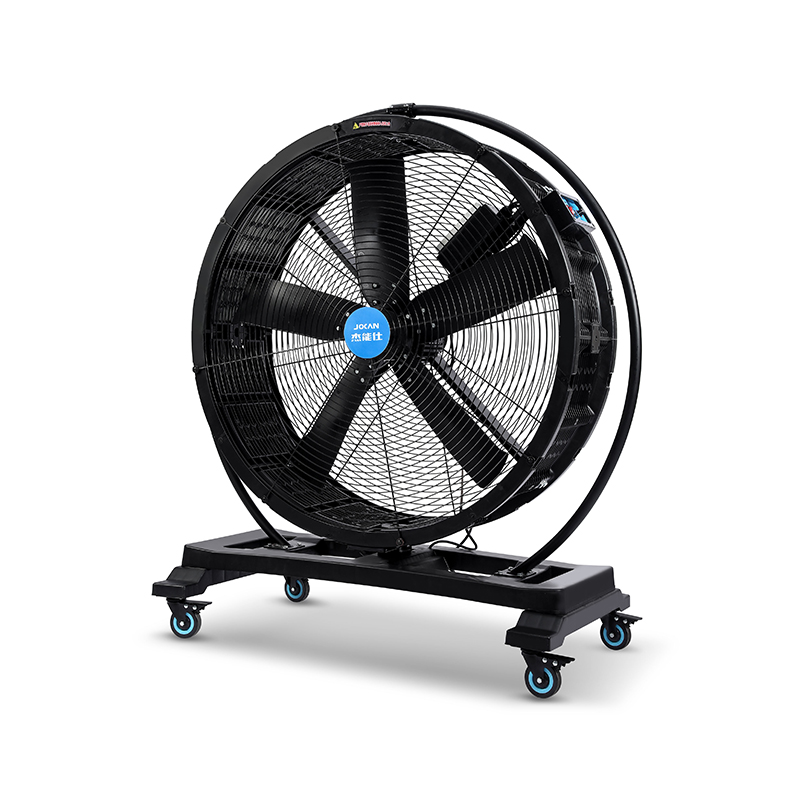
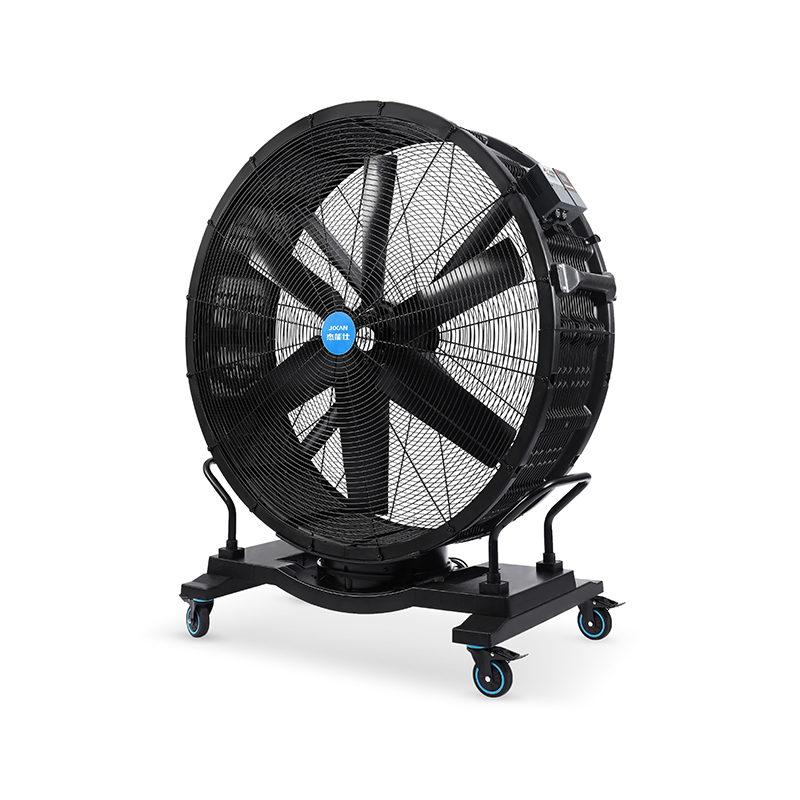

 Add: Plot 23, Huanglang Industrial Zone, Jinqing Town, Luqiao District, Taizhou City, Zhejiang Province
 Email: 39489814@qq.com
 Phone: +86-13586083215
Guided by our vision to "become the benchmark industrial fan creator and manufacturer," we have consistently innovated and advanced to establish our current industry leadership position.
Copyright © Taizhou Jiucang Electromechanical Co., Ltd.
All Rights Reserved.

China Large Silent Fans
