
 English
 English
 عربى
عربى 한국어
한국어
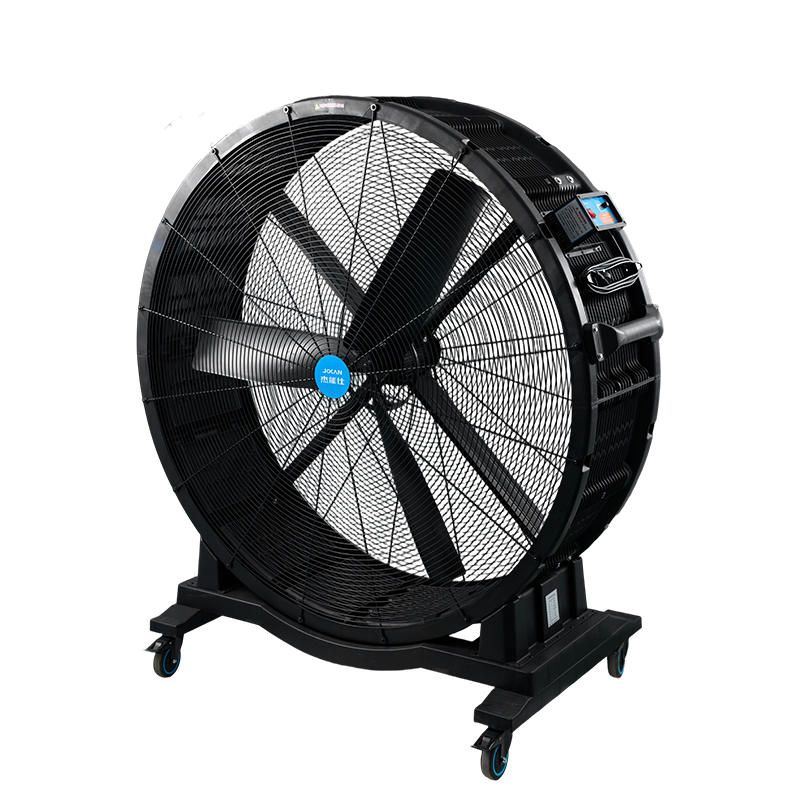
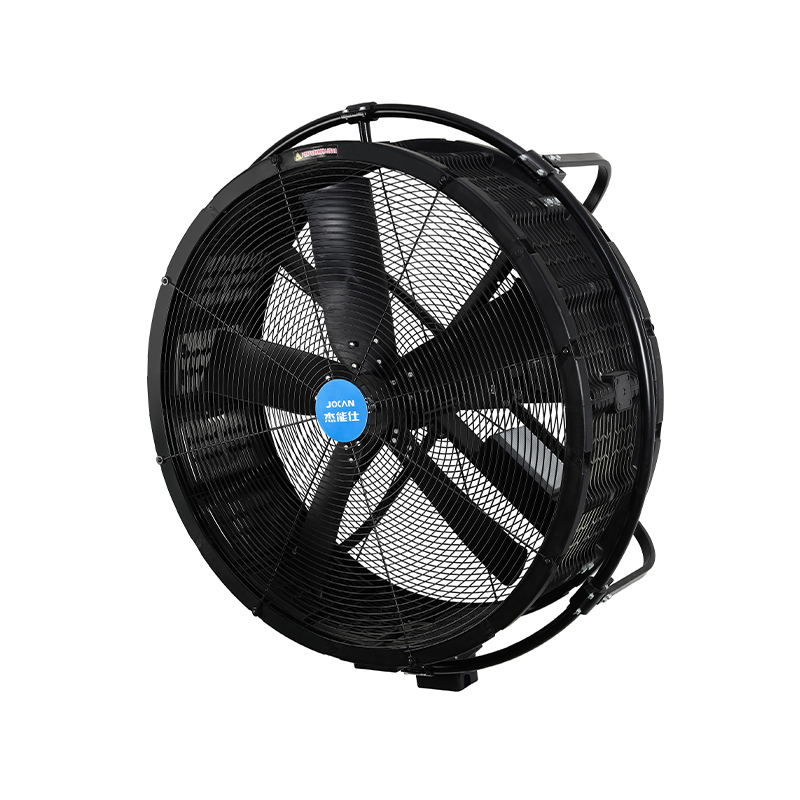
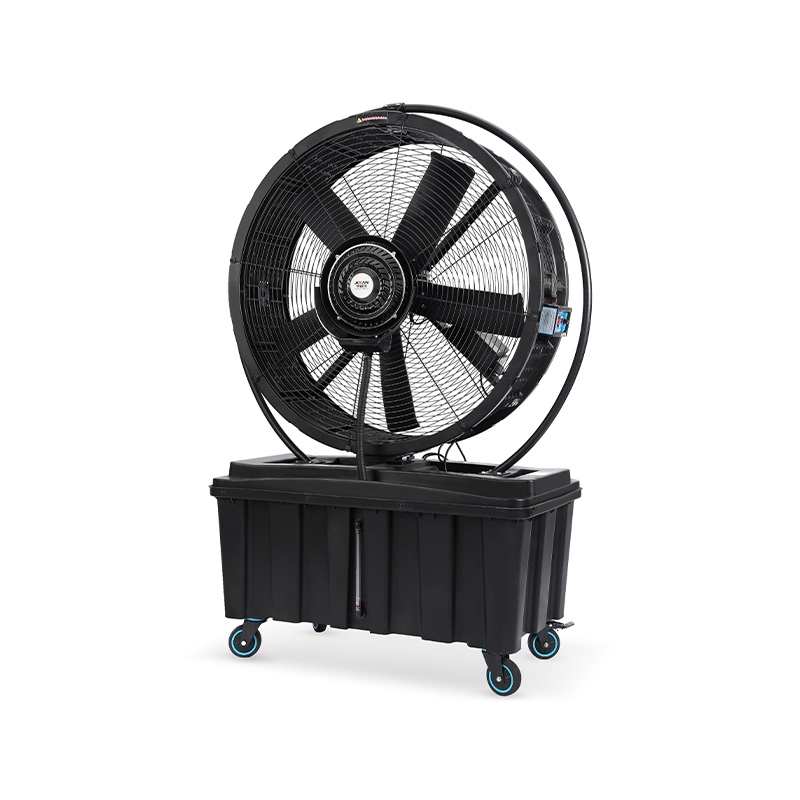
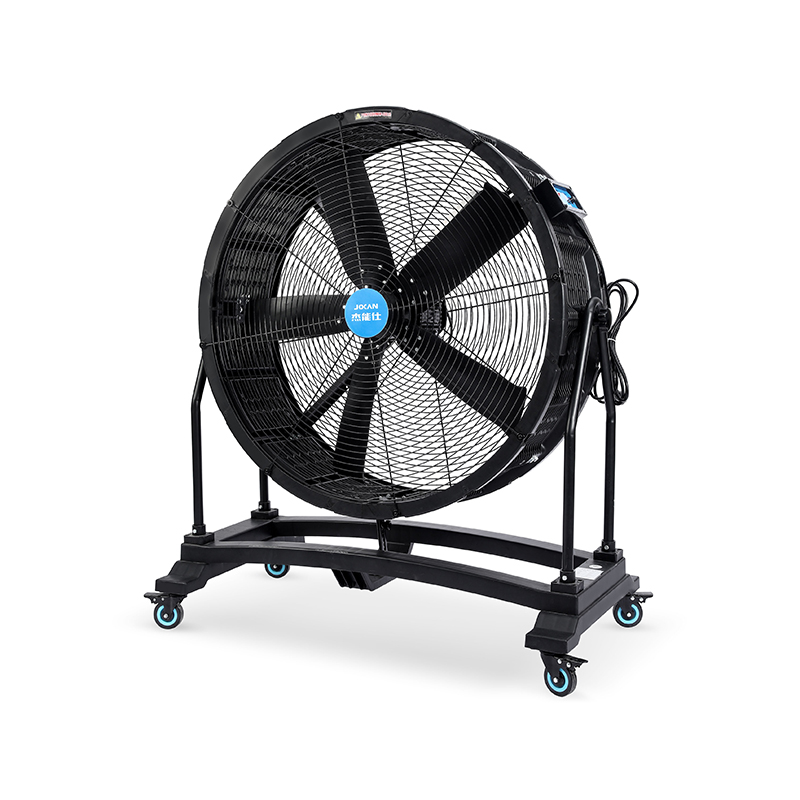
Industrial Wall Mounted Oscillating Fan
The Industrial Wall Mounted Oscillating Fan is a versatile and efficient cooling...
 Add: Plot 23, Huanglang Industrial Zone, Jinqing Town, Luqiao District, Taizhou City, Zhejiang Province
 TEL: +86-13586083215
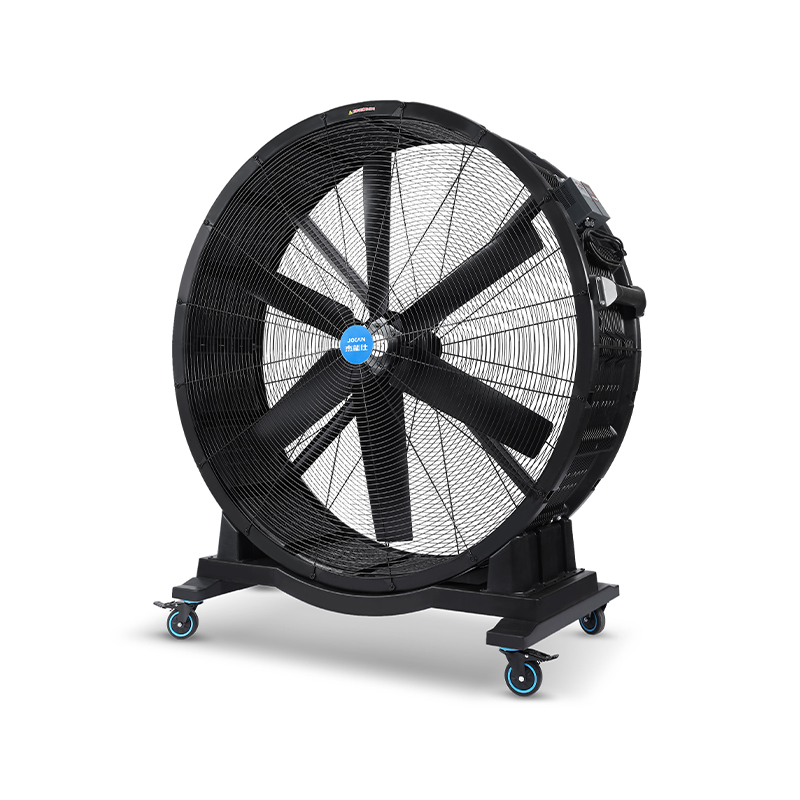
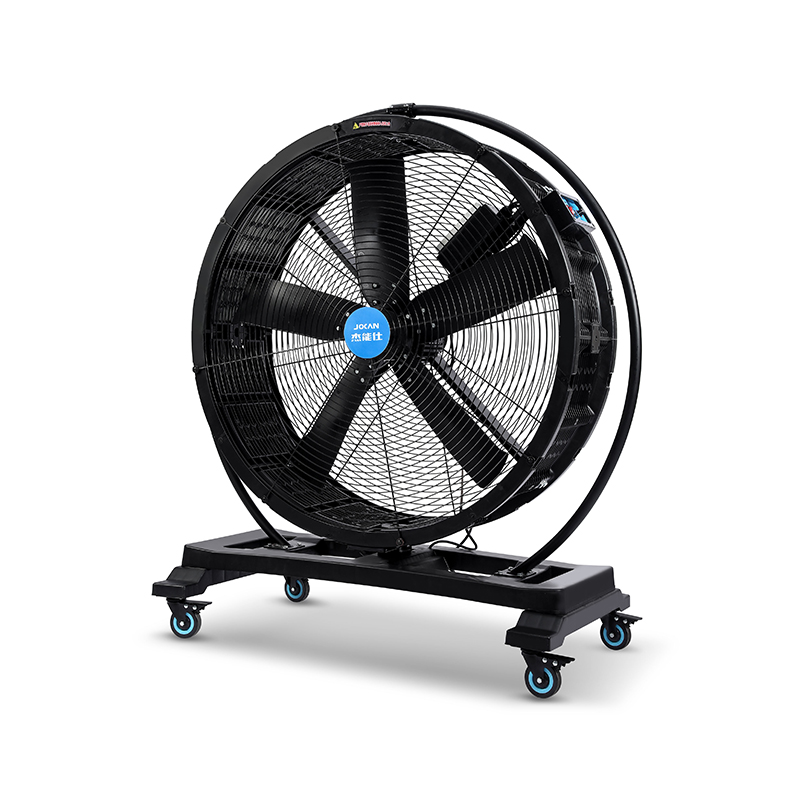
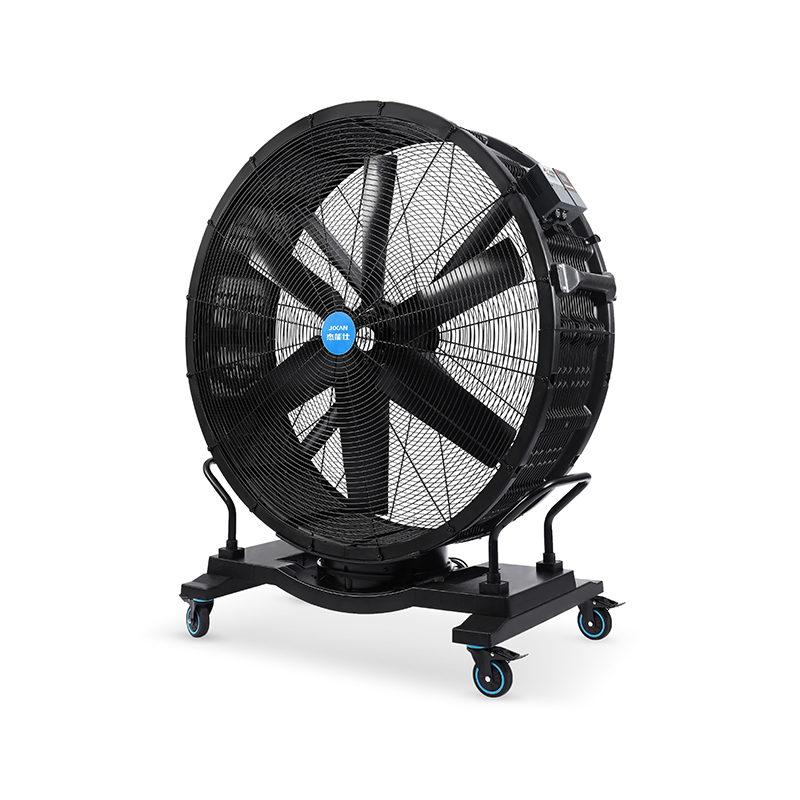
High-humidity environments create noticeable discomfort and practical problems in many types of buildings and spaces. Factories that manufacture fresh air fans and floor fans produce equipment that can assist with air movement and ventilation in these conditions. A fresh air fan factory supplies units designed to bring in outside air, while a floor fan factory provides devices that circulate air effectively within rooms. Together these products support humidity management in locations where moisture tends to stay trapped or build up quickly.
These two spaces regularly experience sudden spikes in humidity from showers, baths, and clothes drying. The air quickly becomes heavy and damp, and without good movement the moisture lingers on walls, mirrors, towels and fixtures. A fresh air fan installed in or near the bathroom can pull drier outdoor air inside when outside humidity is lower than indoors. At the same time, a floor fan placed in the doorway or hallway can keep air flowing through the space after use, helping move the moist air toward an exit point or exhaust. Many people find that running a floor fan on a low-to-medium speed for twenty to forty minutes after showering noticeably reduces condensation on cold surfaces.
Cooking—especially boiling, steaming, frying or baking—releases large amounts of water vapor into the kitchen air. In homes without strong range hoods or in apartments with limited ventilation, this moisture spreads quickly to adjacent rooms. A fresh air fan connected to a window or wall opening can supply cooler, drier outside air during times when outdoor humidity is favorable. Positioning one or two floor fans to create a gentle cross-flow (one pulling air in, another pushing it toward an open door or window) helps move the steam-laden air out of the cooking area more steadily. Users commonly report that this simple combination makes the kitchen feel less sticky and reduces the amount of water that settles on cabinets and countertops.
Basements naturally stay cooler than the rest of the house, which means relative humidity often reads very high even when the absolute moisture content is moderate. Concrete floors and walls also tend to release ground moisture slowly over time. A properly placed fresh air fan can introduce air from outside during periods when the outdoor air is drier than the basement air. Many homeowners run one fresh air fan on a timer during drier parts of the day and use floor fans to keep air circulating continuously on low speed. This combination frequently helps reduce the heavy, damp feeling that is so common in basements.
People who work out indoors generate significant amounts of moisture through heavy breathing and sweating. In small dedicated exercise rooms, finished garages or basement gyms, the humidity can climb rapidly and stay elevated for hours afterward. A fresh air fan that brings in outside air during cooler or drier parts of the day provides noticeable relief. Placing floor fans at opposite ends of the room creates a simple airflow path that moves the warm, moist air away from the exerciser and toward an exit. Users often discover that leaving one floor fan running on low speed for thirty to sixty minutes after a workout makes the space feel significantly more comfortable for the next person who uses it.
These glass-heavy spaces heat up quickly and trap moisture from plants, people and outside air infiltration. When the weather is warm and humid, the combination of solar gain and trapped moisture can make the area feel very uncomfortable. A fresh air fan mounted in a wall or window can supply drier air when outdoor conditions allow it. Floor fans positioned to create circulation along the floor and up toward the ceiling help prevent layers of stagnant humid air from forming. People who use these rooms regularly find that strategic fan placement and timing of fresh air intake make the space usable for longer periods even on muggy days.
In regions that stay humid for months at a time, even normal daily activities (breathing, showering nearby, cooking) can slowly raise indoor humidity. Bedrooms and home offices often feel clammy and uncomfortable by evening. A small fresh air fan used during early morning or late evening hours—when outdoor humidity frequently drops—can refresh the air. One or two quiet floor fans running on low speed keep air gently moving across the room, reducing that persistent damp sensation on bedding, clothes and furniture. Many users report that this straightforward approach noticeably improves sleep comfort and makes the workspace feel fresher during the day.
While not living spaces, these areas can hold very high humidity and contribute moisture to the entire house if air is allowed to stagnate. Installing a fresh air fan to periodically bring in drier outside air, combined with a floor fan (or small circulation fan) to move air through the space, helps prevent the buildup of extreme moisture levels. Homeowners who address crawl space humidity this way often notice less dampness migrating upward into living areas.


 Add: Plot 23, Huanglang Industrial Zone, Jinqing Town, Luqiao District, Taizhou City, Zhejiang Province
 Email: 39489814@qq.com
 Phone: +86-13586083215
Guided by our vision to "become the benchmark industrial fan creator and manufacturer," we have consistently innovated and advanced to establish our current industry leadership position.
Copyright © Taizhou Jiucang Electromechanical Co., Ltd.
All Rights Reserved.

China Large Silent Fans
