
 English
 English
 عربى
عربى 한국어
한국어
Industrial Wall Mounted Oscillating Fan
The Industrial Wall Mounted Oscillating Fan is a versatile and efficient cooling...
 Add: Plot 23, Huanglang Industrial Zone, Jinqing Town, Luqiao District, Taizhou City, Zhejiang Province
 TEL: +86-13586083215
Fluctuating temperatures throughout the year often create challenges for buildings that need steady indoor conditions. Devices such as Air Curtain Machines and a Fresh Air Fan are often considered by facility operators when seasonal shifts bring stronger drafts, varying humidity, or increased outdoor contaminants. These devices help manage airflow at entrances and within indoor spaces, making it easier to maintain workable environments in both warm and cold seasons.
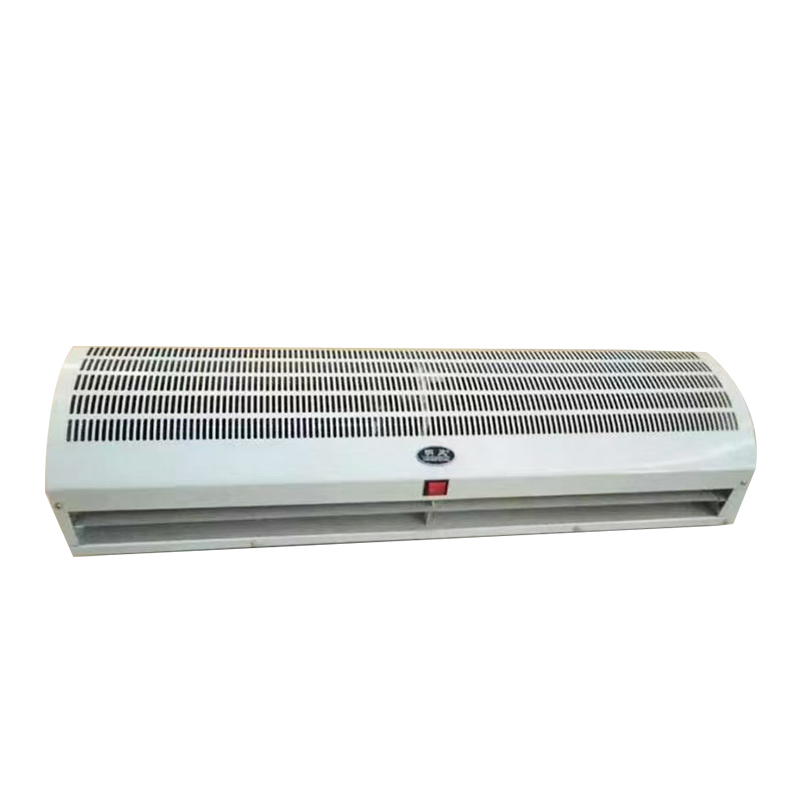
As temperatures rise or fall, the difference between outdoor and indoor climates becomes more noticeable. Each time a door opens, this difference encourages quick air exchange, creating drafts that affect comfort and increase the workload on heating or cooling systems. Air curtain machines help slow down such uncontrolled movement by forming a barrier of directed airflow at the doorway.
During winter, this reduces the intrusion of cold air that often rushes indoors when doors are frequently opened. Staff working near entrances are less exposed to sharp temperature changes, and temperature loss becomes more manageable. During summer, the same principle applies in reverse, as the air curtain helps reduce warm air from entering air-conditioned areas. For buildings with high foot traffic—such as shopping areas, transportation terminals, or delivery zones—this stable control becomes especially relevant when seasonal changes create stronger contrasts between indoor and outdoor air.
Seasonal shifts often affect indoor air freshness more than many operators expect. During colder months, windows and vents are typically closed to retain warmth, which can cause air to become stagnant. A Fresh Air Fan helps introduce outdoor air in a controlled way, supporting ventilation without relying solely on natural airflow.
During warmer months, increased humidity and higher occupancy levels can cause indoor air to feel heavy and poorly circulated. A fresh air fan provides continuous airflow, helping remove stale air and support the building’s ventilation pattern. This becomes useful in offices, workshops, meeting rooms, and production spaces that experience extended occupancy or require stable air exchange to maintain acceptable indoor conditions.
Weather shifts often bring changes in humidity levels, which can influence how indoor spaces feel and function. High humidity during summer may cause discomfort and encourage the accumulation of unwanted odors in enclosed rooms. A fresh air fan helps circulate air so moisture levels become more manageable, reducing the feeling of heaviness that often occurs in tightly sealed environments.
In colder seasons, humidity levels drop, and air becomes dry. This dryness can move quickly through open doorways, creating discomfort or affecting temperature balance. Air curtain machines help steady the airflow at these entrances so the indoor environment does not fluctuate as suddenly. Workplaces that handle temperature-sensitive materials, packaged products, or perishable goods can benefit from this controlled movement as it helps keep ambient conditions consistent even when weather changes rapidly.
Spring and summer often bring increased insect activity, and windy seasons can carry dust and debris into buildings. Doorways are usually the primary entry points for these unwanted elements. Air curtain machines help slow down the entry of small airborne particles and flying insects by projecting a continuous stream of air that makes it harder for them to cross through the doorway.
During autumn and winter, strong winds can carry leaves, cold drafts, and dust that easily enter if left unmanaged. Air curtains continue to support the building by forming a controlled airflow that reduces the spread of outdoor contaminants indoors. This is especially relevant for environments that must maintain cleanliness, such as production rooms, food handling areas, labs, and storage spaces.
Seasonal changes often place heating and cooling systems under varying levels of pressure. When outside temperatures shift quickly, HVAC systems must adjust more frequently to maintain indoor comfort. Air curtain machines help reduce sudden swings in temperature near entry points, which can result in steadier HVAC operation. This becomes particularly useful during transitional months—such as early spring or late autumn—when outdoor temperatures fluctuate throughout the day.
Fresh air fans support energy planning from another angle: by improving air circulation, they help maintain a workable environment without relying solely on heavy cooling or heating. The more stable the airflow inside a building, the less the HVAC system needs to compensate for stagnant or uneven ventilation patterns.


 Add: Plot 23, Huanglang Industrial Zone, Jinqing Town, Luqiao District, Taizhou City, Zhejiang Province
 Email: 39489814@qq.com
 Phone: +86-13586083215
Guided by our vision to "become the benchmark industrial fan creator and manufacturer," we have consistently innovated and advanced to establish our current industry leadership position.
Copyright © Taizhou Jiucang Electromechanical Co., Ltd.
All Rights Reserved.

China Large Silent Fans
