
 English
 English
 عربى
عربى 한국어
한국어
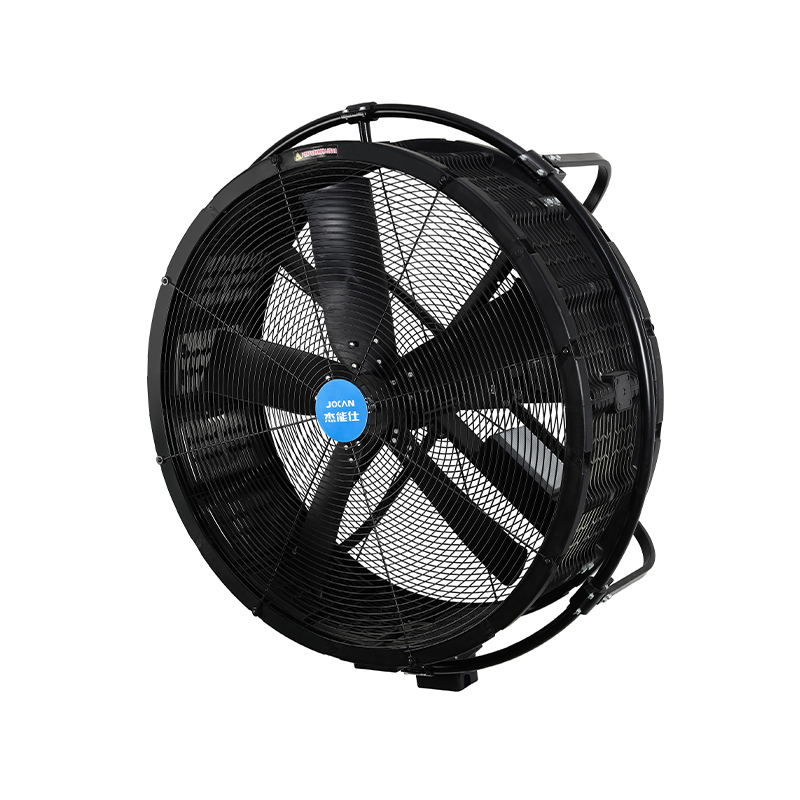
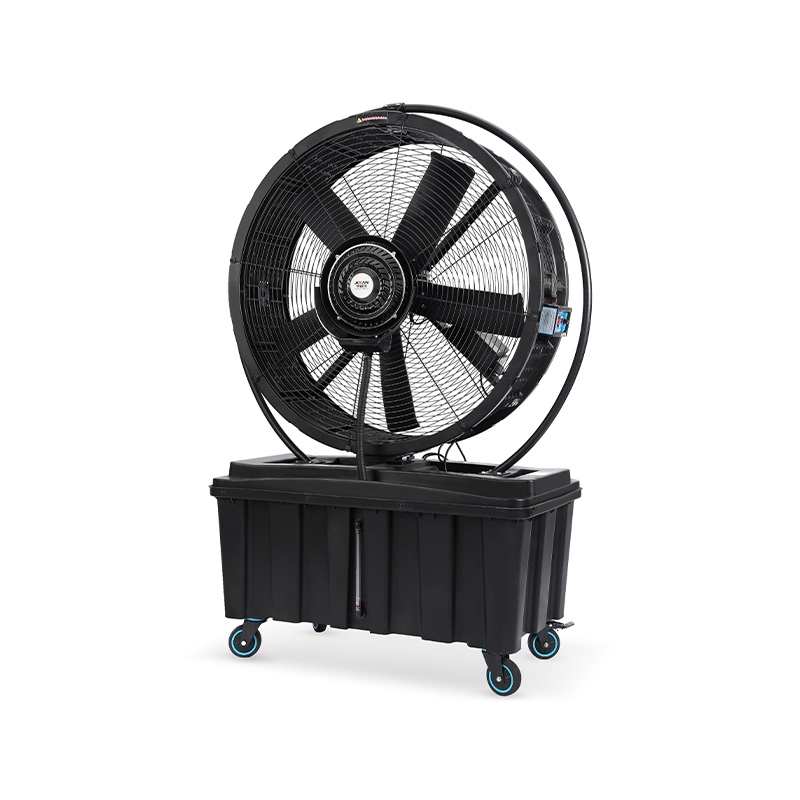
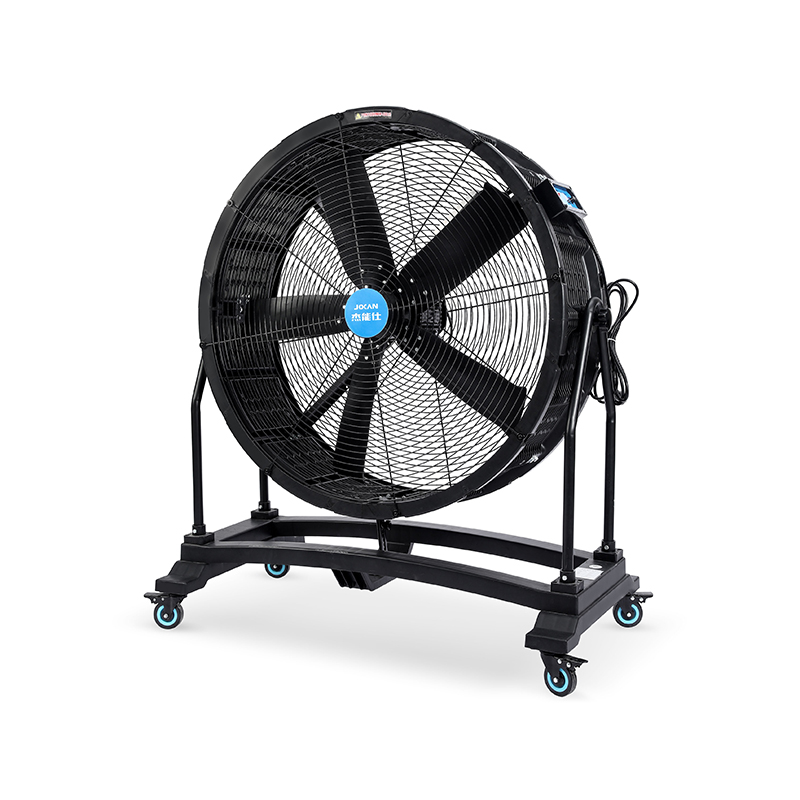
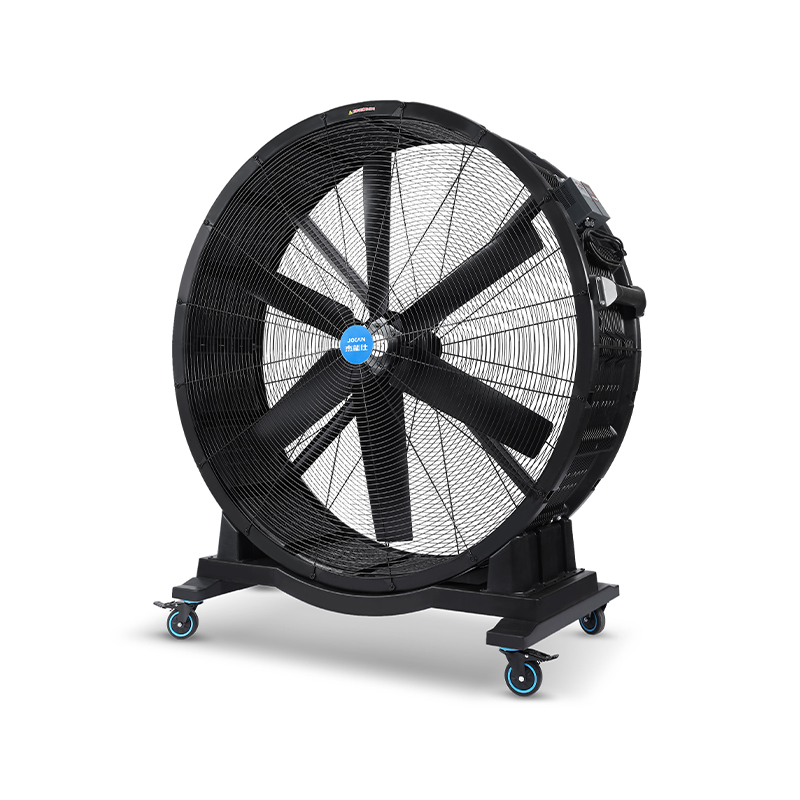
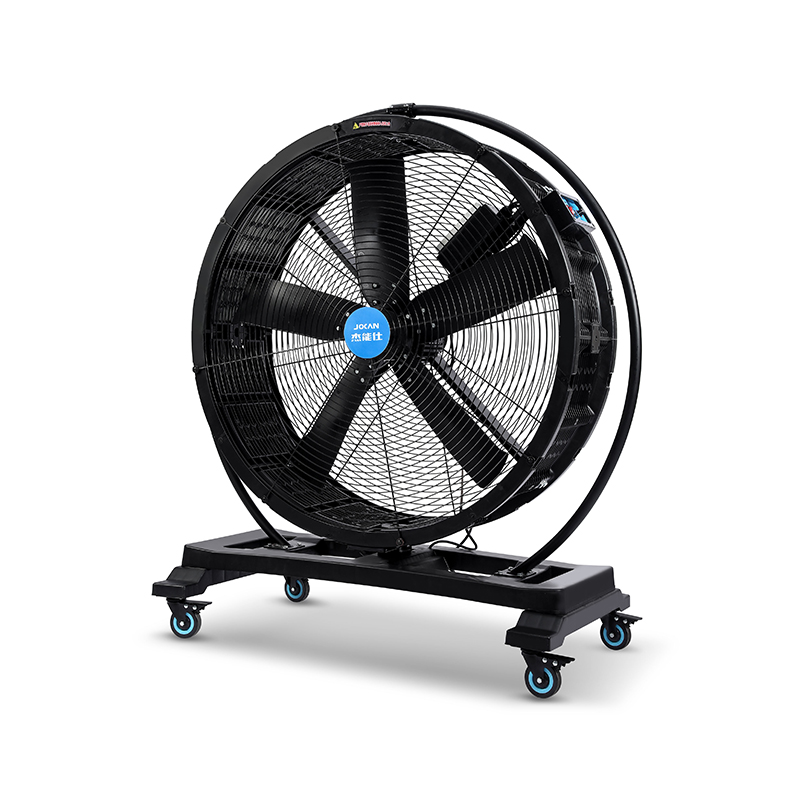
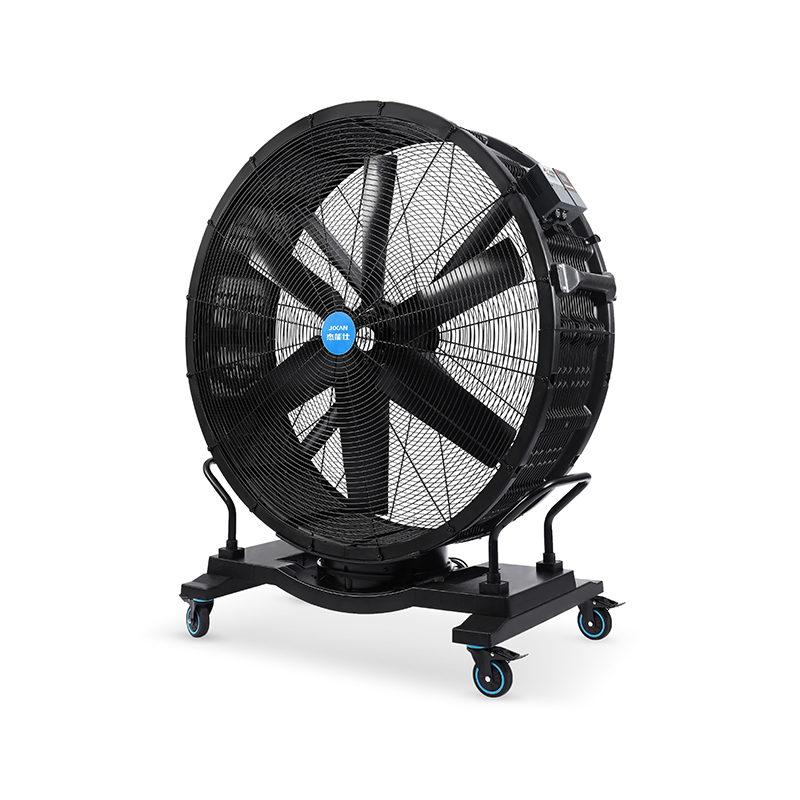
Industrial Wall Mounted Oscillating Fan
The Industrial Wall Mounted Oscillating Fan is a versatile and efficient cooling...
 Add: Plot 23, Huanglang Industrial Zone, Jinqing Town, Luqiao District, Taizhou City, Zhejiang Province
 TEL: +86-13586083215
Many workplaces are searching for practical methods to maintain indoor comfort while controlling energy use, especially in buildings with frequent foot traffic or areas that rely heavily on mechanical ventilation. Devices such as Air Curtain Machines and a Fresh Air Fan are often considered during planning and upgrades, as they help regulate temperature exchange, airflow patterns, and air circulation in ways that support broader energy-saving goals. Understanding when these devices contribute to stable indoor conditions helps users make informed decisions for different types of facilities.
Temperature loss through open doors is a common challenge for commercial buildings. Each time a door opens, conditioned indoor air escapes while outdoor air enters, forcing heating or cooling systems to work harder to maintain steady temperatures. Air curtain machines help slow down this uncontrolled air exchange by forming a steady airflow across the doorway.
This barrier does not close off the passage but acts as a controlled stream of air that helps separate indoor and outdoor environments. For stores, restaurants, warehouses, and office buildings, this becomes useful during peak hours when doors open repeatedly. By keeping temperature fluctuations more manageable, the building’s primary HVAC system experiences fewer sudden load changes. The result is a more stable indoor environment that supports energy-saving goals, particularly during seasons when the heating or cooling system is already operating at high capacity.
Many workplaces operate in areas where airflow is uneven, such as near entrance zones, loading docks, or wide corridors. Drafts during winter or warm airflow during summer can create discomfort for employees stationed near entry points. Air curtain machines help reduce these disruptions by controlling how air moves across the threshold. Instead of allowing a draft to push deep into the building, the air curtain stream directs airflow downward and outward, creating a calmer zone behind the doorway.
In offices, hospitality environments, and checkout areas, this can make a noticeable difference for staff working close to entrances. When employees experience steady temperatures throughout the day, productivity and concentration tend to be less affected by environmental discomfort. Users planning building upgrades often integrate air curtains specifically for these zones where maintaining comfort requires more than standard HVAC equipment.
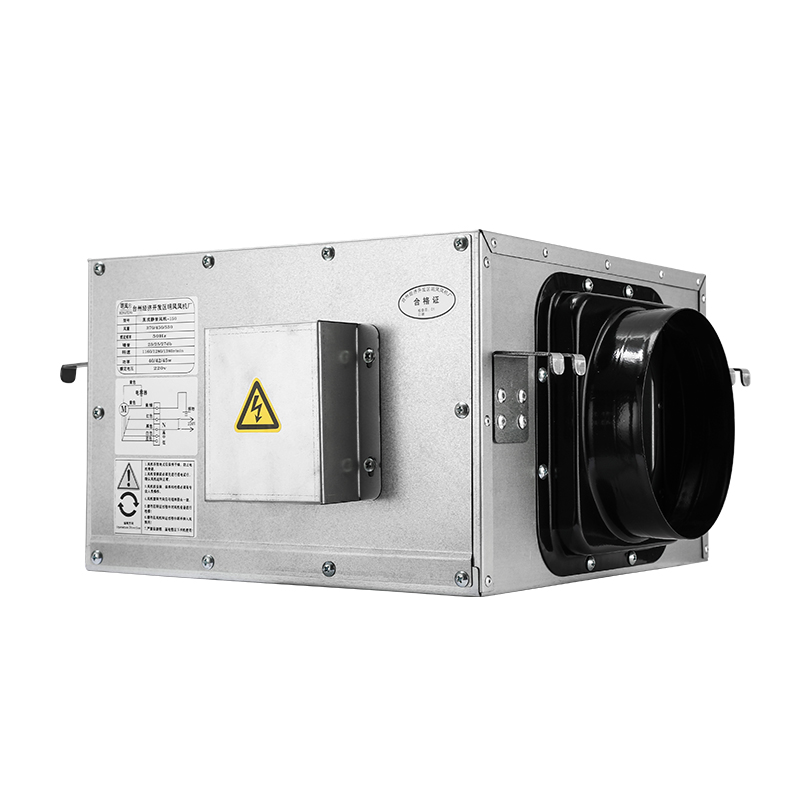
While air curtains focus on doorway control, a Fresh Air Fan addresses internal ventilation needs. Introducing outdoor air into enclosed rooms helps prevent stale indoor air from accumulating and supports compliance with ventilation guidelines, especially in areas involving long occupancy periods.
Proper ventilation can also support energy-saving efforts when integrated thoughtfully. For example, instead of relying heavily on air conditioning to correct indoor temperatures caused by stagnant air, a fresh air fan helps circulate air so that cooling and heating systems run more steadily rather than in frequent bursts. Facilities with workshops, offices, meeting rooms, or staff rest areas often use fresh air fans to maintain air movement without placing unnecessary strain on HVAC equipment.
When planning building improvements, combining doorway airflow control with internal ventilation can create a more balanced system that uses mechanical energy more efficiently throughout the day.
Not every building requires air curtains, so identifying the right conditions is essential for effective use.Cold storage rooms, supermarket entrances, production workshops, laboratories, and hospital corridors often meet these conditions.
Door height, width, and mounting position also influence the machine’s performance. If an air curtain is installed too high or too far from the door edge, its airflow may weaken. When evaluating a location, users should consider door frequency, surrounding airflow, HVAC duct placement, and the purpose of the space.
To maintain energy-saving performance, routine maintenance is an important consideration. Air curtain machines accumulate dust on their intake grilles, motors, and fan blades, which can reduce airflow strength. Regular cleaning keeps the air stream consistent. Checking mounting brackets and airflow angles also helps maintain steady operation over time.
Fresh air fans require similar attention. Filters should be replaced or cleaned based on usage levels, especially in environments with high dust content. Ensuring that the fan blades and motor run smoothly prevents unnecessary power draw. Facilities that schedule periodic inspections often notice fewer interruptions and smoother operation across the ventilation system.


 Add: Plot 23, Huanglang Industrial Zone, Jinqing Town, Luqiao District, Taizhou City, Zhejiang Province
 Email: 39489814@qq.com
 Phone: +86-13586083215
Guided by our vision to "become the benchmark industrial fan creator and manufacturer," we have consistently innovated and advanced to establish our current industry leadership position.
Copyright © Taizhou Jiucang Electromechanical Co., Ltd.
All Rights Reserved.

China Large Silent Fans
